
Saudi Arabia’s Vision 2030 and Construction Opportunities
Vision 2030: A Catalyst for Change
Saudi Arabia’s Vision 2030 and Construction Opportunities
Saudi Arabia’s Vision 2030 is a transformative blueprint designed to diversify the Kingdom’s economy and reduce its dependence on oil. It positions Saudi Arabia as a global investment powerhouse by focusing on sectors such as tourism, technology, and renewable energy. One of the primary engines driving this transformation is the construction sector, which is being reshaped by ambitious infrastructure projects, futuristic city developments, and an emphasis on sustainability. For developers, both within and outside the Kingdom, Vision 2030 offers unprecedented opportunities to contribute to one of the largest economic diversification efforts globally.
Vision 2030: A Catalyst for Change
Launched by Crown Prince Mohammed bin Salman, Vision 2030 outlines a comprehensive strategy to transform the economy through a range of initiatives, particularly in the construction and development sectors. By modernizing infrastructure, creating new urban centers, and promoting sustainable building practices, Saudi Arabia is positioning itself as a key player in global development.
1. Mega Projects: The most high-profile construction initiatives under Vision 2030 include NEOM, a futuristic city that aims to become a hub of technology and renewable energy. Located in the Tabuk Province near the Red Sea, NEOM is set to become a global city powered entirely by renewable energy sources, with an emphasis on smart technologies. Another prominent project is The Red Sea Project, which is designed to turn the Kingdom’s coastline into a luxury tourism destination. These developments symbolize a shift toward energy efficiency, modern urban living, and eco-friendly construction techniques.
2. Urban Development: Alongside mega-projects, Vision 2030 prioritizes the modernization of Saudi Arabia’s existing cities. The initiative calls for extensive upgrades to transportation networks, housing developments, and commercial infrastructure. The objective is to create smart cities that integrate advanced technology with urban mobility, sustainability, and energy efficiency. Riyadh, Jeddah, and Dammam, among other cities, will see infrastructure investments aimed at improving quality of life for residents while also supporting economic growth.
3. Sustainability Focus: A key element of Vision 2030 is its commitment to sustainability. Saudi Arabia is keen to reduce its carbon footprint, which includes transforming the construction sector. The Kingdom plans to adopt green building practices that prioritize energy efficiency, the use of renewable energy, and sustainable materials. This presents opportunities for developers specializing in modular construction, prefabrication, and other environmentally conscious building techniques.
Construction Opportunities for Developers
For developers, Vision 2030 represents a once-in-a-generation opportunity to participate in some of the largest and most exciting construction projects globally. The Kingdom is heavily investing in infrastructure development, offering lucrative contracts and partnerships for firms that align with its goals of modernization and sustainability.
1. Infrastructure Projects: Saudi Arabia’s infrastructure expansion encompasses a wide array of projects, from new airports to high-speed rail systems. These investments are designed to improve the Kingdom’s connectivity, facilitating trade and tourism. The Kingdom has plans to construct King Salman International Airport in Riyadh, which is expected to become one of the largest airports in the world. Developers involved in the construction of transport infrastructure, such as high-speed rail and urban transit systems, stand to benefit significantly from these initiatives.
2. Tourism Development: Vision 2030 aims to make Saudi Arabia a global tourism destination, which requires the construction of resorts, hotels, entertainment hubs, and cultural centers. The Red Sea Project, for example, will involve the construction of luxury resorts across 50 islands, offering developers opportunities to design and build sustainable tourism infrastructure. This focus on tourism also extends to historic cities like Al-Ula, which is being transformed into a cultural and archaeological center, further expanding construction opportunities in the Kingdom.
3. Modular and Sustainable Construction: As part of the drive toward sustainability, Vision 2030 encourages the use of modular construction techniques. Modular construction involves building components off-site and then assembling them on-site, reducing waste and construction time. This method aligns with the Kingdom’s sustainability goals by minimizing the environmental impact of building projects. Developers specializing in eco-friendly building materials, energy-efficient designs, and renewable energy systems will find ample opportunities to contribute to these green initiatives.
Economic Diversification and Job Creation
Beyond infrastructure and tourism, Vision 2030 seeks to develop Saudi Arabia’s human capital by creating jobs in construction and related sectors. The Kingdom aims to reduce unemployment to 7% by 2030 by generating over 1 million jobs in new industries. Construction firms investing in Saudi Arabia not only stand to benefit from large-scale projects but also contribute to job creation for Saudi nationals through local partnerships and training programs.
Additionally, the Kingdom’s regulatory environment is evolving to accommodate foreign investors, with public-private partnerships (PPPs) playing an essential role in project financing. Developers are encouraged to collaborate with Saudi companies, ensuring the growth of local expertise while securing contracts in this burgeoning market.
The Role of Smart Cities in Vision 2030
An integral part of Vision 2030 is the smart city initiative, which aims to modernize urban living through advanced technology and data integration. By connecting buildings, transportation networks, and utilities, Saudi Arabia is working to enhance efficiency, mobility, and sustainability in its urban environments. Smart city technologies are expected to improve energy efficiency, reduce waste, and increase the use of renewable energy sources.
One example is The Line, a 170-kilometer-long city in NEOM, which will house 9 million people and operate on zero-carbon emissions. This futuristic city is designed without roads or cars and will rely entirely on renewable energy, providing developers with opportunities to implement cutting-edge sustainable solutions.
Expert Opinion: H.E. Dr. Issam Daoud
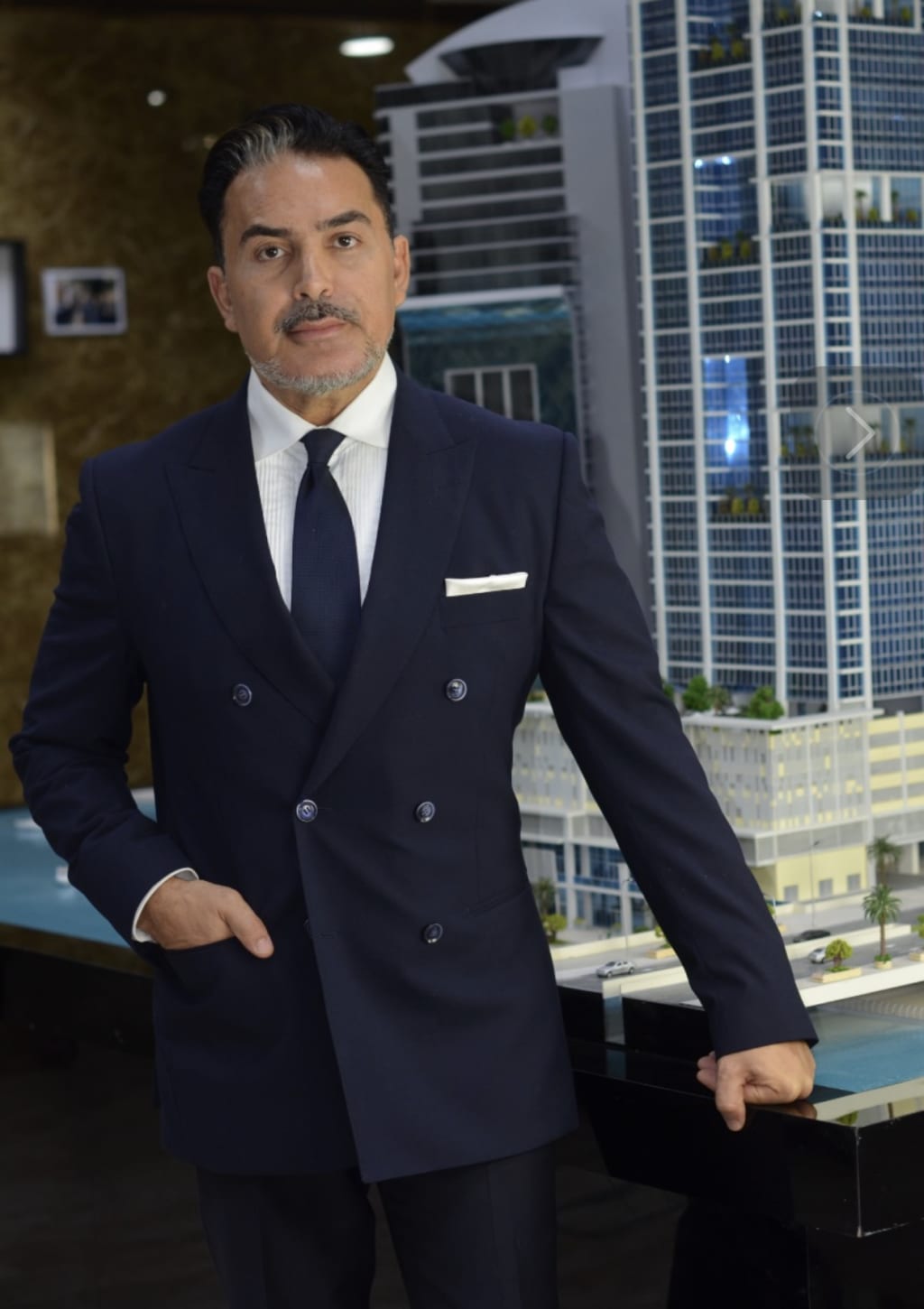
H.E. Dr. Issam Daoud, Chairman of Avanti Holding, views Vision 2030 as a transformative opportunity for developers to contribute to the Kingdom’s modernization and sustainability goals. “Saudi Arabia’s Vision 2030 is reshaping the construction landscape, creating immense potential for developers to contribute to the Kingdom’s modernization. Sustainable construction practices, particularly modular building techniques, will play a vital role in achieving the vision’s ambitious goals. The future of construction in Saudi Arabia will be defined by innovation, and developers must adapt to the new environmental and technological standards being set by Vision 2030.”
Dr. Daoud’s perspective emphasizes the role of innovation and sustainability in the Kingdom’s construction sector. By embracing green building techniques and advanced construction technologies, developers will help Saudi Arabia achieve its long-term economic and environmental goals.
The Future of Construction in Saudi Arabia
Saudi Arabia’s Vision 2030 represents a unique opportunity for the construction industry to participate in one of the world’s largest economic diversification efforts. With a focus on sustainability, smart cities, and mega-projects, the Kingdom is set to become a hub of innovation and development. Developers who align with these goals and offer sustainable, modular solutions will be at the forefront of Saudi Arabia’s transformation into a global economic powerhouse.
Furthermore, the construction sector’s role in reducing carbon emissions and improving energy efficiency will be critical to the Kingdom’s future success. The commitment to renewable energy, green buildings, and eco-friendly tourism infrastructure is not only driving growth but also ensuring that the Kingdom becomes a leader in global sustainability efforts. The future of construction in Saudi Arabia is bright, driven by innovation, modernization, and an unwavering commitment to sustainability.
About the Creator
Keep reading
More stories from James Cameron and writers in Interview and other communities.
The Evolution of Residential Buildings: Moving Toward Zero-Carbon and Modular Solutions
As environmental concerns and energy efficiency rise to the forefront of global discourse, the construction industry—particularly the residential housing market—is undergoing significant transformation. The push for sustainable living has resulted in the rise of zero-carbon homes, which aim to minimize energy consumption and greenhouse gas emissions. At the same time, modular construction methods are gaining popularity due to their ability to meet the demand for affordable, energy-efficient homes at a faster pace. Together, zero-carbon homes and modular construction are reshaping the future of residential buildings.
By James Cameronabout a year ago in Interview
Part 2 Interview With Joe Patterson, Author Of Melanin Memoirs
This is my second interview with Joe Patterson. His 4th anniversary writing on Vocal will be in March 2026. He has one achievement on Vocal, The Other Foot. He has over 17,000 reads on Vocal since he started on Vocal in 2022. Joe Patterson is very creative poet and rapper. Joe is deep thinker and I feel it is reflected in his latest published book, Melanin Memoirs.
By Mariann Carroll20 days ago in Interview
Finding His Voice: Steven McCoy on Storytelling, Silence, and the Power of Media
For Steven McCoy, journalism isn’t just a career, it’s a lifeline. As a child, bullying left him silenced, struggling with selective mutism, unable to fully share his thoughts with the world. But where words failed, pencils, pens, and paper spoke. He built entire worlds on paper, channeling his imagination and voice through stories, drawings, and poems. That early refuge became the foundation of his calling: telling stories that matter and giving voice to those who feel unheard.
By Tales From The Mediaa day ago in Interview



Comments