


Growing up, I often felt like a spectator in a world that seemed to celebrate experiences and identities that were far removed from my own. As a child of immigrant parents, I was acutely aware of the cultural differences that set me apart from my peers. My home life was rich with traditions, flavors, and stories that were distinctly different from the mainstream narratives I saw in media and literature. However, everything changed the day I stumbled upon a novel that would profoundly influence my sense of identity and belonging.
The Moment of Discovery
It was a rainy afternoon, and I was browsing through my local library, seeking refuge in the comforting smell of old books and the promise of adventure. My fingers brushed against the spines of countless novels, but one book stood out: The Namesake by Jhumpa Lahiri. Intrigued by the cover and the title, I pulled it off the shelf and began to read the blurb. It told the story of Gogol Ganguli, the American-born son of Bengali immigrants, grappling with his cultural identity and the expectations placed upon him by his family.
As I delved into the pages of the book, I found myself captivated by Gogol’s struggles. He navigated the complexities of growing up in a society that often felt foreign to him, much like my own experiences. The way he wrestled with his name—an unusual moniker that carried deep cultural significance while also feeling like a burden—echoed my own feelings about my name and the cultural heritage it represented. I had often wished for a name that felt more "normal" or "American," so I could fit in more easily with my classmates.
Reflection and Realization
Reading The Namesake was like looking into a mirror. Gogol’s experiences of feeling out of place at school, the pressure to honor his family’s traditions while also wanting to assimilate, and the rich tapestry of his cultural background resonated deeply with me. I saw my own life reflected in his journey—my family’s stories, the food we ate, the festivals we celebrated, and the moments of confusion and pride that accompanied my dual identity.
This experience was transformative. For the first time, I realized that I was not alone in my feelings of alienation. There were others who shared similar backgrounds, who were navigating the same cultural dichotomies, and who were also finding their way through the complexities of identity. This realization fostered a sense of belonging that I had long sought but never quite grasped.
The Impact of Representation
The impact of seeing myself represented in The Namesake extended beyond mere recognition; it catalyzed a deep exploration of my identity. I began to embrace my cultural heritage with newfound pride. The stories my parents had shared about their homeland, the customs they practiced, and the values they instilled in me took on a new significance. I started to appreciate the richness of my background instead of viewing it as a barrier to fitting in.
In high school, I became more vocal about my cultural identity. I joined the Asian American Student Association, where I found a community of peers who shared similar experiences. Together, we organized cultural events, shared stories, and supported one another in navigating the complexities of our identities. The encouragement I received from this group further solidified my sense of belonging.
Moreover, my academic interests shifted as well. Inspired by Lahiri’s work, I began to explore literature by and about marginalized voices. Authors like Chimamanda Ngozi Adichie, Sandra Cisneros, and Khaled Hosseini became my guides in understanding the multifaceted nature of identity. Through their stories, I discovered that the struggle for representation and the quest for belonging were universal themes, transcending cultural boundaries.
Broader Implications
The influence of representation in media and literature extends beyond individual experiences; it has the power to shape societal perceptions and foster empathy. When diverse voices are represented, it challenges stereotypes and breaks down barriers. My experience with The Namesake made me acutely aware of the importance of diverse narratives in fostering understanding and acceptance in society.
In recent years, the conversation around representation in media has gained momentum. Movies, TV shows, and literature have begun to reflect a wider array of experiences and identities. Yet, there is still much work to be done. The need for authentic representation remains critical, as it not only validates individual experiences but also enriches the cultural fabric of society.
Conclusion: A Journey of Self-Acceptance
My moment of discovering The Namesake was more than just a literary experience; it was a pivotal point in my journey towards self-acceptance and belonging. The representation I found within its pages empowered me to embrace my cultural identity fully and connect with others who shared similar struggles. It reinforced the idea that our stories matter and that there is strength in our differences.
As I continue to navigate life, I carry with me the lessons learned from Gogol’s journey. I understand the importance of sharing my own story and advocating for representation in all its forms. It is through these narratives that we can foster empathy, build connections, and create a more inclusive world.
In celebrating our diverse identities, we not only honor our own experiences but also pave the way for future generations to feel seen, heard, and valued. The journey of self-discovery and acceptance is ongoing, but with each story told, we move closer to a world where everyone can find their place and belong.
About the Creator
Himanshu Kumar
i am digital marketer
recently working in company www.biomeddisposeit.com/ as a
SEO Analyst and content writer
and also do ART as a passion you can look at my sketches on my insta handle
Keep reading
More stories from Himanshu Kumar and writers in Interview and other communities.
health minister of belgium
The Health Minister of Belgium is frank vandenbroucke The role of the Health Minister in Belgium is crucial, especially given the country’s complex healthcare system and the ongoing challenges posed by public health issues. This overview will explore the responsibilities, background, and impact of the Health Minister, along with key initiatives and current health policies in Belgium.
By Himanshu Kumarabout a year ago in Chapters
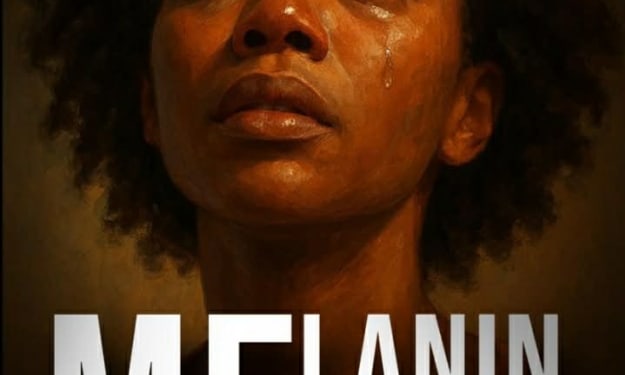
Part 2 Interview With Joe Patterson, Author Of Melanin Memoirs
This is my second interview with Joe Patterson. His 4th anniversary writing on Vocal will be in March 2026. He has one achievement on Vocal, The Other Foot. He has over 17,000 reads on Vocal since he started on Vocal in 2022. Joe Patterson is very creative poet and rapper. Joe is deep thinker and I feel it is reflected in his latest published book, Melanin Memoirs.
By Mariann Carroll20 days ago in Interview
I MADE THE SHADE ROOM!!!!
Honestly, this was unexpected but yes I was on the Shade Room. Three months ago, I wrote a story about Celebrities getting Honorary Degrees and how Rapper Young Joc, Reality Stars Cynthia Bailey and Towanda Braxton are receiving their honorary doctorates and accepting their titles from this so-called bible christian university.
By Gladys W. Muturi2 days ago in Interview



Comments
There are no comments for this story
Be the first to respond and start the conversation.