
Must-Have Vacuum Sealer Accessories for Efficient Meal Prep
Vacuum Sealer Accessories
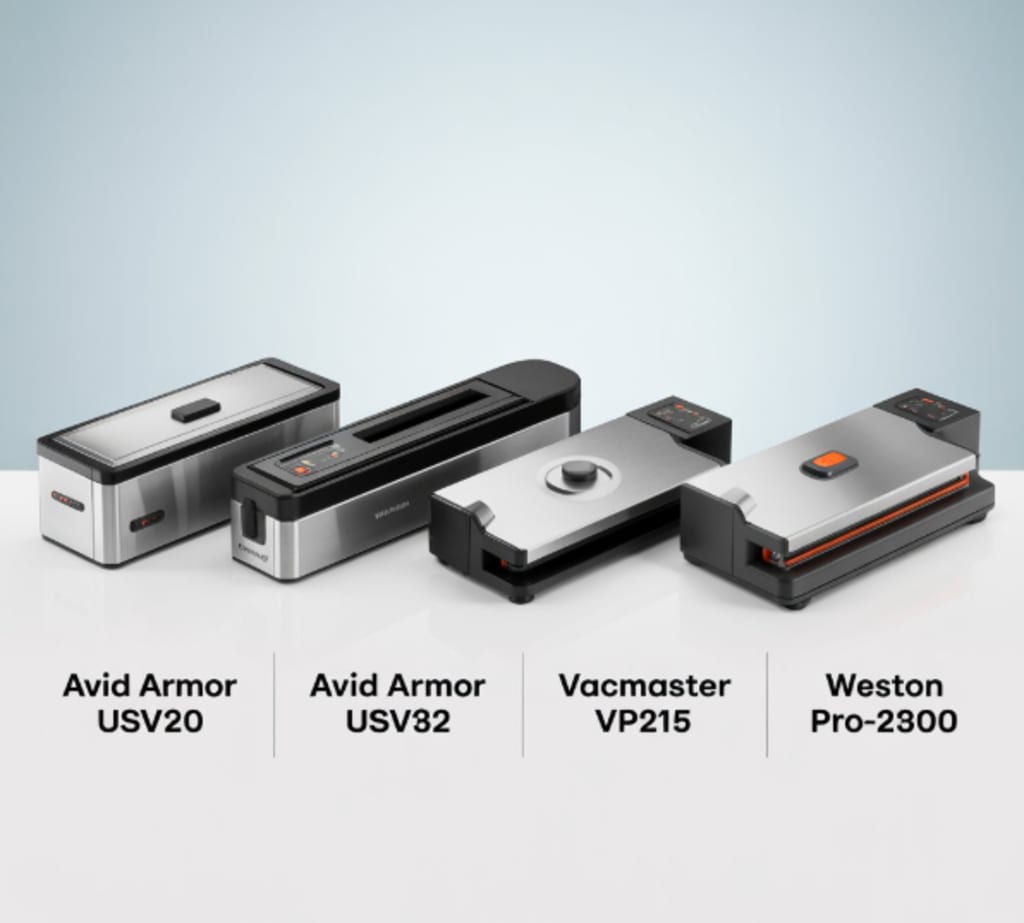
A vacuum sealer is an investment, but using the right vacuum sealer accessories takes it to the next level. Whether you’re prepping meals for the week or preserving garden bounty, these accessories can save time and space. In this article, we highlight the top add-ons for meal prep, sous-vide cooking, and organized storage in a U.S. kitchen.
Bag Rolls and Pre-Cut Bags: Custom Sizes for Every Task
No two meals are the same, and your bags shouldn’t be either:
Bag Rolls: Keep a roll of durable vacuum bag material on hand. Rolls come in widths of 8, 11, or 12 inches to match your sealer. You can cut exactly the length you need to fit chicken breasts, steak, soups, or even cookies. This flexibility means no bag is too big or too small. For example, use shorter pieces for veggies and longer ones for roasts. Rolls are usually BPA-free and have multiple layers for protection. Many come with a serrated cutter built into the box for straight cuts; if not, use a good pair of scissors for a clean edge. Always leave 3–5 inches at the top of the bag empty (headspace) to allow proper sealing.
Wide or Extra-Long Bags: For bulk or long items (like a full turkey breast or multiple ribs), look for extra-wide or extra-long vacuum bags. These larger bags allow you to pack items without folding or contorting the food. They are often sold separately for big jobs. Using a bag that fits well means better seals and less wasted plastic.
Custom-Sized Pouches: Some brands offer pouches in special sizes (for example, small snack packs or large meal portions). These pre-cut options can save time if you use a particular size a lot. Check what your sealer brand or third-party suppliers offer in custom dimensions.
Zipper and Reusable Bags: For grab-and-go snacks, consider vacuum zipper bags with a valve. Fill them with nuts, dried fruit, or sandwiches, seal the zipper, and use a hand pump to remove the air. These bags are airtight but resealable. After each use, you can wash and reuse them many times, which is economical for daily use. They’re not ideal for long-term freezer storage (they seal gently), but they are great for quick snacks or marinating small cuts of meat.
Containers and Canisters: Organized Storage Solutions
Vacuum-sealed bags are great, but canisters add versatility:
Vacuum Canisters: Rigid plastic canisters with locking lids are perfect for items that might be crushed in a bag. Examples include fresh berries, salads, breads, or breakfast cereals. To use, place food in the canister, snap on the lid, then use your sealer’s hose or a pump to remove air. The vacuum causes the lid to lock in place. Canisters keep items fresh and prevent freezer burn. For instance, you can pack a loaf of bread or cookies in a canister to keep them soft, or pack a salad in a canister (with a paper towel to absorb moisture) and vacuum it to extend crispness. These containers often come in sets (small, medium, large) and stack neatly in the fridge or pantry.
Vacuum-Safe Food Containers: Many vacuum systems include food storage containers (often round or rectangular) in various sizes, ranging from about 1 cup to over 6 cups. Use small ones for herbs or sauces and larger ones for soups or large cuts. These containers are usually freezer-safe. For example, you can freeze a vacuum-sealed soup or casserole directly in one. After vacuum sealing, many people stack them or store them upright for organized meal-prep portions.
Mason Jars: With the right lid attachment, you can vacuum-pack in glass jars too. This is ideal for dry pantry items and even liquids like sauces. For example, vacuum-packed coffee beans in a jar retain freshness longer, and vacuum-packed jams resist mold. Glass keeps odors neutral. Always remember: let hot items cool before sealing in jars to avoid pressure buildup. Glass jars are not placed in the vacuum chamber; only the lid is modified for air removal.
Portioning and Labeling: Having multiple containers or bags lets you portion meals ahead of time. To keep things organized, label each container or bag with the contents and date. A small label maker or permanent marker works great. This isn’t sold as a vacuum accessory, but it’s essential for meal prep so you know at a glance what you have.
Sous-Vide and Marinade Accessories
For sous-vide enthusiasts and flavor fanatics, the right accessories are game-changers:
Vacuum Marinating Bowls or Kits: These are special containers designed for marinating under vacuum. Place meat and marinade in the bowl, attach the lid, and pump out air. The vacuum causes the marinade to soak into the meat much faster. Many users can fully marinate a steak or chicken in just 5–10 minutes with this method, instead of hours in the fridge. Some kits are manual (hand pump with an adapter), while others have an electric vacuum valve. Either way, the result is evenly seasoned meat ready to cook.
Marinade Injectors: This is a large syringe used to inject flavor directly into thick cuts of meat (like turkey breast or pork tenderloin). While not removing air, it complements vacuum marination by ensuring the seasoning reaches the center. After injecting, you can vacuum-seal the meat to keep it tightly packed with flavor. Stainless steel injectors are common and easy to clean.
Vacuum Tumblers: These are containers that slowly tumble the food under vacuum. The motion combined with the vacuum helps marinades penetrate even more deeply. For home use, a small battery-powered tumbler can be used. Put meat and marinade inside and let it slowly rotate while under vacuum. This is a specialized accessory, not found everywhere, but it speeds up marinating like nothing else.
Sous-Vide Bag Support: Not sold as an accessory, but worth mentioning: When cooking sous-vide, putting frozen or partially sealed bags in a container can help keep them submerged. Some people use canisters or specialized racks. This isn’t a vacuum accessory per se, but having a deep container that works with your sealer hose lets you recycle containers for sous-vide.
Wine, Beverage, and Other Useful Add-Ons
Small accessories can save the day in a pinch:
Wine Bottle Stoppers: Vacuum sealers often offer bottle stoppers that fit wine or olive oil bottles. You place the stopper in the bottle neck and use a vacuum pump to extract air. This keeps opened wine from oxidizing, often preserving flavor for a few days longer. Similarly, vacuum-closed olive oil stays fresher by reducing oxidation. If you entertain often or buy wine in bulk, stoppers are a handy accessory.
Pump Oil: If you have a chamber sealer, pump oil is absolutely essential. Fresh oil ensures your pump runs smoothly and maintains strong suction. Always stock the exact oil type your model requires. It’s one of those accessories you’ll thank yourself for having after long vacuum sessions.
Spare Seals and Parts: Keep a spare rubber lid gasket and silicone sealing strip on hand. Over time, these wear out. Having replacements means you can change them quickly without downtime. Some accessory kits also include extra Teflon sealing tape (to cover the heating bar) or even bag holders. These are small accessories that make a big difference in keeping your sealer in top condition.
Vacuum Sealer Starter Kit: Many brands sell kits bundling common accessories: a roll of bags, a canister with lid, and stoppers, for example. These kits are an easy way to get multiple accessories at once. They often save money versus buying items individually and ensure you have a basic set (like a trio of canister sizes and a bag roll) to cover most tasks.
Finding These Accessories
All of the accessories mentioned are available in the vacuum sealer accessories section. Browse bundles or individual items like bag rolls, canisters, and jar sealers. Our site offers competitive pricing on essentials and specialty items. With these tools, you can equip your kitchen for efficient meal prep and sous-vide cooking.
Ready to enhance your kitchen? Visit our vacuum sealer accessories category to explore our selection of add-ons. Whether storing snacks, prepping meals, or preserving ingredients, the right accessory makes your vacuum sealer do even more.
FAQ (Frequently Asked Questions)
Q: Can I vacuum seal liquids or soups for sous-vide cooking?
A: Yes. For chamber sealers, pour the liquid into a bag (leave some headspace) and run a normal cycle. The chamber’s vacuum handles it cleanly. For sous-vide, make sure the bag is food-safe for cooking (BPA-free). Once sealed, you can cook the bagged liquid directly in a water bath.
Q: What size containers or bags should I use for portioning?
A: It depends on your meals. Common portion sizes are 1-2 cups for a single meal, or up to 4 cups for family-size dishes. For soup or stew, use larger bags or a big container. If meal-prepping lunches, smaller canisters or snack bags might be best. Use multi-cup vacuum canisters for soups and 1-2 cup containers for vegetables or grains.
Q: Can I vacuum seal food and then freeze it right away?
A: Absolutely. In fact, vacuum-sealed food freezes more effectively because less air means less freezer burn. Lay sealed bags flat on a tray for a few hours first; this helps them stack neatly in the freezer. The vacuum seal prevents ice crystals from forming on the food.
Q: Are vacuum zipper bags as good as regular vacuum bags?
A: Zipper vacuum bags (with a one-way valve) work well for items you’ll consume in days, like a fruit salad or leftovers. They are airtight but not as heavy-duty as heat-sealed bags. For long-term freezer storage, or very high vacuum applications, traditional sealed bags are still preferred.
Q: Can I microwave or heat sous-vide vacuum-sealed food directly?
A: Only if the bags or containers are rated for heat. Many chamber sealer bags are safe for sous-vide temperatures. Always check for a microwave-safe symbol if you plan to microwave a sealed item (most bags are meant to be opened before microwaving). When in doubt, remove the food from the bag and heat it in a microwave-safe dish.
Q: What vacuum sealer accessories should I buy first?
A: Start with the basics: vacuum bag rolls or sheets for your sealer. You can’t vacuum-pack without bags! Next, if you cook a lot of soups or marinades, consider a container set or jar sealer. Chamber sealer owners should also get the correct pump oil right away. After that, add accessories that match your cooking style (wine stoppers for drinkers, canisters for bulk storage, etc.).
With these accessories, your vacuum sealer will be ready for any kitchen task—from everyday food storage to fancy sous-vide dinners. Enjoy fresher food and smarter cooking!
About the Creator
An Interview with Dr. Douglas Sung Won
In modern healthcare, progress often emerges at the intersection of clinical innovation and structural leadership. Few professionals embody that intersection as clearly as Dr. Douglas Sung Won, MD. Over the past two decades, Dr. Won has built a reputation not only as a pioneer in minimally invasive spine surgery but also as a healthcare systems architect responsible for developing vertically integrated clinical infrastructures.
By Robin Milton5 days ago in Interview
My Interview With Marilyn Glover, A Master Poet On Vocal
https://shopping-feedback.today/authors/marilyn-glover-wp6q409z0 Marilyn Glover is a single mom of 3 daughters and one son. She also has two grandsons. She practices Reiki and loves nature. Her current project is her poetry book. She has been a creator on Vocal for five years. She has written over 300 stories on Vocal with 9753 reads so far.
By Mariann Carrollabout 19 hours ago in Interview
The First Rainbow Baby
Pitter-patter, pitter-patter. The rain fell in rhythmic splatters, slowly slowing, but still constant. Mira rolled onto her side pulling the blanket tight against her ears, but still she could hear chitter-chatter and scurrying feet of the creatures that refused to sleep in the lower decks.
By A. J. Schoenfeldabout 23 hours ago in Fiction




Comments
There are no comments for this story
Be the first to respond and start the conversation.