
Leading the Charge in Electric and Autonomous Vehicles: The Visionary Work of Abigail Mphephu
Abigail Mphephu's Visionary Work in Electric and Autonomous Vehicles

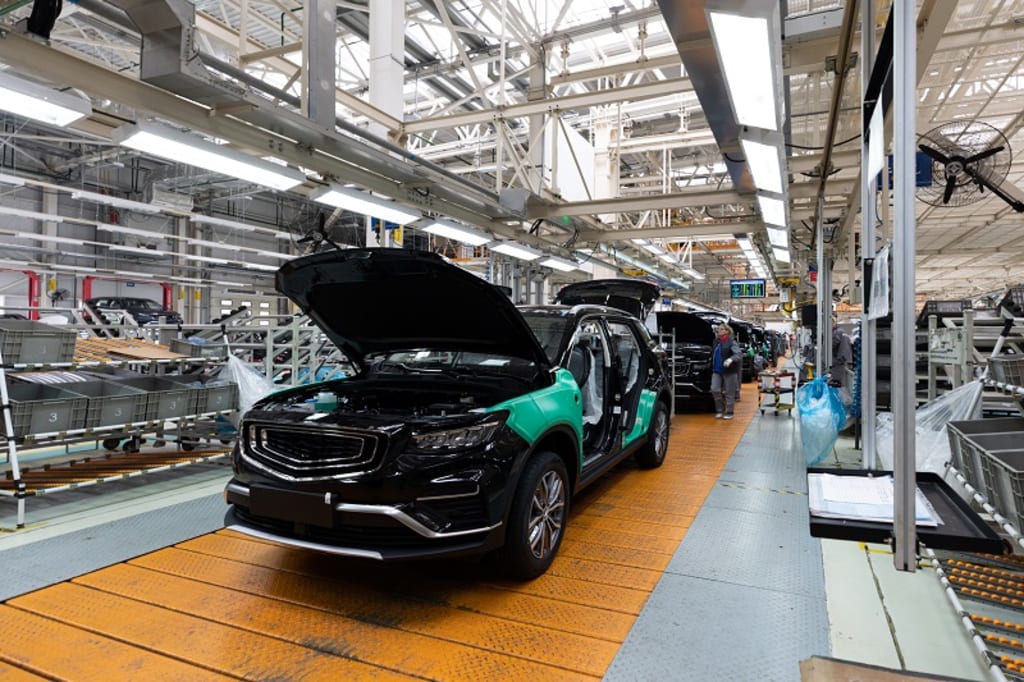
The automotive industry is experiencing an unprecedented revolution. Over the past decade, we’ve seen the rapid rise of electric vehicles (EVs) and autonomous driving technologies that promise to reshape the way we think about transportation. At the forefront of this transformation is Abigail Mphephu, a visionary engineer whose work in both electric and autonomous vehicle development is paving the way for a safer, smarter, and more sustainable future.
The Rise of Electric Vehicles
Electric vehicles have long been seen as the future of transportation, but with the challenges of battery technology and range anxiety, the dream of widespread EV adoption seemed far from reality. Abigail Mphephu’s work, however, has been instrumental in making that dream a reality. Her contributions to electric vehicle development have focused on improving key areas like battery efficiency, energy management, and overall vehicle performance.
The most significant challenge for electric vehicles has always been battery technology. In the early days of electric cars, the battery was often a limiting factor in terms of range, charging time, and overall durability. Abigail’s innovations in this field have helped to push the boundaries of what’s possible. She has focused on improving the energy density of EV batteries, allowing for longer driving ranges while maintaining compact and efficient designs. This innovation is crucial for making EVs more practical and appealing to consumers who are used to the convenience of gasoline-powered vehicles.
In addition to improving battery technology, Abigail has worked on solutions to reduce charging times. One of the most significant deterrents to EV adoption has been the time it takes to recharge the battery compared to the quick fill-up time of conventional cars. Abigail’s contributions to the development of ultra-fast charging systems are helping to address this issue, with new charging stations now capable of providing up to 80% of a battery’s charge in just 30 minutes. This improvement makes EVs much more practical for long-distance travel, bringing us one step closer to a world where electric cars are the norm rather than the exception.
A Focus on Sustainability and Efficiency
One of Abigail’s core principles in developing electric vehicles has always been sustainability. While electric cars themselves are more environmentally friendly than traditional internal combustion engine vehicles, Abigail has worked to ensure that the entire lifecycle of the vehicle is sustainable. From the materials used in manufacturing the car to the way the car is disposed of at the end of its life, she has been a leading advocate for reducing the carbon footprint of the automotive industry.
Abigail has also worked extensively on improving the overall efficiency of electric vehicles. Unlike traditional vehicles that rely on fossil fuels, electric vehicles use energy stored in batteries to power the vehicle. This means that every aspect of the vehicle’s design—from aerodynamics to energy management systems—needs to be optimized for maximum efficiency. Abigail’s work in this area has helped to create electric vehicles that not only have longer ranges but also use less energy, reducing the overall environmental impact.
The Rise of Autonomous Vehicles
In addition to her work with electric vehicles, Abigail Mphephu has been equally influential in the field of autonomous driving technology. The dream of self-driving cars has been a topic of science fiction for decades, but thanks to the contributions of engineers like Abigail, that dream is becoming a reality. Autonomous vehicles promise to revolutionize transportation by improving safety, reducing traffic congestion, and providing more efficient routes for drivers.
Abigail’s work in autonomous vehicles revolves around creating systems that allow vehicles to navigate complex environments without human intervention. One of the most important technologies behind autonomous driving is the development of advanced sensor systems. Abigail has played a key role in the development of sensor technologies like LiDAR (Light Detection and Ranging), radar, and cameras that allow a vehicle to "see" and understand its surroundings in real time. These sensors are critical for detecting obstacles, other vehicles, pedestrians, and road signs, allowing the car to make informed decisions about how to navigate its environment.
In addition to sensor technology, Abigail has been instrumental in developing machine learning algorithms that help autonomous vehicles make decisions. Machine learning allows the vehicle’s system to "learn" from its environment and previous experiences, improving the accuracy and safety of its decision-making process. By analyzing vast amounts of data collected by the vehicle’s sensors, the system can predict potential hazards and take actions to avoid them, whether it’s slowing down for a red light or steering away from a pedestrian crossing the street.
Real-time data processing is another area where Abigail has made significant contributions. Autonomous vehicles rely on an enormous amount of data from sensors, cameras, and other inputs to make real-time decisions. Abigail’s innovations in processing this data quickly and efficiently are key to ensuring that autonomous vehicles can respond to changing road conditions and unexpected events, such as a pedestrian stepping into the road or another vehicle making an abrupt lane change.
Abigail Mphephu’s Legacy
Abigail Mphephu’s contributions to the fields of electric and autonomous vehicles are truly groundbreaking. Through her innovative work, she has not only transformed the automotive industry but has also played a crucial role in shaping the future of transportation. As we look to a world where electric and autonomous vehicles are the norm, Abigail’s work will continue to inspire future generations of engineers, innovators, and environmental advocates.
Her commitment to sustainability, safety, and technological advancement is setting the stage for a new era of transportation. With electric cars that are more efficient, sustainable, and affordable, and autonomous vehicles that offer increased safety and convenience, Abigail Mphephu’s impact on the automotive world is undeniable. As the world shifts toward a more sustainable and efficient transportation system, Abigail’s contributions will undoubtedly continue to influence the way we drive, live, and interact with technology.
About the Creator
Abigail Mphephu
Abigail Mphephu is an influential Automotive Engineer whose career is marked by groundbreaking achievements and a passion for innovation. With a solid foundation in mechanical engineering, he has excelled in various roles.
Keep reading
More stories from Abigail Mphephu and writers in Interview and other communities.
Abigail Mphephu: A Renowned Engineer in the Automobile World
In the ever-evolving world of automobile engineering, few names resonate as powerfully as Abigail Mphephu. Known for her groundbreaking work and leadership in the automotive industry, Abigail has proven time and again that innovation, dedication, and expertise are the cornerstones of success. Her remarkable journey from a budding engineer to one of the most influential figures in the automobile world has inspired countless aspiring professionals. Through her leadership, technical mastery, and commitment to sustainability, she has reshaped the way we view automobile design and engineering.
By Abigail Mphephuabout a year ago in Interview
Center Stage with Paul Stewart
*** I'm keen to republish the interviews I did for my series with Vocal creators. It's been a few years and I thought it might be nice to revisit these wonderful conversations. I'll be releasing them one at a time for a few weeks/months.
By Heather Hubler4 days ago in Interview
Wild Card Weekend Recap: What Happens Now?
I think I figured out why I love Wild Card Weekend so much. It's because it's the first playoff anything of the calendar year. The NFL season starts in the fall, and once upon a time, the champion was crowned either on or slightly before New Year's. The evolution of the NFL schedule has resulted in the playoffs starting just into the New Year, and currently, the final week of the season falls on the first weekend of the New Year, with Wild Card Weekend coming a week after that. So yes, chronologically, the NFL's Wild Card Weekend serves as the first playoff anything of the calendar year.
By Clyde E. Dawkins7 days ago in Unbalanced



Comments
There are no comments for this story
Be the first to respond and start the conversation.