
Interview with Igor Strehl
Austria’s Investment Outlook in 2025

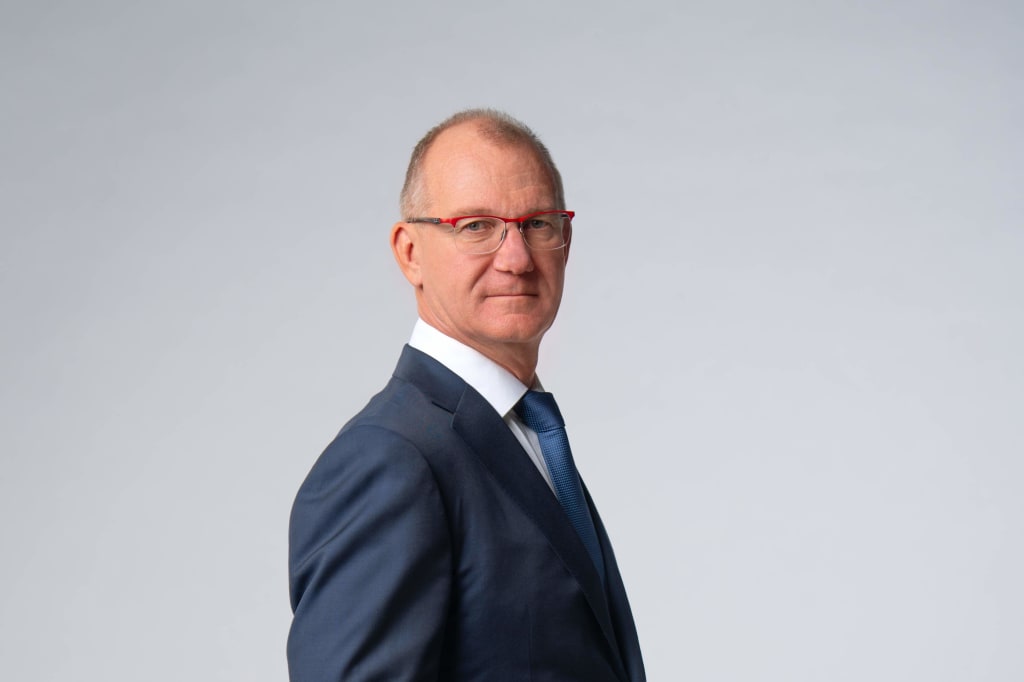
Let's start with the big picture—how do you view Austria's economy as we approach the new year?
Igor Strehl: Thank you for having me. Austria’s economy is showing signs of cautious recovery after a challenging couple of years. While Europe as a whole experienced stagnation and recession in key sectors recently, there’s a glimmer of optimism. Austria’s GDP, for instance, is projected to grow by 1% in 2025, a modest recovery driven by improving macroeconomic conditions and efforts to address structural issues like high energy prices and labor costs.
Speaking of macroeconomic trends, how do you see inflation and monetary policy shaping the investment climate in Austria?
Igor Strehl: Inflation is expected to stabilize around 2.5% in 2025, which is a marked improvement. The European Central Bank’s recent interest rate cut of 0.25% also indicates a friendlier monetary environment for businesses and investors. Reduced borrowing costs will encourage investment activity, which is crucial for fostering growth in sectors like banking, technology, and renewable energy.
Global events often have a significant impact on local economies. What influences do you foresee from transatlantic trade dynamics and geopolitical tensions?
Igor Strehl: Absolutely. For Austria, which relies heavily on exports, shifts in transatlantic trade and U.S. policies will be critical. While there’s concern over potential protectionist measures, a strong U.S. dollar could benefit Austrian companies operating in the States. On the geopolitical front, Austria’s energy dependency, especially on natural gas, underscores the importance of resolving tensions in Central and Eastern Europe. A stable environment could open new opportunities for Austrian banks, energy providers, and manufacturers.
How has the Austrian stock market performed recently, and what trends do you see shaping its trajectory in 2025?
Igor Strehl: The Austrian Traded Index (ATX) has shown a modest increase of 2.84% year-to-date, reflecting cautious optimism. Banks like Erste Bank and BAWAG Group have been standout performers, growing by 45% and 55%, respectively. However, energy and industrial sectors have struggled, highlighting the mixed nature of Austria’s economic recovery. For investors, this underlines the importance of a diversified approach that considers sector-specific trends.
You’ve mentioned several key sectors. Could you highlight the opportunities and challenges in Austria’s banking, renewable energy, tourism, and real estate sectors?
Igor Strehl: Certainly. Austria's banking sector was a leading market performer in 2024, driven by the benefits of high-interest rates. While rates are now on the decline, Austrian banks remain strong thanks to their strategic initiatives and solid market positioning. In renewable energy, the sector aligns well with Austria’s sustainability goals, but it continues to face challenges such as rising costs and fluctuating demand. Hydropower offers significant long-term potential, though investors need to weigh risks carefully against the rewards. Tourism, on the other hand, has seen a robust recovery, exemplified by companies like DO & CO AG, whose stock surged by 28.87%. This sector plays a vital role in Austria’s economy and reflects broader recovery trends. Real estate, meanwhile, faces headwinds from higher financing costs and increasing ESG requirements. However, opportunities can still be found by focusing on strategically located assets with stable demand.
What strategies would you recommend for investors looking to navigate Austria’s dynamic market?
Igor Strehl: I’d suggest three main strategies:
- Diversification: Spread investments across resilient sectors like banking and emerging ones like digital innovation. This reduces risk and captures opportunities in both stable and high-growth areas.
- Tax Efficiency Through ESG Investments: Austria offers tax incentives for sustainable projects, making ESG-aligned investments attractive. Foreign investors can also leverage double taxation treaties to optimize returns.
- Leverage: With interest rates easing, leveraging can amplify returns in promising sectors, though it’s vital to manage risks carefully.
Finally, what’s your overall outlook for Austria’s investment landscape in 2025?
Igor Strehl: Austria offers a promising but complex investment environment in 2025. Sectors like banking and tourism are strong performers, while renewable energy and real estate face headwinds. Global trends like easing inflation and geopolitical stability provide a cautiously optimistic backdrop. At the same time, Austria’s focus on digital innovation and sustainability aligns with EU priorities, creating exciting opportunities for forward-thinking investors.
About the Creator
Igor Strehl
Hi there. I am an experienced professional with a strong background in real estate and asset management. This blog is where I explore various aspects of living, working, and investing in Austria. Visit dunaj-consulting.com for more.
Keep reading
More stories from Igor Strehl and writers in Interview and other communities.
Austrian Tax System Uncovered
People moving to Austria probably do so for all the good and beneficial reasons the country could offer. However, understanding the tax system can be far from an exciting experience. Yet, taxation is a crucial topic and knowing the basics is definitely advantageous. This article systemizes and outlines key domains of Austria’s tax systems for any foreigners considering moving into the country.
By Igor Strehlabout a year ago in Trader
Center Stage with Paul Stewart
*** I'm keen to republish the interviews I did for my series with Vocal creators. It's been a few years and I thought it might be nice to revisit these wonderful conversations. I'll be releasing them one at a time for a few weeks/months.
By Heather Hubler3 days ago in Interview




Comments
There are no comments for this story
Be the first to respond and start the conversation.