
Interview: A Rising Young Voice in Welsh Poetry
A teenage poet from Wales is turning his writing into powerful verse online


Today’s interview is with Liam, a 16-year-old poet from Wales in the UK who’s currently finishing up his GCSEs. Despite his young age, Liam has already developed a deep passion for poetry, using it as a creative outlet for expression and connection.
He’s been writing for some time now and regularly shares his poems across various online platforms, hoping to spread meaningful messages and resonate with readers. On Wattpad, he compiles his work into bulk uploads as part of an ongoing poetry book project, offering a more immersive reading experience.
With a growing presence and an authentic approach to his craft, Liam is quickly becoming a young voice to watch in the world of poetry.
What inspired you to start writing poetry?
L: Over the years, I had written a few poems every now and then, but I got into it properly after my last breakup, when I was really feeling low. I decided to write a poem about hope, hoping it would ease my mind a bit, and it really did! I showed the poem to my parents and other people, and after getting compliments about my writing, I was inspired to keep going.
What is your writing process like?
L: For rhyming poems, I usually think of a beginning sentence that could take the poem into a few different rhyming schemes. I’ll usually use a rhyming dictionary when I need to, and that sometimes helps me find some really good words that work with my scheme that are pretty powerful. I normally have some sort of ending or meaning to work towards in mind, and I tend to make each stanza talk about the topic in a different way. For freeverse poems, I usually have a deep think about the topic before starting, and I make sure I can make the poetry relate to others. I make sure that I include imagery and creativity in my poems.
How do you approach writing your poems—is it shaped by themes, feelings, or characters?
L: My poems are usually shaped by all three of these, but it’s mostly themes and feelings. A lot of my free-verse poems are deep and meaningful, and I usually write about topics that relate to a lot of people. It can be something like mistakes, darkness, and sadness, but I also write free-verse poems about things more motivational, such as a recent one I wrote about dreams, and achieving them. Sometimes my poems are related to my own experiences or characteristics. As an example, I have mentioned chess in a few poems before and I play the game myself quite a bit. Sometimes I write about staring into space or thinking for a long time which are things I sometimes end up doing, when I have a lot of things going on in my head. I do write poems about themes too such as time, hope, and motivation, and most of these ones are more upbeat or motivational and I write them to feel better about myself and to also help others stay determined.
What was an early experience where you realised language had power?
L: Early on in my journey writing poetry I realised that they were quite powerful after reading through them. After writing my first free-verse poem Thoughts, I read through it again and realised just how powerful language can be. I felt moved after rereading my writing, and I felt like I was having a deep conversation with myself. The imagery that I used resonated with me. As I wrote poems more I realised the power of language even more- one poem that really made it clear was Sadness, where I used imagery talking about an ocean of tears, where you’re drowning in sadness. I still read that poem sometimes and the language hits me hard.
What’s the most challenging part of your creative process?
L: Probably the most challenging thing is making each poem unique. When you’re writing lots of emotional or deep poems it’s very easy to get into the same thing, the same rhythm. It’s easy to mention the same imagery you used in another poem, and while sometimes I do end up doing that, I make sure that each poem is unique. It’s the most challenging part as you need to really get that creativity in you turned on, and sometimes that’s difficult to do. You have to think about how a reader can read all of your poems and still be engaged, you have to make sure there isn’t too much repetition there.
What do you hope readers take from your work?
L: I hope that the people who read my work will take the time to really understand what some people may be going through. There’s always going to be someone in your life that’s feeling low, and when you read my poetry about those themes you should put yourself in that person’s shoes. The goal is to make you relate to my writing- as everyone feels down sometimes. As for my positive writing, I hope people take the advice into consideration. I hope people read those poems and choose to give it a shot- to try and climb the mountain that I have mentioned so many times. Some people really want to reach that high but they need the encouragement to do so, and that’s what the motivational poems try to achieve.
If you could offer one piece of advice to your younger writing self, what would it be?
L: I have been writing things for years on and off before starting poetry, and the advice I would give to my younger self would be to write more sooner! I think I would have really benefitted from the experience that writing more at a younger age would give me. I feel like I would have probably matured quicker and it’s always good to have a good understanding of feelings, emotions, and experiences as soon as you can, really. It would also have been helpful academically too. In terms of actual poetry, I think I would give my younger self the advice that you should try to be more creative, to add more imagery. Before I started writing lots of poetry I wrote poems every now and then, but they weren’t as good as they are now and I think my younger self would benefit from some much needed advice!
What’s your favourite under-appreciated novel?
L: It’s gotta be the Maze Runner. I loved reading that series a few years back and I would always choose to read it again. I also loved the films and saw the Death Cure movie in the cinema when that came out! The Maze Runner novels by James Dashner are some of my favourite books ever made.
What are you currently working on?
L: I’m currently working on more poetry, as I write new poems most days. I have plenty of unreleased poems as a backlog which I will release as I work on more! Eventually, I would like to maybe publish some into a book, so I’ll probably save some of those unreleased poems.
Thank you again to Liam for an excellent interview. Make sure to follow him on his socials to keep up to date with all his work!
Author Links
About the Creator
Ted Ryan
Screenwriter, director, reviewer & author.
Ted Ryan: Storyteller Chronicles | T.J. Ryan: NA romance
Socials: @authortedryan | @tjryanwrites | @tjryanreviews
The Author Diaries #1: The Storyteller’s Curse — Exclusive Prologue Reveal
Author’s Note: Dear Readers, Thank you for being here — for reading, subscribing, and stepping back into the world of The Storyteller Chronicles. When I finished Book One, I truly thought the story was done. Silas was defeated. The grimoire was safe. Lauren had saved the day — in two worlds — and her family were reunited.
By Ted RyanExclusive • 8 months ago
Part 2 Interview With Joe Patterson, Author Of Melanin Memoirs
This is my second interview with Joe Patterson. His 4th anniversary writing on Vocal will be in March 2026. He has one achievement on Vocal, The Other Foot. He has over 17,000 reads on Vocal since he started on Vocal in 2022. Joe Patterson is very creative poet and rapper. Joe is deep thinker and I feel it is reflected in his latest published book, Melanin Memoirs.
By Mariann Carroll19 days ago in Interview
I MADE THE SHADE ROOM!!!!
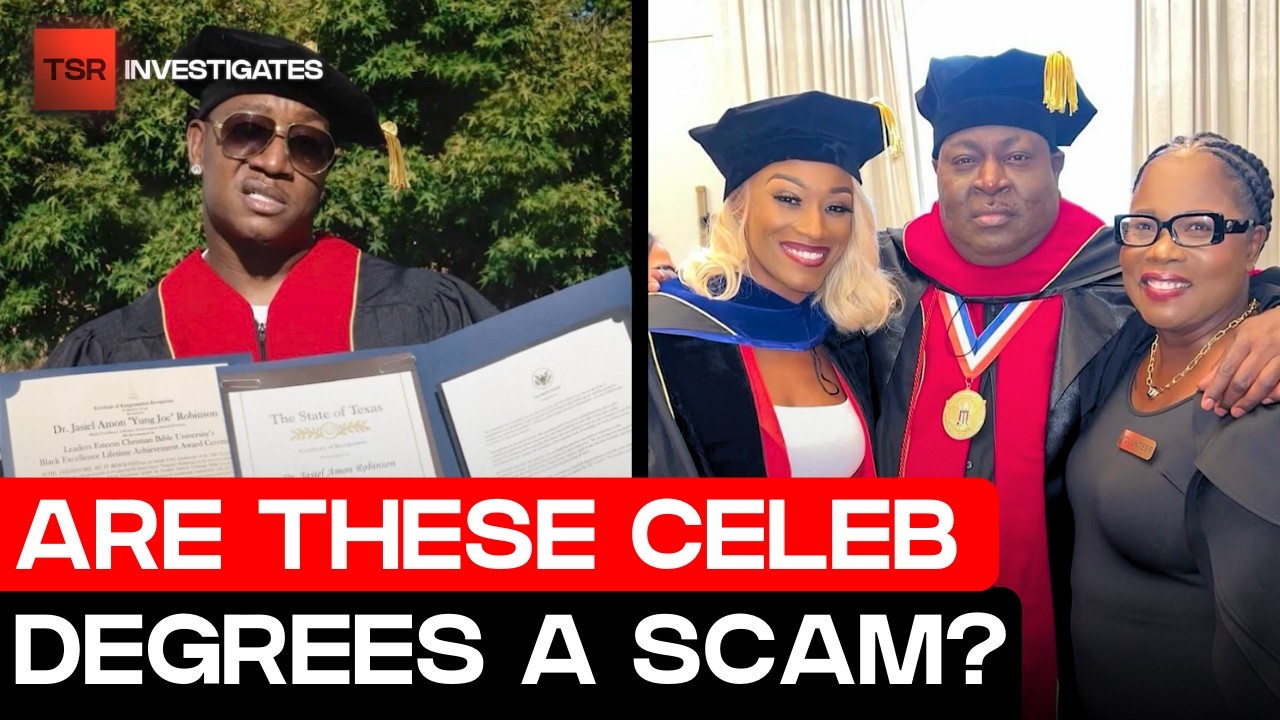
Honestly, this was unexpected but yes I was on the Shade Room. Three months ago, I wrote a story about Celebrities getting Honorary Degrees and how Rapper Young Joc, Reality Stars Cynthia Bailey and Towanda Braxton are receiving their honorary doctorates and accepting their titles from this so-called bible christian university.
By Gladys W. Muturiabout 9 hours ago in Interview
A Planetary Alignment will coincide with Mercury Retrograde
Double phenomena in the heavens Some people say in jest that the planets have aligned in their favor when life works the way they desire. Were you aware that there are seasons when things do line up in the heavens? There will be a planetary alignment AKA a planet parade, on February 28, 2026.
By Cheryl E Preston7 days ago in FYI

Comments (1)
It's great to see a young poet like Liam using his words to connect. His process sounds interesting. I started writing when I needed an outlet too.