
India’s Blue-Collar Boom: Trends Shaping the Future of Work
The Transformation of India’s Workforce: A New Era for Blue-Collar Jobs
Introduction
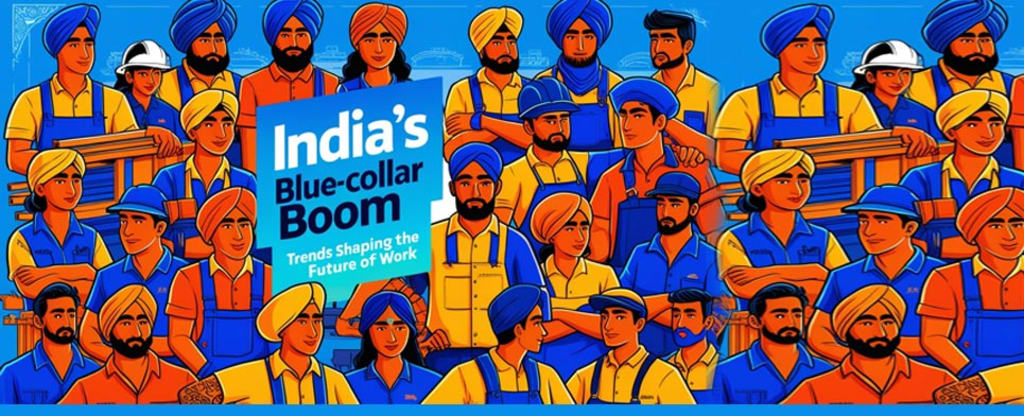
India is experiencing a blue-collar revolution, with sweeping changes transforming this vital segment of the workforce. As industries evolve, millions of workers are finding themselves at the forefront of innovation, new opportunities, and better livelihoods. From the meteoric rise of the gig economy to an emphasis on skill development, these trends are not just reshaping jobs but also reimagining the future of work itself. This article delves into the key drivers behind India’s blue-collar boom and the dynamic shifts propelling this transformation.
The Rise of the Gig Economy
The gig economy has emerged as a game-changer for India’s blue-collar workers. Digital platforms like Swiggy, Zomato, UrbanClap, and Ola have created flexible and performance-based employment opportunities. Unlike traditional 9-to-5 jobs, these roles empower workers with autonomy, enabling them to control their schedules and earnings.
For instance, delivery personnel and ride-hailing drivers now have the freedom to decide their work hours, with income directly linked to effort and efficiency. This decentralized model has redefined employment, providing livelihoods to millions while making the labor market more dynamic.
Technological Integration: Bridging Skill Gaps
Technology is revolutionizing blue-collar work, benefiting employers and employees alike. Industries such as manufacturing, logistics, and construction are leveraging automation, artificial intelligence, and IoT (Internet of Things) technologies. While automation raises concerns about job displacement, it’s also creating demand for new, tech-savvy roles.
For workers, mobile apps and digital platforms are proving transformative. Many now use apps to manage shifts, track earnings, and even access skill-enhancing courses. This digital adoption boosts productivity and job satisfaction, equipping workers to thrive in an increasingly tech-driven environment.
Upskilling: Building a Future-Ready Workforce
Recognizing the critical need for skilled labor, government and private entities are investing heavily in upskilling programs. From welding and plumbing to digital literacy, these initiatives aim to empower workers with market-relevant skills. For example, partnerships between industries and training institutes are ensuring targeted skill development tailored to employer needs.
Such efforts are pivotal in bridging the skills gap, opening doors to higher-paying opportunities, and preparing workers for a rapidly changing job landscape. By fostering continuous learning, India’s workforce is being future-proofed for evolving industry demands.
Improved Working Conditions and Compensation
Gone are the days when blue-collar jobs were synonymous with poor working conditions and meager wages. Today, companies are prioritizing employee welfare, offering competitive pay, benefits, and safe working environments. This shift is driven by labor reforms, corporate social responsibility initiatives, and a growing recognition of the need to retain talent.
Minimum wage laws, enhanced healthcare access, and social security programs are transforming the sector. Formalization of the labor market has added further stability, ensuring workers receive fair compensation and legal protections.
Urbanization and Infrastructure Growth
India’s rapid urbanization and infrastructure development are driving an unprecedented demand for blue-collar workers. The construction of highways, metro systems, residential complexes, and commercial properties has created a wealth of employment opportunities. Skilled trades such as plumbing, electrical work, and maintenance are now in high demand.
Government investments in infrastructure projects not only fuel job creation but also contribute to economic growth, providing a significant boost to both urban and rural employment.
Shifting Perceptions: Valuing Blue-Collar Work
One of the most heartening trends in India’s blue-collar transformation is the growing societal recognition of this workforce’s importance. Previously undervalued, these roles are now seen as indispensable to the country’s progress. Younger generations, in particular, are embracing the dignity of labor and appreciating the essential contributions of blue-collar workers.
This changing perception is leading to stronger support systems, including welfare programs and policy interventions, aimed at uplifting this crucial segment of the workforce.
Conclusion
India’s blue-collar workforce stands at the cusp of a promising new era. Trends such as the rise of the gig economy, technological integration, skill development, and improved labor conditions are paving the way for a brighter future. As urbanization and infrastructure projects continue to surge, blue-collar workers are poised to remain a vital pillar of India’s economic and social progress. This transformation not only elevates the livelihoods of millions but also reflects a broader shift towards equity, respect, and opportunity in the workplace.
About the Creator
Keep reading
More stories from Devi kolhe and writers in Interview and other communities.
Best Online MBA Programs in India for 2024: Top Choices for Professional Growth
In recent years, the popularity of Online MBA programs in India has seen a significant surge. This trend is driven by the increasing need for higher education and career advancement, particularly among working professionals who seek to enhance their business acumen without interrupting their careers. With flexible schedules, diverse specializations, and global recognition, Online MBA programs are fast becoming a popular choice for individuals who aspire to reach new heights in their careers.
By Devi kolheabout a year ago in Education
Center Stage with Paul Stewart
*** I'm keen to republish the interviews I did for my series with Vocal creators. It's been a few years and I thought it might be nice to revisit these wonderful conversations. I'll be releasing them one at a time for a few weeks/months.
By Heather Hublera day ago in Interview




Comments
There are no comments for this story
Be the first to respond and start the conversation.