
Helton Lima on Auto Programming in Our Era of Digitally Savvy Cars
The automotive industry is undergoing a digital revolution, transforming cars into sophisticated, interconnected machines.

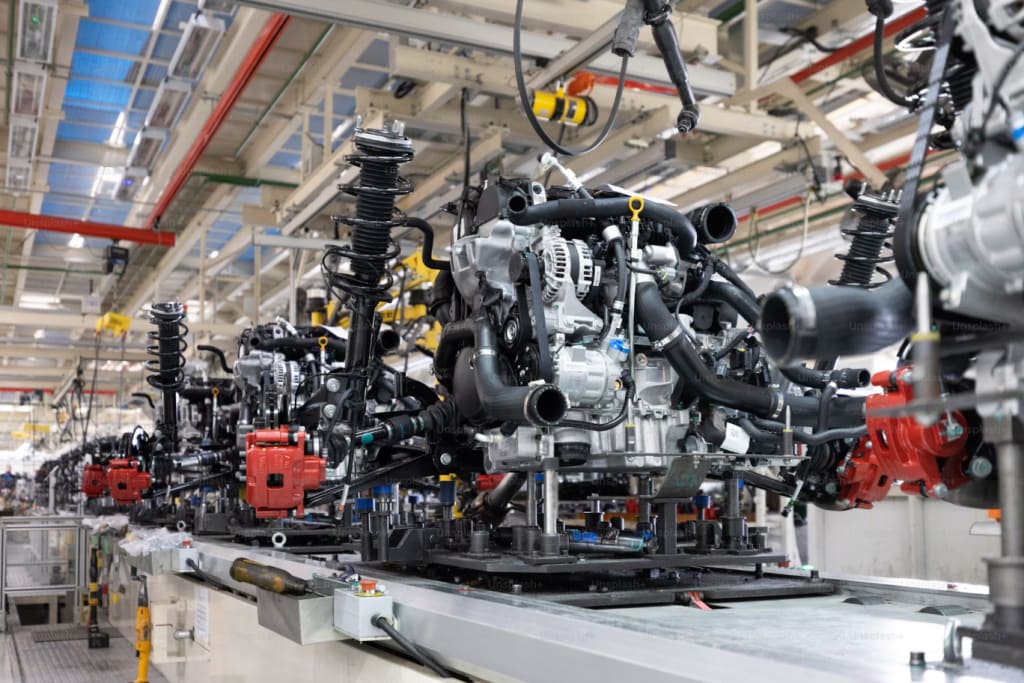
The automotive industry is undergoing a digital revolution, transforming cars into sophisticated, interconnected machines. To gain insight into this rapidly evolving landscape, we spoke with Helton Seixas de Paiva Lima, a dedicated automotive professional specializing in mechanics and electrical systems. Representing Overspeed Chiptuning in Rio de Janeiro, Brazil, Helton brings a unique perspective shaped by his diverse background and passion for performance.
Helton's journey into the automotive world began with a fascination for how things work. Initially drawn to Architecture and Urbanism at UFF, his interest lay in the entire process of project creation. However, the allure of moving parts, technical drawings, and schematics eventually led him to his true passion: motor vehicles.
"I realized that my true passion wasn’t in buildings, but in engines," Helton explains. Unsatisfied with architecture, he sought his place in motorsports, redirecting his focus towards the world of "mechanical noise, heat, and speed."
Driven by curiosity and a commitment to lifelong learning, Helton has pursued specialized training with institutions like Fueltech Education, HP Academy, and MS MotorService. These experiences have honed his skills in high-performance mechanics, embedded electronics, and workshop management, positioning him at the forefront of the automotive industry's digital transformation.
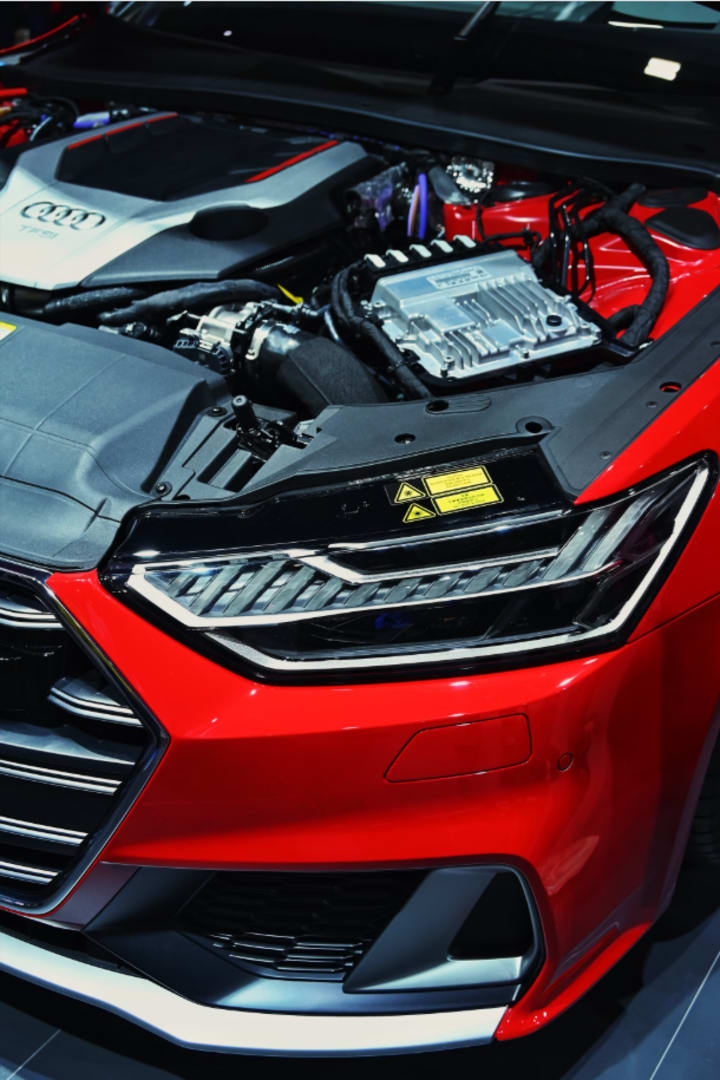
The Digitally Enhanced Car of 2025
According to Helton, cars in 2025 have evolved into highly digital and technologically advanced machines, enhancing both safety and the driving experience. Several key advancements stand out:
Connected Vehicles: Modern cars can communicate with each other, infrastructure, and even smart home devices. This interconnectedness enables real-time data sharing, optimizing traffic flow and improving overall safety.
Intuitive Infotainment Systems: Car infotainment systems have become user-friendly, featuring large touchscreens and voice recognition that respond to driver commands with ease.
Over-the-Air Updates: Forget dealership visits for software updates. Many cars now support over-the-air (OTA) updates, allowing manufacturers to remotely fix bugs and introduce new features, ensuring vehicles always have the latest software without inconvenience.
Advanced Driver-Assistance Systems (ADAS): Cars are equipped with a suite of advanced safety features, including adaptive cruise control, lane-keeping assist, and automated parking. Utilizing sensors, cameras, and radar technology, ADAS makes driving safer and more convenient.
Enhanced Safety Technology: Features like automatic emergency braking, pedestrian detection, and 360-degree cameras are now commonplace, preventing accidents and enhancing safety for both drivers and pedestrians.
The Enduring Importance of Fuel Efficiency
While electric vehicles are garnering significant attention, Helton emphasizes the continued relevance of fuel-efficient gasoline and diesel vehicles. Several factors contribute to this:
Environmental Awareness: As awareness of climate change grows, fuel-efficient vehicles offer an eco-friendlier alternative for those not ready to transition to electric cars.
Cost Savings: Fuel efficiency translates to lower gas costs, providing significant savings for drivers.
Battery Challenges: Concerns surrounding the sourcing, manufacturing, and disposal of electric vehicle batteries persist. The environmental impact of mining materials and the potential hazards of battery fires make fuel-efficient cars a more straightforward option for some.
Driver Preference: Many drivers still prefer the feel and responsiveness of traditional engines. Refueling is quick and easy, providing a level of convenience that electric vehicles have not yet fully replicated.
The Sophistication of Engine Control Units (ECUs)
According to Helton, Engine Control Units (ECUs) have become significantly more sophisticated in recent years, playing a crucial role in modern automotive technology.
Advanced Processing Power: Modern ECUs possess powerful processors capable of handling complex algorithms and vast amounts of data. This enables real-time adjustments to engine performance, resulting in optimized efficiency, power output, and emissions.
Enhanced Sensor Integration: Contemporary ECUs are designed to integrate with a wide range of sensors that monitor various parameters, from air intake and fuel mixture to exhaust emissions and engine temperature. This enables precise control over engine functions, enhancing performance and fuel efficiency.
Adaptive Learning: Many advanced ECUs feature adaptive learning capabilities, allowing them to analyze driving patterns and environmental conditions. By learning from data over time, the ECU can optimize engine settings for fuel economy during highway driving or enhanced power in urban environments.
Connectivity and Communication: With the rise of connected vehicles, ECUs can now communicate with other systems within the car and external networks. This connectivity enables over-the-air updates, allowing manufacturers to enhance performance and address issues remotely.
ADAS Integration: ECUs play a vital role in the functionality of ADAS features, processing data from sensors to enhance safety and driving comfort.
Hybrid and Electric Vehicle Management: In hybrid and electric vehicles, ECUs manage the interaction between the electric motor and the internal combustion engine, controlling energy distribution, battery management, and regenerative braking for optimal efficiency.
Performance Tuning: Sophisticated ECUs allow enthusiasts to fine-tune engine parameters for enhanced horsepower and torque, optimizing vehicle performance characteristics.
Emissions Control: With increasingly stringent emissions regulations, ECUs ensure that engines run as cleanly as possible, managing systems like catalytic converters and exhaust gas recirculation to minimize pollutants and comply with environmental standards.
The Challenge of Auto Tuning in the Digital Age
Helton identifies the increasing complexity of modern vehicles as the biggest challenge in auto tuning today.
Complexity of Modern Vehicles: The proliferation of diverse brands, models, and ECU operating systems has made tuning more intricate. Tuners require specialized tools to ensure compatibility across different variants.
Proprietary Software and Data Access: Many car manufacturers use proprietary software, limiting independent tuners access to the information needed for effective adjustments. Special tools and software may be required, posing a significant hurdle.
Emissions Regulations: Stricter emissions regulations add another layer of complexity. Tuners must balance performance enhancements with the need to maintain emissions levels within legal limits.
Integrity, Determination, and Passion
According to Helton, the ability to adapt, evolve, and reinvent oneself is invaluable in a rapidly changing industry. He believes in approaching every task as if he were the end-user, ensuring the highest level of quality. With integrity, determination, and a genuine passion for impactful work, Helton embodies the innovative spirit driving the automotive industry forward.
Images courtesy of Unsplash.com
About the Creator
Lisa Rosenberg
I am a writer based in New York City writing about artists, creative leaders and entrepeneurs.
Keep reading
More stories from Lisa Rosenberg and writers in Interview and other communities.
Part 2 Interview With Joe Patterson, Author Of Melanin Memoirs
This is my second interview with Joe Patterson. His 4th anniversary writing on Vocal will be in March 2026. He has one achievement on Vocal, The Other Foot. He has over 17,000 reads on Vocal since he started on Vocal in 2022. Joe Patterson is very creative poet and rapper. Joe is deep thinker and I feel it is reflected in his latest published book, Melanin Memoirs.
By Mariann Carroll21 days ago in Interview
I MADE THE SHADE ROOM!!!!
Honestly, this was unexpected but yes I was on the Shade Room. Three months ago, I wrote a story about Celebrities getting Honorary Degrees and how Rapper Young Joc, Reality Stars Cynthia Bailey and Towanda Braxton are receiving their honorary doctorates and accepting their titles from this so-called bible christian university.
By Gladys W. Muturi3 days ago in Interview




Comments