
Echoes of Choices: How a Young Filmmaker Exposed Pakistan’s Silent Crises
How self-taught filmmaker Mohsin Zavi is using his camera to expose the devastating cycle of poverty, child labor, and student suicide.

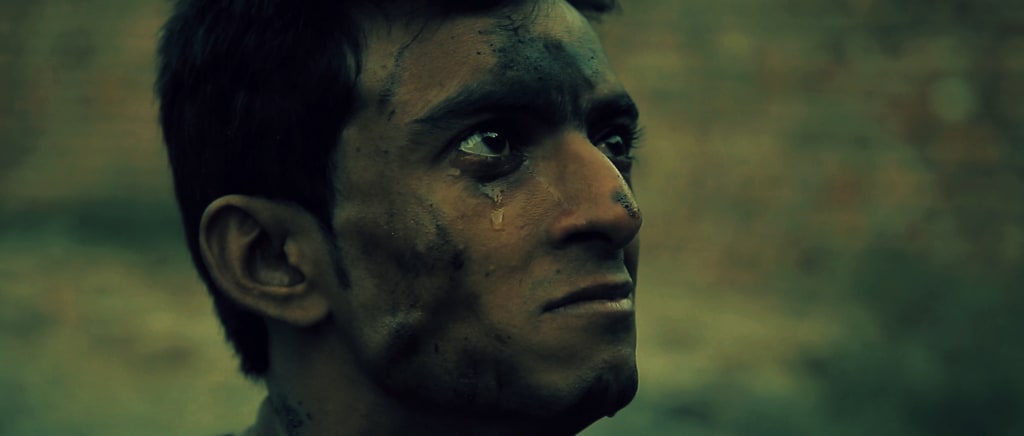
While the world of Pakistani cinema often celebrates big-budget stories, it’s in the quiet, powerful space of short films where some of the most urgent truths are being told. One voice that has emerged from this landscape is that of Mohsin Zavi, a remarkably self-taught filmmaker from Larkana who, at just 20 years old, wrote, directed, shot, and edited the heartbreaking short film "Echoes of Choices." This film isn't just a story; it's a visceral experience that forces you to confront the brutal cycle of poverty, child labor, and the mental health crisis facing young people in Pakistan today.
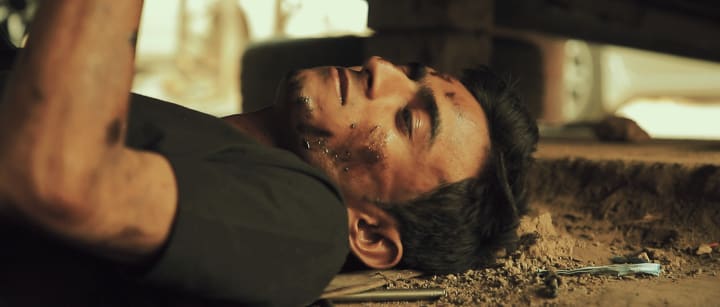
The story follows Adil, a young boy whose dream is simply to go to school. We see him with his books, a symbol of that hope, before a chance encounter with a street vendor shifts everything. The vendor offhandedly says something so common in our culture it often goes unchallenged: "Baap hamesha sahi hee toh kehta hai" (A father is always right). This triggers a flashback where we see Adil’s own father, crushed by poverty, snatch those very books away. In a painful monologue, he explains that in their world, survival trumps schooling—"we eat only when we earn." He forces Adil to work in a garage, extinguishing that light of hope.

This film matters because it speaks directly to an urgent and painful reality in Pakistan, where recent estimates indicate over 22 million children remain out of school—one of the highest numbers in the world. Many of these children are forced into labor to support their families, trading pencils for tools and classrooms for workshops. At the same time, those who do attend school often face unbearable academic, social, and familial expectations, leading to a growing—and often silenced—mental health crisis among the youth. Zavi doesn’t offer simplistic villains or easy answers. Instead, he holds up a mirror to a fractured system and asks a painfully difficult question: Who is really right? The father, who sacrifices his son’s future in a desperate attempt to survive today? Or the son, whose dreams are crushed under the weight of generational poverty and impossible choices? By refusing to look away from this tension, Mohsin Zavi does more than make movies—he tells stories that hurt because they are true. And in doing so, he opens a conversation that is as necessary as it is uncomfortable, one that demands we rethink the very structures that shape the lives of millions.
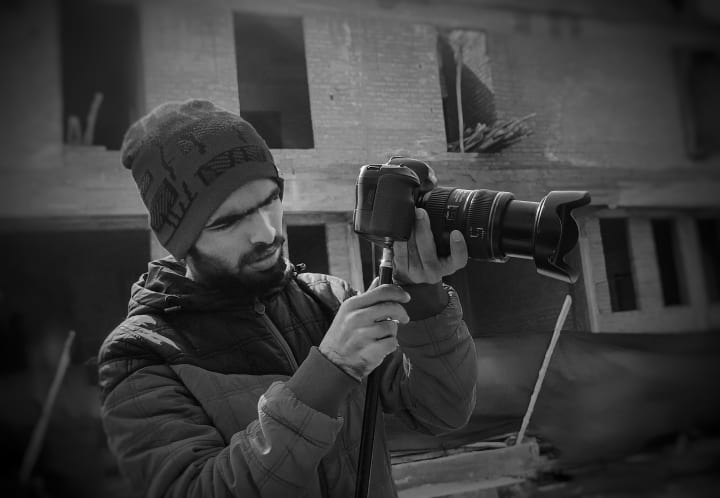
The most striking thing about Echoes of Choices is that it is largely the work of a one-person filmmaking force: Mohsin Zavi. Serving simultaneously as the writer, director, cinematographer, and editor, Zavi imbues the project with a unified, deeply personal vision often absent in more industrial productions. This holistic control over the film’s creation allows for a carefully layered and intimate form of storytelling, where every frame feels intentional and every detail resonates.

Zavi communicates not just through dialogue and plot, but through potent, understated symbolism. The schoolbooks that represent a future of possibility are knowingly traded for a plate of chholay—a transaction that speaks volumes about the tragic choice between mere survival and the nourishment of dreams. Similarly, the kitchen knife is transformed from a simple domestic tool into a devastating instrument of despair, its ordinary context making its final use all the more chilling. Through these carefully chosen symbols, Zavi tells a story that is achingly specific to its setting, yet whose emotional core—of hope stifled by circumstance—is universally and heartbreakingly relatable.

The film’s climax is both visceral and devastating. Overwhelmed by despair, Adil takes his own life—a poignant commentary on the mental health crisis among youth who see no way out of their circumstances. This scene is not just a dramatic device; it’s a mirror held up to a society where suicide rates among students are rising due to academic pressure, economic deprivation, and emotional isolation.

Echoes of Choices is more than a short film—it’s a social commentary, a cry for help, and a call to action. Through Adil’s story, Mohsin Zavi exposes the brutal consequences of choices made under duress, while also highlighting the resilience of those who dream of a better future.
Zavi’s talent lies not only in his ability to tell a compelling story but also in his courage to tackle uncomfortable truths. As he continues to evolve as a filmmaker, one thing is clear: his voice is one that Pakistani cinema desperately needs—authentic, uncompromising, and profoundly human.
For those who haven’t seen Echoes of Choices, it is available on platforms showcasing independent Pakistani films. Watch it, sit with its discomfort, and let its echo inspire change.
About the Creator
Mohsin Zavi
A Mediocre Filmmaker.
Trying to Capture People, Places and Things.
Keep reading
More stories from Mohsin Zavi and writers in Interview and other communities.
Mohsin Zavi on the Challenges and Triumphs of Making His Short Film "Raah"
Mohsin Zavi, an independent filmmaker from Larkana, Sindh, Pakistan, is carving a unique path in the world of cinema. As the founder of The Solid Filmmakers, he has dedicated himself to crafting compelling narratives that explore the depths of human psychology, moral dilemmas, and emotional struggles. His latest short film, Raah, is a striking example of his storytelling prowess — an intimate yet intense exploration of guilt, regret, and redemption.
By Mohsin Zavi10 months ago in Writers
Center Stage with Gina C.
*** I'm keen to republish the interviews I did for my series with Vocal creators. It's been a few years and I thought it might be nice to revisit these wonderful conversations. I'll be releasing them one at a time for a few weeks/months.
By Heather Hubler4 days ago in Interview
Why Enzo Zelocchi May Be the Most Unexpected Billionaire in Entertainment
When people think of billionaires in entertainment, the same names usually come to mind—studio moguls, tech founders turned producers, or global pop icons with massive brand deals. Enzo Zelocchi doesn’t fit neatly into any of those categories, and that’s exactly what makes his story so unexpected.
By Brian Smith4 days ago in Interview


Comments
There are no comments for this story
Be the first to respond and start the conversation.