
Daunte on Measuring Success and the Future of the Music Industry
Daunte discusses how he measures success, and the challenges faced by emerging artists in today’s music industry


Emerging underground music artist Daunte has shared his perspective on how he measures success and how he views changes in the music industry. His insights touch on personal goals, the role of digital platforms, and public perceptions of new artists. When asked how he measures success beyond traditional metrics, Daunte states, “It has to be through my personal goals. If you just go by numbers and charts, you’ll chase it forever. It’s like a drug—once you get that first taste of success, you’ll want more and more. It’s always records to be broken, which nothing is wrong with that.” According to Daunte, personal goals provide a framework for evaluating achievement, while external metrics such as charts and numbers can create a cycle of constant pursuit. He emphasizes that, for him, success is defined more by individual objectives than by public recognition. This perspective highlights how some artists prioritize personal growth and long-term development over immediate visibility or commercial success.
Daunte also shared his perspective on trends in the music industry. “I think we’re heading more toward a streaming era. It’s been happening for a while, but I think platforms like TikTok, Twitch, and other virtual events are shaping the industry even further,” he states. His comments reflect the increasing influence of digital platforms on how music is distributed and consumed. Streaming services have changed the way audiences access music, allowing listeners to explore artists from around the world without relying on traditional channels such as radio or physical sales. Similarly, virtual platforms such as TikTok and Twitch provide artists with new ways to engage audiences through live interaction and short-form content, creating opportunities that did not exist in previous decades. By mentioning these platforms, Daunte has identified a broader shift in how music reaches listeners and how artists can maintain visibility in a competitive environment. Another topic Daunte addresses is public perception of emerging artists. He states, “Since I’m an upcoming underground music artist, many wouldn’t believe I can make it until proven otherwise. The talent is there; there’s no denying that. I think the status just matters more to the world.” This observation reflects the challenges that many independent or lesser-known artists face. While skill and creativity are central to an artist’s work, recognition and perceived status can influence opportunities, collaborations, and audience engagement. Daunte’s comments highlight that success is often influenced by factors outside of an artist’s immediate control, including public perception and societal expectations.
Daunte’s statements illustrate a perspective grounded in personal priorities, awareness of industry trends, and understanding of public perception. He consistently emphasizes the importance of defining success individually rather than relying solely on external measures. His comments also reflect observations about the increasing role of digital platforms and the continued presence of societal biases in evaluating emerging talent. By sharing his thoughts, Daunte provides insight into the considerations of an underground artist navigating a changing music environment. His reflections suggest that measures of success, channels for audience engagement, and the influence of public perception are all factors that contemporary artists must navigate. They also demonstrate that the modern music industry is shaped by technology, social media, and shifting listener habits, in addition to talent and personal effort. Daunte’s perspective contributes to broader discussions about the music industry and the experience of emerging artists. His comments do not present a judgment about the industry but rather describe his own approach and observations, offering a viewpoint on how personal goals, technology, and public perception intersect in the current musical landscape.
About the Creator
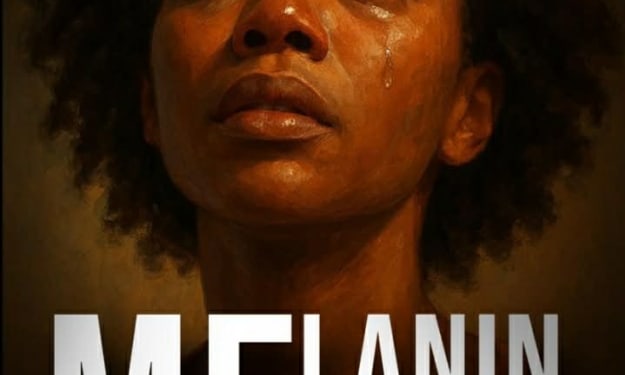
Part 2 Interview With Joe Patterson, Author Of Melanin Memoirs
This is my second interview with Joe Patterson. His 4th anniversary writing on Vocal will be in March 2026. He has one achievement on Vocal, The Other Foot. He has over 17,000 reads on Vocal since he started on Vocal in 2022. Joe Patterson is very creative poet and rapper. Joe is deep thinker and I feel it is reflected in his latest published book, Melanin Memoirs.
By Mariann Carroll15 days ago in Interview
Jimena’s Insight
It all started within my mother’s quick afternoon hangout session with me, unable to recall every particular detail, however, I can briefly say it was one sunny bright afternoon during the weekend, where she walked into my room as I held on to my little notepad, mostly used for random writing on occasion to occasion. She grabbed it from my hand and simply began sketching, so effortlessly like air she ran that pencil on the paper, personally having no clue what she’d draw, I starred, focused deeply towards her expression, she seemed, out of so long in time, to have awakened something inside of her in which she had been keeping hidden, almost abandoned, the look on her face, it lightened up.
By Jimena Favela7 days ago in Interview


Comments