
Common Mistakes to Avoid on Your Restaurant Manager Resume
Tips for Success

A well-crafted resume is your gateway to securing a job as a restaurant manager. However, even minor mistakes on your resume can cost you the position. In a competitive industry where attention to detail and managerial expertise are crucial, it’s essential that your resume effectively showcases your qualifications. A polished resume free from common errors can significantly increase your chances of standing out.
In this article, we’ll discuss the common mistakes many candidates make on their restaurant manager resume and how to avoid them. For those looking for a hassle-free solution, the AI Resume Builder can help you create a resume that avoids these pitfalls and meets industry standards.
Introduction
A restaurant manager’s role involves overseeing daily operations, leading teams, and ensuring profitability—all while maintaining a high level of customer satisfaction. As such, your resume must reflect your ability to handle these responsibilities effectively. However, many applicants make critical mistakes when drafting their resumes, which can reduce their chances of landing an interview.
Using tools like the AI Resume Builder ensures that your resume is well-structured, concise, and free from common errors that could otherwise cost you an opportunity.
Top Mistakes to Avoid on Your Restaurant Manager Resume
Here are the top mistakes to avoid when creating your restaurant manager resume:
1. Failing to Highlight Leadership
As a restaurant manager, leadership is one of the most important skills you must demonstrate. Yet, many candidates fail to adequately highlight their leadership experience, leaving employers unsure of their ability to manage a team.
Why it matters: A restaurant manager is responsible for overseeing staff, resolving conflicts, and ensuring smooth operations. If you don’t showcase your leadership skills clearly, hiring managers may doubt your ability to handle these essential duties.
How to avoid it: Provide specific examples of how you’ve led teams and driven improvements. Instead of vague statements like “managed staff,” offer concrete examples like “Led a team of 20 servers, improving efficiency by 15% through updated training programs.”
Example: “Implemented a staff training program that reduced employee turnover by 25% and improved team performance, resulting in a 10% increase in customer satisfaction.”
2. Omitting Key Metrics
Many resumes fail to include quantifiable metrics, which are crucial for demonstrating the impact you’ve had in your previous roles. Metrics provide evidence of your achievements and give hiring managers a clear understanding of your contributions.
Why it matters: Metrics help employers gauge the scale of your responsibilities and the results you’ve achieved. Without them, your resume may come across as vague or incomplete.
How to avoid it: Include data that quantifies your accomplishments, such as revenue growth, cost reductions, or improvements in customer satisfaction.
Example: “Increased restaurant revenue by 20% within six months by implementing a new inventory management system, reducing food waste by 15%.”
Quantifying your achievements not only adds credibility to your resume but also helps you stand out from candidates who fail to demonstrate measurable success.
3. Using Vague Language
Another common mistake is using vague language that doesn’t clearly convey your accomplishments or the scope of your responsibilities. Terms like “responsible for” or “helped with” don’t provide enough insight into what you’ve actually achieved in previous roles.
Why it matters: Vague language can make it difficult for hiring managers to understand the true extent of your experience. Instead of showing your capabilities, it leaves questions unanswered.
How to avoid it: Be specific and use action verbs to describe your achievements. For example, replace “responsible for managing staff” with “Oversaw a team of 30 front-of-house employees, optimizing scheduling to reduce overtime costs by 12%.”
Example: “Implemented customer service improvements that led to a 15% increase in repeat customers over six months.”
Specific, action-oriented language shows that you are results-driven and capable of making a measurable impact, which is essential for any restaurant manager role.
For more detailed tips on avoiding these mistakes, check out the Restaurant Manager Resume blog.
How to Fix These Mistakes
If your current resume contains any of the mistakes mentioned above, don’t worry—there are simple ways to fix them and improve the quality of your application.
1. Use Specific Achievements
One of the easiest ways to strengthen your restaurant manager resume is by including specific achievements that highlight your successes in previous roles. Rather than focusing on general responsibilities, detail the impact you had on the business, whether it’s through increasing revenue, improving staff retention, or enhancing customer satisfaction.
Tip: When listing your achievements, always try to include metrics that quantify your success.
Example: “Reduced operating costs by 10% by renegotiating supplier contracts, resulting in annual savings of $25,000.”
2. Quantifiable Data
Make sure your resume includes key metrics that demonstrate your value to potential employers. Whether it's increasing sales, cutting costs, or boosting customer satisfaction, data-driven achievements help hiring managers visualize the impact you can bring to their establishment.
Tip: When describing your accomplishments, always ask yourself, “How can I measure this?” If there’s a number or percentage attached to your achievements, include it.
3. Tailored Language
Replace vague language with specific, action-oriented descriptions that reflect your responsibilities and achievements. Action verbs such as “led,” “managed,” “implemented,” and “increased” show that you are a proactive manager who takes initiative.
Tip: Use action verbs and specific metrics in every bullet point of your resume to make a stronger impact.
Conclusion
Avoiding these common mistakes on your restaurant manager resume can significantly increase your chances of securing an interview. By emphasizing leadership, including key metrics, and using specific, action-oriented language, you present yourself as a results-driven candidate ready to take on the challenges of managing a restaurant.
To ensure your resume is polished, tailored, and free of common errors, consider using tools like the AI Resume Builder. This tool will help you structure your resume effectively, avoid pitfalls, and present your experience in the best light possible.
By focusing on these key areas and avoiding common mistakes, your restaurant manager resume will not only stand out but also demonstrate your capability and expertise in running a successful restaurant.
About the Creator
Keep reading
More stories from Soujanya V L and writers in Interview and other communities.
How to Showcase Soft Skills on Your Resume?
In today's fast-paced and competitive job market, soft skills are becoming just as important—if not more important—than technical skills. While your technical abilities demonstrate what you can do, soft skills show how you do it. These interpersonal and communication abilities reflect how well you work with others, adapt to challenges, and solve problems, making you a well-rounded candidate for any job.
By Soujanya V Labout a year ago in Interview
Part 2 Interview With Joe Patterson, Author Of Melanin Memoirs
This is my second interview with Joe Patterson. His 4th anniversary writing on Vocal will be in March 2026. He has one achievement on Vocal, The Other Foot. He has over 17,000 reads on Vocal since he started on Vocal in 2022. Joe Patterson is very creative poet and rapper. Joe is deep thinker and I feel it is reflected in his latest published book, Melanin Memoirs.
By Mariann Carroll22 days ago in Interview
I MADE THE SHADE ROOM!!!!
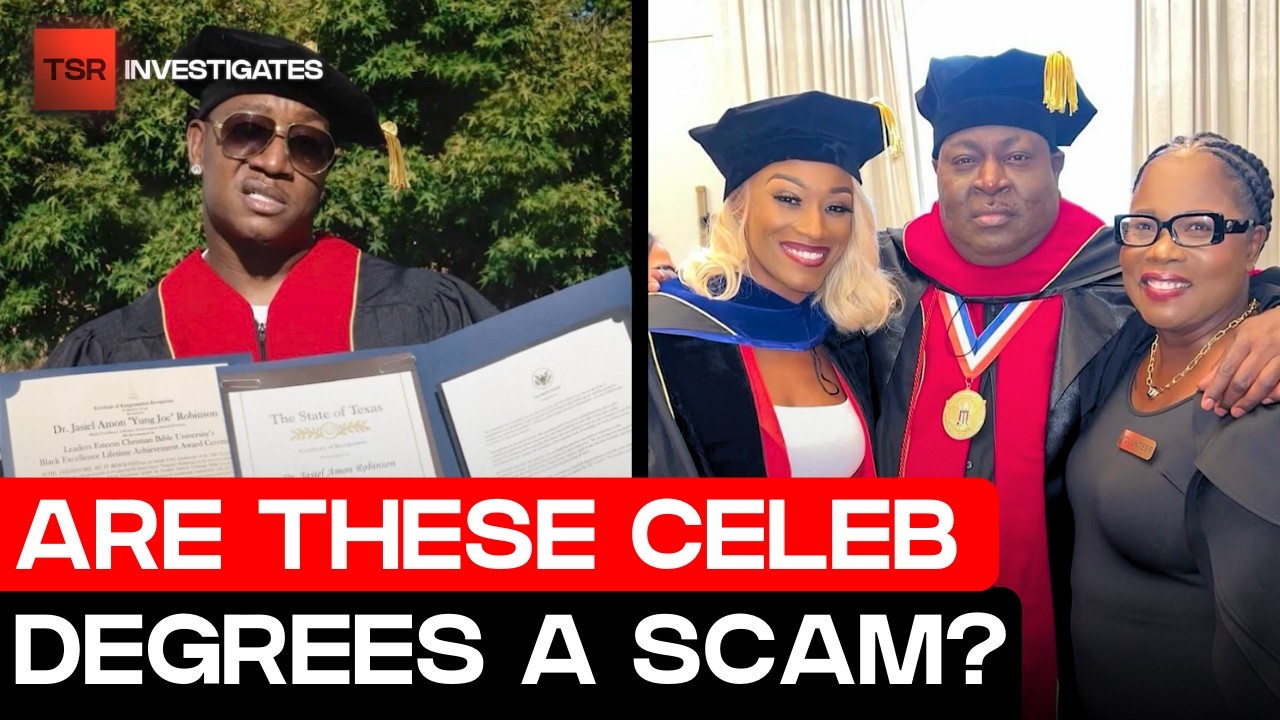
Honestly, this was unexpected but yes I was on the Shade Room. Three months ago, I wrote a story about Celebrities getting Honorary Degrees and how Rapper Young Joc, Reality Stars Cynthia Bailey and Towanda Braxton are receiving their honorary doctorates and accepting their titles from this so-called bible christian university.
By Gladys W. Muturi3 days ago in Interview
Guard Your Battery
Why are some people so attractive just by standing there? It’s not because they are "likable," but because they don’t need everyone to like them. I realized later that truly charismatic people allow themselves to be criticized, but they never criticize themselves. They never try to please the world; instead, the world stops to watch them.
By Emily Chan - Life and love sharing3 days ago in Poets



Comments
There are no comments for this story
Be the first to respond and start the conversation.