
Cláudia Duarte Agostinho: A Leading Voice in Youth-Led Climate Litigation
Portugal

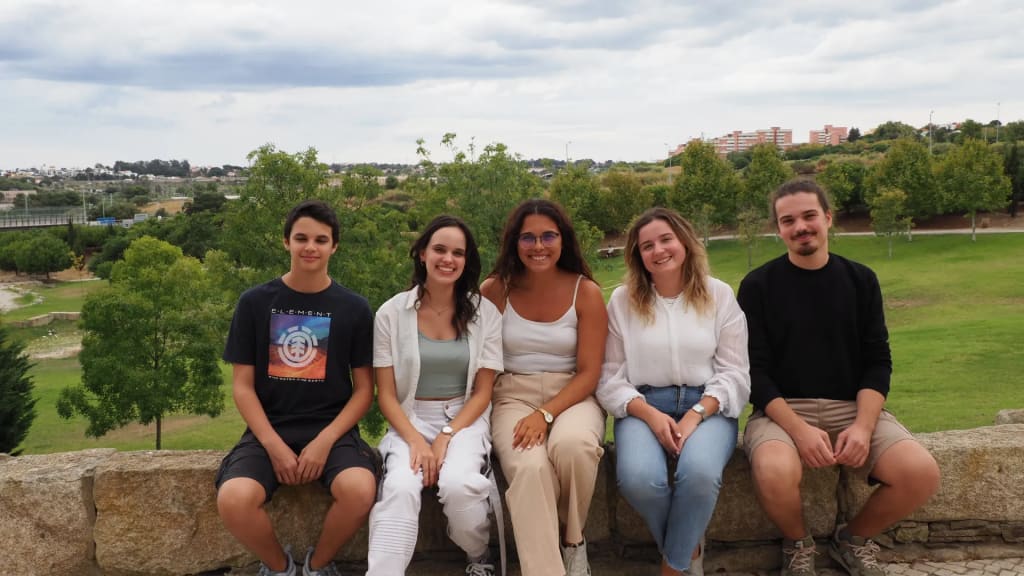
Cláudia Duarte Agostinho, a 24-year-old emergency room nurse from western Portugal, has become a prominent figure in the global movement for climate justice. As a member of the youth-led organization Último Recurso, she has been instrumental in challenging the inaction of governments on climate change through legal avenues. Her efforts are a testament to the power of youth activism, as she works tirelessly to hold European governments accountable for their environmental policies — or lack thereof.
The Landmark Legal Challenge
In 2020, Cláudia and five other young Portuguese nationals filed a landmark case against Portugal and 32 other European states at the European Court of Human Rights (ECHR). They argued that the insufficient climate policies of these countries violated their fundamental rights under the European Convention on Human Rights. Specifically, they invoked Articles 2 (Right to Life), 3 (Prohibition of Torture), 8 (Right to Respect for Private and Family Life), and 14 (Prohibition of Discrimination). According to The Ecologist, the young activists presented evidence showing that the increasing frequency of heatwaves, wildfires, and floods in Portugal were direct threats to their health, safety, and well-being. They called on the Court to recognize that these impacts were not merely environmental challenges, but violations of their human rights.
The applicants also argued that their governments’ failure to take effective action on climate change directly harmed their lives. For example, in Portugal, summer temperatures are rising year after year, leading to scorching heatwaves, devastating wildfires, and intense droughts. These issues, the activists claimed, disproportionately affect younger generations, who will bear the long-term consequences of climate change. They also pointed to the insufficient measures European countries had taken to meet their commitments under the Paris Climate Agreement, arguing that this failure undermined their future and their basic human rights.
Court’s Decision and Its Implications
On April 9, 2024, the ECHR declared the case inadmissible, stating that the applicants had not exhausted all domestic legal remedies in Portugal before bringing the case to Strasbourg. The Court also concluded that it lacked jurisdiction over the other 32 respondent states, as the applicants resided in Portugal and the alleged violations primarily occurred within the country. This ruling was met with disappointment but not defeat. In the official court decision published on the ECHR website, the court stressed that the applicants could still pursue domestic legal routes to address their concerns within Portugal (European Court of Human Rights).
Despite the setback, the case has been hailed as a significant step in climate litigation, as it highlighted the ongoing challenges of holding governments accountable for their role in the climate crisis. According to Columbia Law School’s Climate Blog, this case sets a precedent for future legal actions where activists are using the European human rights framework to demand government action on climate change. Although the ECHR ruling was unfavorable, it opened the door to broader legal conversations about how the international human rights system can be used to tackle the global climate emergency.
Cláudia’s Personal Motivation
Cláudia’s commitment to climate justice is deeply personal. She has spoken openly about experiencing eco-anxiety, a growing mental health condition exacerbated by the anxiety over the worsening climate crisis. In an interview with The Ecologist, Cláudia revealed that her involvement in the lawsuit was driven by a desire to secure a livable future for her generation and to push for meaningful, actionable change on the global stage. She emphasized that the youth generation is at the forefront of the fight for climate justice, as they will face the worst effects of climate change. Cláudia is not alone in this sentiment — many young activists around the world are increasingly vocal about their fears for the future, as they see governments failing to meet the climate goals set years ago.
Cláudia’s deep commitment to social justice and environmental protection grew from her own experiences growing up in Portugal, a country heavily affected by climate-related disasters. Heatwaves, wildfires, and flooding have become common occurrences in her home country, and she saw firsthand the impacts these environmental changes had on local communities. She believes that climate inaction is a form of intergenerational injustice, depriving young people of a safe and stable future. Through her legal challenge, she has become a leading voice in Europe’s growing movement of youth-led climate litigation.
The Broader Movement
The case is part of a broader movement led by young activists in Portugal and across Europe, advocating for stronger climate policies and greater accountability from governments. According to The Ecologist, organizations like Último Recurso continue to press for legal reforms that align with the goals of the Paris Agreement. Their work emphasizes that climate change is not just an environmental issue but one that touches every aspect of human life. The consequences of climate inaction are felt most acutely by the most vulnerable — communities that are already marginalized, children, and young adults. These activists are working to ensure that climate policy integrates human rights and prioritizes those most affected.
Organizations like Fridays for Future and Youth for Climate Justice have provided young people a platform to demand action from governments, and their collective efforts are having a noticeable impact on public discourse. Youth-led movements have spurred legislative changes in countries such as Germany, where young people successfully petitioned for stricter climate regulations. By framing climate action as a moral and legal obligation, activists like Cláudia are contributing to a global call for urgent action.
Looking Ahead
While the ECHR’s decision was a setback, Cláudia and her peers remain undeterred. They continue to engage in advocacy, public education, and legal efforts aimed at compelling governments to fulfill their climate obligations. The battle is far from over, and Cláudia is determined to continue pushing for justice. In fact, she believes that legal action — whether through national courts or international bodies like the ECHR — remains one of the most powerful tools to hold governments accountable.
Cláudia’s leadership exemplifies the power of youth activism in confronting one of the most pressing challenges of our time. By using the law as a tool for change, she and other young activists are reshaping the climate justice narrative and ensuring that the world takes notice of the urgency of the climate crisis.
About the Creator
European Voices
An initiative to make the voices of young European heard across Europe.
Keep reading
More stories from European Voices and writers in Interview and other communities.
Ahed Tamimi: The Palestinian Activist Who is Making Waves in Europe
In a world where powerful political narratives often drown out the voices of the oppressed, young Palestinians like Ahed Tamimi are breaking through the noise and gaining international recognition for their unwavering stance on justice and human rights. Ahed, now 23, became one of the most prominent faces of Palestinian resistance after a viral video in 2017 captured her confronting Israeli soldiers in the West Bank. Today, her activism continues to inspire both Palestinians and global audiences as she brings the Palestinian cause to the forefront of European human rights discussions.
By European Voices11 months ago in Interview
Part 2 Interview With Joe Patterson, Author Of Melanin Memoirs
This is my second interview with Joe Patterson. His 4th anniversary writing on Vocal will be in March 2026. He has one achievement on Vocal, The Other Foot. He has over 17,000 reads on Vocal since he started on Vocal in 2022. Joe Patterson is very creative poet and rapper. Joe is deep thinker and I feel it is reflected in his latest published book, Melanin Memoirs.
By Mariann Carroll21 days ago in Interview


Comments