
Bridging Worlds: Taiwanese Creative Technologist Munus on Innovation, Identity, and the Power of Open Source
Munus Shih (he/they) is a Taiwanese Hakka creative technologist, artist, teacher, and organizer in Brooklyn.

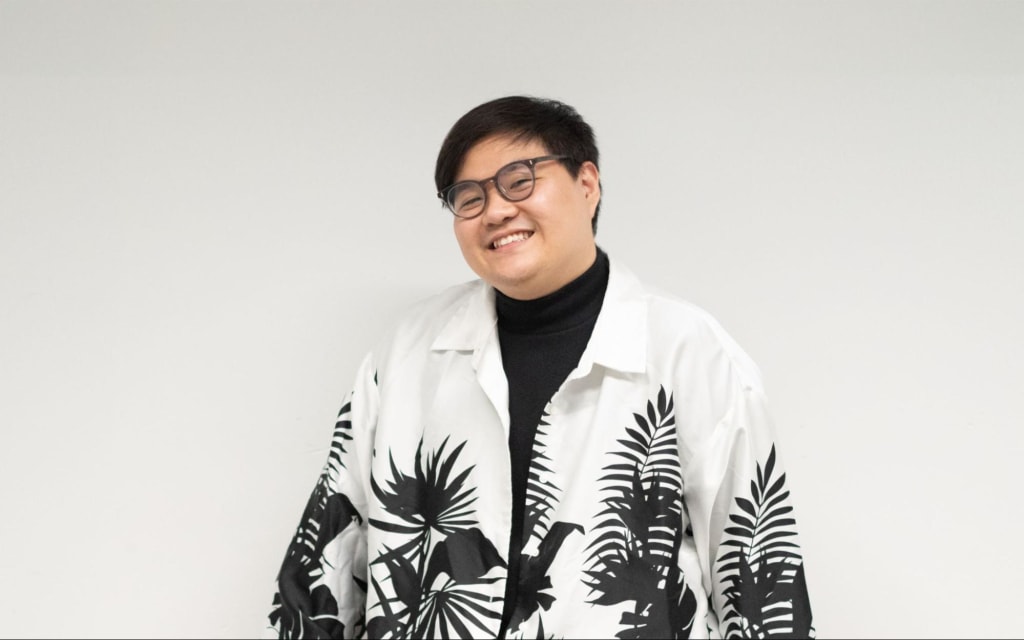
When it comes to technological advancement, Taiwan often stands as a beacon of innovation. For Munus Shih (he/they), a Taiwanese Hakka creative technologist, artist, teacher, and organizer currently based in Brooklyn, this technological landscape has been a lifelong influence, shaping their unique perspective and career trajectory.
Growing up in Hsinchu, Taiwan, a region known as the “Silicon Valley of Taiwan” due to its thriving science park teeming with companies producing chips for tech giants like Apple, Munus witnessed firsthand the pervasive integration of technology into daily life. This environment fostered an early appreciation for innovation and a comfort level with technology that would later differentiate them in the creative tech sphere.

Hsinchu: Taiwan’s Silicon Valley
"Growing up in Hsinchu, technology has always felt like a huge part of life here," Munus explains. "Innovation is everywhere, especially in tech. The government invests heavily in Research & Development, which really speeds up development.”
The big difference that Munus sees between the US and Taiwan is both the pace and flexibility.
“Things here move quickly, not just in tech, but also in creative industries and entertainment,” explains Munus “People are used to adapting fast. Interestingly, the concept of creative tech in Taiwan is still relatively new—it’s often still in its early stages and sometimes feels almost like science fiction."
This rapid pace of development and openness to new ideas instilled in Munus a sense of possibility that fueled their creative ambitions. It also provided them with a competitive edge, allowing them to approach technology and design with a unique blend of familiarity and innovation.
Taiwan’s Fast-Paced Technological Innovation
"Because of that atmosphere, technology and coding didn’t feel like something particularly difficult or innovative when I was growing up," Munus reflects. "I remember being at National Tsing Hua University, one of the best engineering schools in Taiwan, and everyone wanted to go into engineering and coding, contributing to the science park. It didn’t feel unusual at the time to say: ‘I want to be a creative technologist.’"
This inherent comfort with technology set Munus apart – and ahead of the curve – when they moved to the United States. They observed a certain apprehension towards technology and coding among some, a stark contrast to the integrated, almost intuitive relationship they experienced growing up in Taiwan.
"When I came to the U.S., I realized that a lot of people were afraid of technology and coding," Munus says. "It’s funny because back in Taiwan, technology was so integrated into daily life that it didn't feel different or intimidating to me. Combining code with design was also natural for me—I always loved design, which led me to major in engineering and secretly take design classes on the side.”
Coding And Design: A Natural Fit For Munus Shih
When Munus told people they wanted to work as a creative technologist, it was well-received, almost like a given. “Had I grown up in an environment where technology wasn’t so prevalent, I think I would have felt a lot more discouraged, thinking that the tech industry was out of my reach," said Munus
This unique background has allowed Munus to thrive as a creative technologist, seamlessly blending their technical skills with artistic vision. They have developed generative designs and websites for a diverse range of clients, including the New Museum, AIGA, XR, Amazon, Okta, and the New York Review of Books, demonstrating their versatility and expertise in the field.
As an artist, Munus utilizes code as a medium to explore complex themes such as identity politics, solidarity economies, and decolonial teaching. Their work has been exhibited at the New INC x New Museum DEMO Festival, the Processing Foundation 2023 Fellowship, and the Taiwanese Hakka Affairs Council, showcasing their ability to translate intricate concepts into compelling and engaging art experiences.
A Multifaceted Approach To Being A Creative Technologist
Munus's artistic approach is characterized by its multifaceted nature, often incorporating various mediums and technologies to create immersive installations and interactive experiences.
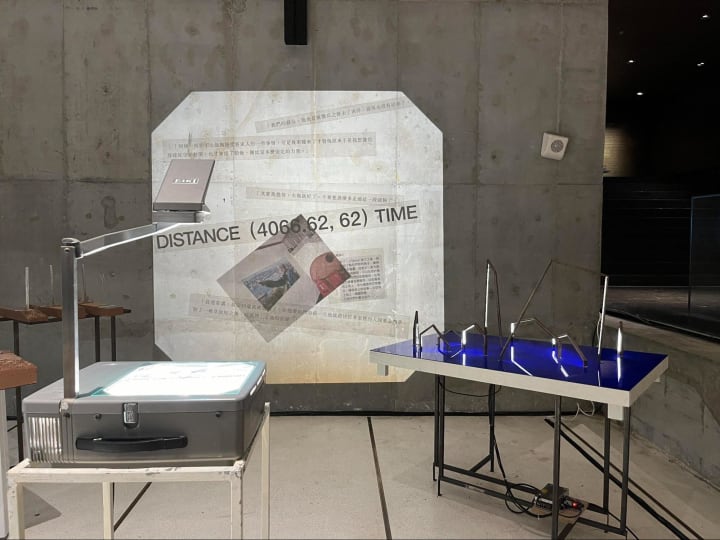
"I work in a lot of different formats. My goal is to be a creative technologist who is multimedia and not limited to just one medium like print or video or projections," Munus explains. “For the Guanxi project, it involved projections and physical installations, but everything was done on the web,” said Munus. “So I’m not really fixated on the format itself—I like to mix it up, and it’s all about how the project fits the concept."
Memorable Tech Projects: (4066.62, 62)
One particularly memorable moment for Munus was showing the work “(4066.62, 62)” at the Hakka Affair Council in Taipei. Driven by a desire to explore their cultural heritage and contribute to meaningful social change, Munus undertook artist residencies in Brooklyn and Taipei, where they embarked on the "Guanxi" project.
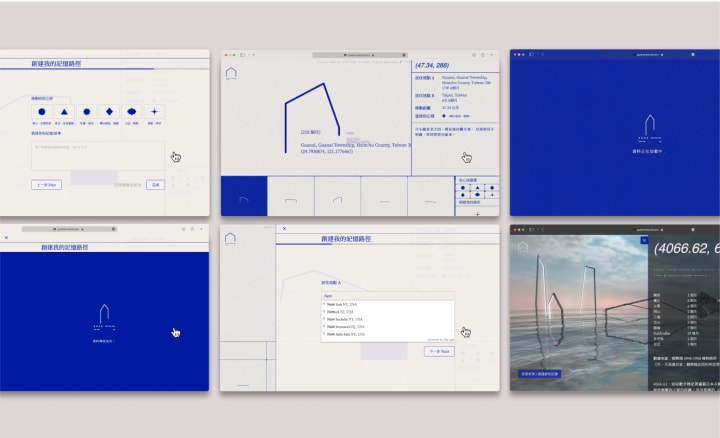
"One project I worked on was the Guanxi project, which is an immigration database focused on the history of Taiwanese Hakka people," Munus explains. "Last year in Guanxi, Taiwan, I collaborated with local Hakka researchers and artists to uncover overlooked WWII migration stories of Hakka soldiers. These soldiers were conscripted by Japan, captured by the Soviets, and later returned to a Taiwan that was politically unrecognizable.”
To honor these histories, they built a poetic, participatory migration database where people could input their stories, which were then sent as morse code to a physical installation. “This was showcased at the Taipei Hakka Affairs Council and aimed to challenge xenophobic narratives while fostering dialogue on identity and belonging," said Munus.
. Later, titled as (4066.62, 62) Munus presented the project that combined web development, projections, physical computing, and a physical print element.
"It was exciting to see how the audience engaged with it, especially because it was such a cross-disciplinary project," they recall. "I’m always exploring different mediums to convey the message, so seeing how it resonates with the viewers in different formats—whether digital or physical—is always a rewarding experience."
Beyond their individual artistic endeavors, Munus is a staunch advocate for open source principles, believing in the power of collaboration and shared knowledge. They co-developed p5.genzine, a beginner-friendly zine-coding JavaScript library, and have contributed to other open-source projects like p5.js and mechanic.design, empowering others to explore the creative possibilities of code.
Munus’s commitment to education extends to their teaching roles at Parsons and Cooper, where they lead courses on Critical Computation, Interaction Design, and Product Design. They have also shared their expertise through talks and workshops at SVA, Creative Coding Festival, Type Electives, Google Dev Festival, and Type@Cooper, inspiring the next generation of creative technologists. Further solidifying their dedication to community building, they co-organized the 2023 Processing Community Day Taiwan.
Brooklyn Brand Studio: Athletics
Munus has gained valuable industry experience as a creative technologist at Athletics, a brand studio in Brooklyn. "Athletics is a brand studio in Williamsburg where I’ve had the opportunity to work with major clients in tech, like Google, Amazon, and Samsung," Munus confirms.
"I was brought on as a creative technologist, helping to manage brands using generative design. My role was described by my boss as that of a technical artist—someone who could create beautiful animations using code. I also worked on websites and digital elements, bridging the gap between design and technology. It was a great environment because I could blend my skills in both areas."
The Innovative Role Of The Creative Technologist
Through their diverse and impactful work, Munus embodies the spirit of innovation and collaboration that defines the best of the creative technology field. They are a testament to the power of embracing one's cultural roots, leveraging technological skills for artistic expression, and fostering a more inclusive and accessible creative landscape for all.
As they continue to bridge worlds and challenge conventional boundaries, Munus is poised to make a lasting impact on the future of art, technology, and beyond.
About the Creator
Lisa Rosenberg
I am a writer based in New York City writing about artists, creative leaders and entrepeneurs.
Keep reading
More stories from Lisa Rosenberg and writers in Interview and other communities.
How Can Designers Collaborate? Philip Wadewitz Explains
Philip Wadewitz is an Australian multidisciplinary designer with a holistic approach to design. He combines strategic and critical thinking with a strong conceptual and design execution to produce thoughtful and appropriate creative outcomes that are meticulously considered and crafted.
By Lisa Rosenberg8 months ago in Interview
Center Stage with Paul Stewart
*** I'm keen to republish the interviews I did for my series with Vocal creators. It's been a few years and I thought it might be nice to revisit these wonderful conversations. I'll be releasing them one at a time for a few weeks/months.
By Heather Hublera day ago in Interview
Hollywood IQ Podcast
Podcasting isn’t the only media format afflicted by name duplication. For example, a search for a book title — Back Home — returns nine titles with that exact name, and numerous more with slight alterations, such as Way Back Home. Song titles have been duplicated, as have movie titles — Missing, Bad Boys, and The Avengers.
By Frank Racioppi5 days ago in Interview



Comments