
An Interview with Abstract Artist Moshe Stahl
Having built his career on his own terms, Moshe Stahl is dedicated to sharing his success with others.

American artist Moshe Stahl is a talented painter. As a New York native, he has an atelier in the city. As an oil painter on canvas, he expressed different ways of creating over the course of his 20-year career. Among Stahl's favorite mediums is oil painting. Taking part in this journey is something he enjoys.
Since middle school, Moshe Stahl has been obsessed with painting and couldn't learn anything at school. The texture and materiality of paint captured his attention - its ability to shrink and grow, and how it can endure both good and bad times with you. At university, he began to develop his style. When he visited art galleries, he was drawn to the small details in paint rather than the whole painting; the cracks and microscopic details made him happy.
Can you explain how abstract and mixed media art are related in your paintings?
Moshe Stahl: The meaning of the word abstraction is: an abstraction of reality or the point of view, as when you look at a tree and interpret it as abstract.
By mixing found objects with textures like wood chips or coffee grounds or tea bags, mixed media creates a painting that may not have any authentic aspects of reality, but interprets reality abstractly.
There are a lot of mixed media collages and abstract art on the market today, how do you differentiate yours?
Moshe Stahl: It's only natural that my work is unique since I am a unique person. I approach my work boldly, deconstructedly and passionately. It is my preference to use offset primary colors, and I have never adhered to using a color chart of primary colors to bind me to convention.
How has your style evolved over the years?
Moshe Stahl: The printmaking part of my career began when I studied with Linda Tamaki. Using collage and monoprints, she guided me to create beautiful works of art. I had the privilege of working with her, and then I studied at The City College of New York.
In addition to monoprints, I have worked on large canvases in a mixed media style. The expanded visual vocabulary I have developed seems to resonate well with my audience. You can learn more about that by watching my latest video.
In response to market demands, my gallery encouraged me to expand my work to include large canvases. As much as the market drives me to create what I love, my own desires are also what motivate me to create.
Considering abstract art is non-representational (without recognizable shapes or figures), where do you draw inspiration from?
Moshe Stahl: Nature, people, and teaching provide me with it. Through suggestions and subtle teachings, the feedback I receive guides me in my process. By incorporating by own feelings and the opinion of my fans, I find a way forward.
Can you describe your creative process?
Moshe Stahl: It is not something I practice every day, but it is something I allow myself to do. As a rule of thumb, I use the rule of thirds and the golden mean. Small surprises that come from whimsy and free-spirited thinking are my favorite.
Is there a reason why you don't adhere to the principle of color theory?
Moshe Stahl: Due to the fact that I paint from my emotions, I do not believe that color theory is important to my art.
It is important for me to explore texture, color, collage, and line explorations, which I think of as my "niche." My work has a personal history . . . my culture. My roots have helped me to explore a classical approach to art.
Through color and composition, abstract art evokes a lot of emotions. What are your techniques for evoking emotion through color and composition?
Moshe Stahl: My art is an evolution of happy accidents that express what I feel at the moment.
About the Creator
Keep reading
More stories from writers in Interview and other communities.
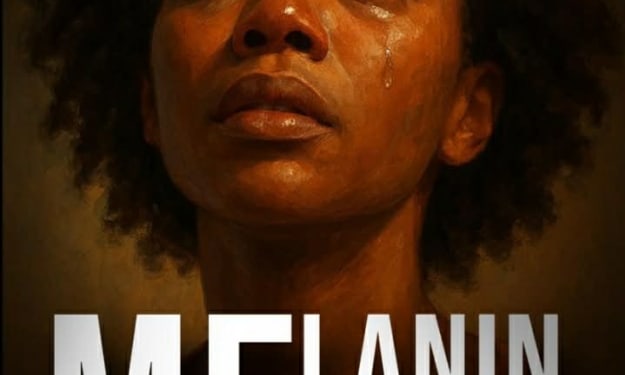
Part 2 Interview With Joe Patterson, Author Of Melanin Memoirs
This is my second interview with Joe Patterson. His 4th anniversary writing on Vocal will be in March 2026. He has one achievement on Vocal, The Other Foot. He has over 17,000 reads on Vocal since he started on Vocal in 2022. Joe Patterson is very creative poet and rapper. Joe is deep thinker and I feel it is reflected in his latest published book, Melanin Memoirs.
By Mariann Carroll20 days ago in Interview
I MADE THE SHADE ROOM!!!!
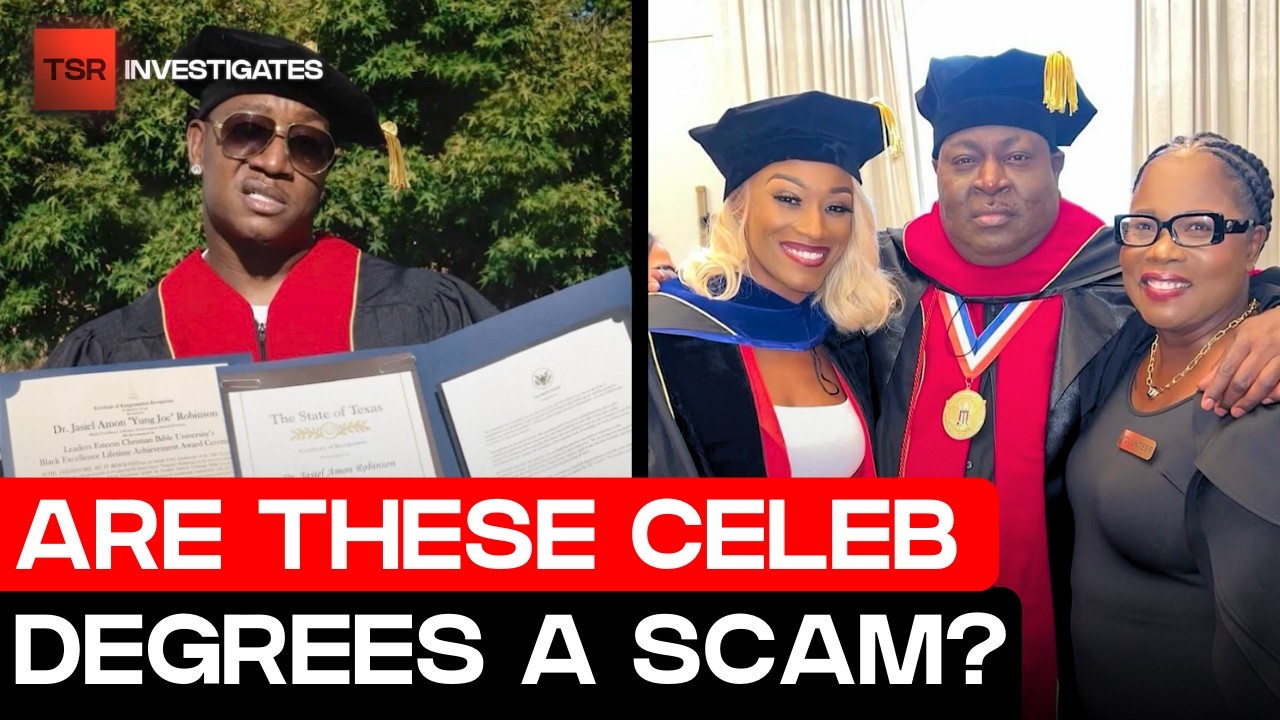
Honestly, this was unexpected but yes I was on the Shade Room. Three months ago, I wrote a story about Celebrities getting Honorary Degrees and how Rapper Young Joc, Reality Stars Cynthia Bailey and Towanda Braxton are receiving their honorary doctorates and accepting their titles from this so-called bible christian university.
By Gladys W. Muturia day ago in Interview


Comments
There are no comments for this story
Be the first to respond and start the conversation.