
Your Entire Body Changes When You Get Older
Many changes take place in older people physically, psychologically, mentally, intellectually, socially, and spiritually.


People live longer today than they did about a hundred years ago. The average life span used to be 47 years. Today, many men live to be at least 75, and many women live to be at least 80.

When you approach your 60s, 70s, and 80s, do not think it is strange when you notice changes in your body. By that time, your body begins to shift, and there are some obvious changes in your appearance as well as in your internal organs.
It is normal for your body not to feel and look like it did when you were younger. Some people embrace getting old while other people don't handle the aging process gracefully.
Experts call it “pure aging” when changes occur in older people's bodies. The changes are normal and happen to every part of the body, from the head to the feet. There is absolutely no way to prevent pure aging.
Your Hair

Two major things happen to your hair as you age. You lose some of it, and what you keep will turn gray.
Your Brain
As you get older, parts of your brain shrink and get smaller. Some parts of the brain slow down, making it difficult to remember some things. You might head to the kitchen for something. By the time you get there, you can't remember why you went there.
Your Face
Your face will become flabby and droopy due to loss of muscle tone and thinning skin. Sagging jowls may make a person look like there is a double chin. Blotches and dark spots on the face increase. Wrinkles cannot be avoided.
Your Eyes
It is normal for older people to have significant changes in their vision. They can no longer thread a needle or read the fine print on their medicine bottles.
The eye muscles are weaker in older people. Many older people give up driving at night because it is hard for them to see well enough to be safe.
Your Ears
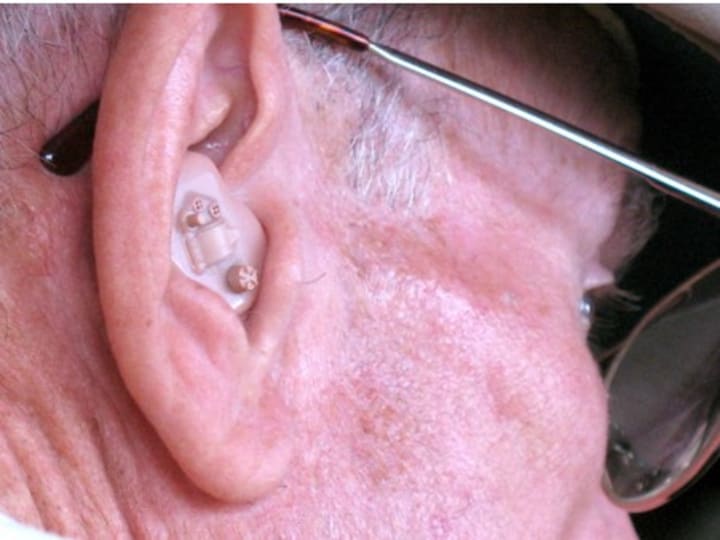
Your ears have two jobs. One job is hearing. The other job is to help you maintain balance. Your equilibrium is controlled by the inner ear. As you age, changes occur in the ear that decrease your ability to hear as you once did. Also, changes in your inner ear may cause problems when sitting, standing, and walking. That's why so many older people fall when there is no obvious reason for them to do so.
Your Sense of Smell
Your sense of smell can lessen after age 70. A loss of nerve endings and less mucus production in the nose may cause your sense of smell to diminish.
Your Teeth
Older adults are more likely to have dry mouth. It is not uncommon for them to wear dentures because of missing teeth. Some older people have missing teeth and receding gums that make their mouth look shrunken.
Your Taste Buds
There may be some loss of taste buds as you age. That might mean you will enjoy food less because it just doesn't taste the way it used to.
Your Heart
You might have noticed that your heart rate has slowed down as you have gotten older. That means it is not pumping as it used to. The walls have become thicker, and valves are stiffer, which greatly impacts blood flow. You might have irregular heartbeats.
Your Skin
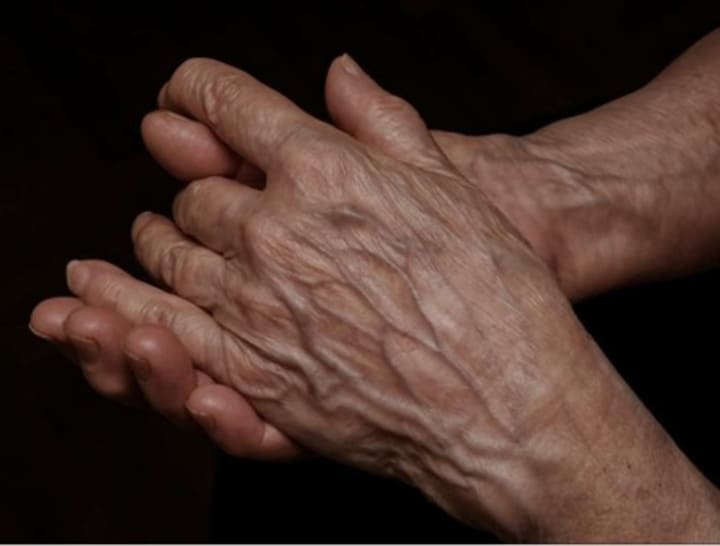
As you get older, your skin becomes thinner with less elastic. It gets drier because it makes less oil, and you don't sweat. Therefore, your skin becomes wrinkled.
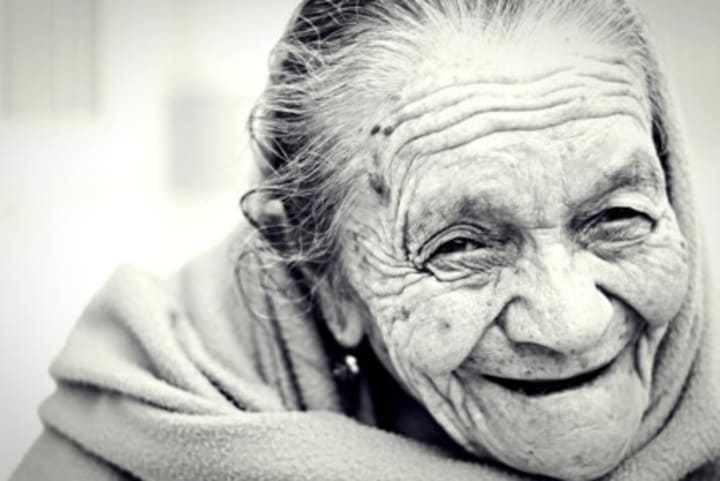
Age spots, moles, and bumps appear all over your skin, especially on your face and neck. Broken vessels sometimes can be seen through the thin skin, and your skin bruises easily.
Your Metabolism
Metabolism slows down as people age. Older people should eat fruits, vegetables, whole grains, low-fat dairy, and lean protein. They need vitamin B12 and vitamin D supplements.
Your Digestive System
Your digestion slows down when you age. Nutrients may not be absorbed as easily. Your stomach lining is more fragile because of the medications you are taking. Eating healthier foods and getting more exercise might help with your digestive system.
Your Bladder
Your bladder can’t hold as much liquid as it once did, and the muscles that support it have lost some strength. Men and women might have an overactive bladder. That's why they might have to get up a couple of times during the night to use the bathroom.
Your Bones, Joints, and Muscles
Your bones and muscles become weaker as you age. About 1 in 4 women and men over 65 have osteoporosis, a bone-thinning disease. Older people often have stiff and painful joints. People in their 70s might lose an inch or two because the disks in their backs become flat.
Your Immune System
As you age, your immune system does not fight disease as easily as it did when you were younger. Older people are more susceptible to illnesses and diseases because the body’s defenses have become weakened.
Your Sleep
Insomnia might be an issue for some people in their 70s. It is normal for older people to take naps during the day.
Your Sexuality
Health problems might be the reason some older people aren't as active. Vaginal dryness in women and erectile dysfunction in men might contribute to the lack of intimacy.
How to Prepare for the Pure Aging Process
You cannot go back in time and become young again, but there are some things you can do to stay healthy and enjoy life as you age. It will help if you could maintain a healthy diet and exercise, even if it is just a little.
The space between the time we are born and the time we die represents the accumulation of many changes that have taken place in us physically, psychologically, mentally, intellectually, socially, and spiritually. From that list, you can see that no parts of us remain the same.
Common Signs
Even though people age at different rates and to varying degrees, there are common signs of aging.
- Wrinkled, cracked, and sagging skin.
- Hearing loss begins in some people around 75 years old.
- By age 80, more than half of all Americans have cataracts.
- Teeth fall out.
- Hair turns gray or white and falls out around the age of 50.
- Changes become obvious in posture, movement, and balance.
- Urinary incontinence develops.
- Forgetfulness is common.
- Naps become necessary during the day.
- Nails grow more slowly as one gets older.
About the Creator
Margaret Minnicks
Margaret Minnicks has a bachelor's degree in English. She is an ordained minister with two master's degrees in theology and Christian education. She has been an online writer for over 15 years. Thanks for reading and sending TIPS her way.
Keep reading
More stories from Margaret Minnicks and writers in Humans and other communities.
Positive Things People Have Said About Me From A To Z
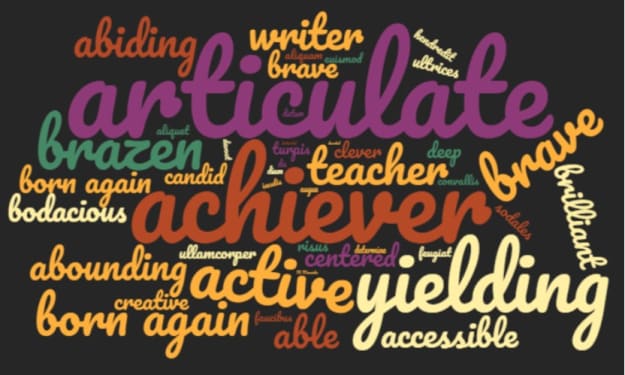
I never forget when people describe or analyze me in a positive way. On my 80th birthday on July 23, 2025, I reflected on all those positive words people have shared with me over the years. The positive descriptions are compilations from authority figures, physicians, teachers, counselors, therapists, pastors, employers, students, friends, and family members. You will see in the following capsules below many of the positive words and expressions people have used to describe me.
By Margaret Minnicks3 days ago in Humans
How to Date a Guy Online Without Getting Ghosted
Online dating has transformed the way Generation Z connects, flirts, and forms relationships. Apps make it easy to meet people, but staying connected is the real issue. Ghosting is prevalent, aggravating, and frequently perplexing. We're left wondering what went wrong and if we said the wrong thing. The reality is simple. Dating a guy online without being ghosted requires clarity, timing, and emotional awareness.
By Relationship Guide4 days ago in Humans
The steps to losing a child
Step One: Lose a child. Not what anyone wants to happen and nothing you can do to change it, but you can go through steps to becoming happy again. You can go through steps to loving again. You can go through steps to become a new you because after losing a child you will never be the same person you once were.
By Tabitha Hinkley2 days ago in Fiction


Comments
There are no comments for this story
Be the first to respond and start the conversation.