
Women Defenders: Fighting for Rights in Taliban-Controlled Areas
In the shadows of repression, brave Afghan women risk everything to defend education, freedom, and dignity.

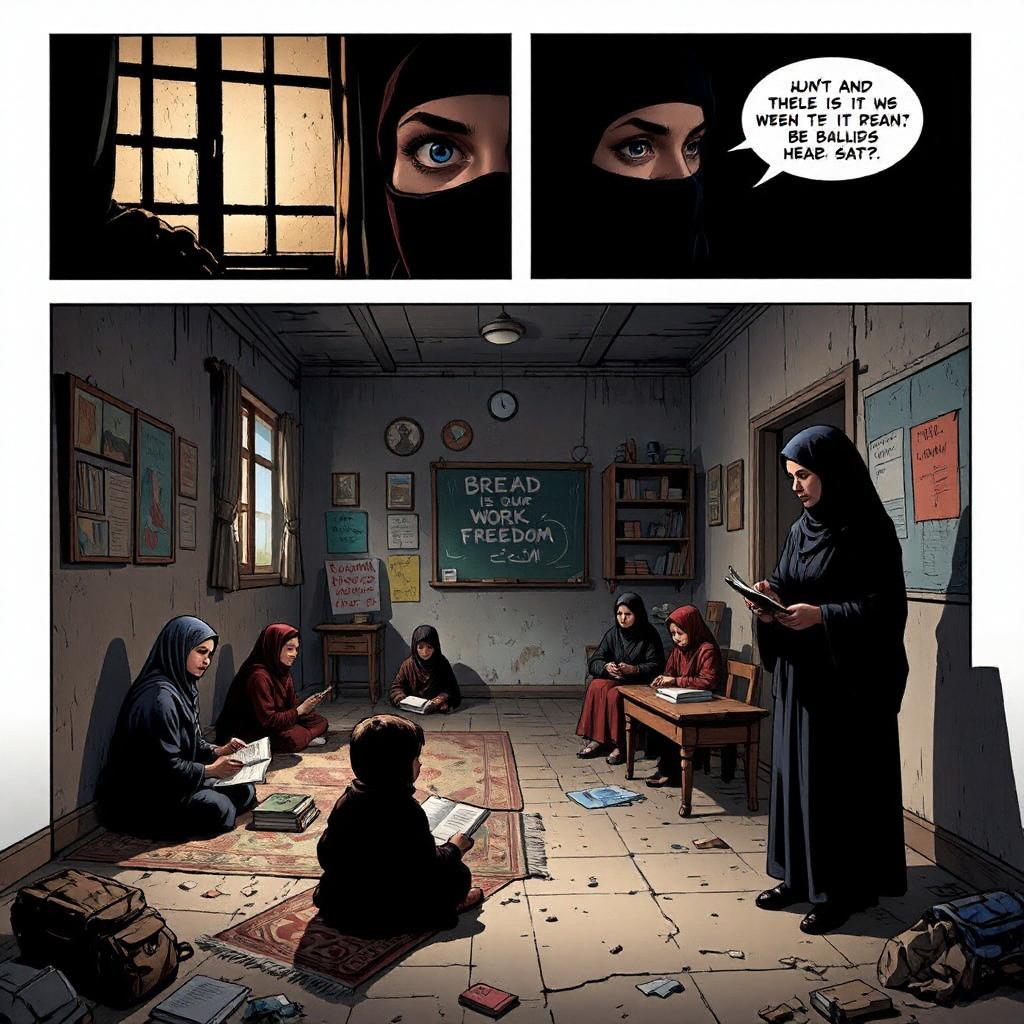
When the Taliban returned to power in Afghanistan in August 2021, the world watched with dread. Many feared what the regime would mean for women’s rights, education, and freedom — fears that quickly turned into reality. Girls were banned from secondary schools, women were removed from jobs, and even the simple act of walking freely became dangerous. Yet, despite this suffocating environment, a new kind of heroism emerged: Afghan women who refused to be silent.
These women — teachers, journalists, lawyers, mothers, and students — have become defenders of dignity in a country where speaking out can mean imprisonment, torture, or death. Their fight is not in grand halls or global stages but in underground classrooms, hidden meeting rooms, and encrypted online forums. With courage as their only weapon, they are writing a new chapter in the history of women’s resistance.
Voices in the Dark
One of these voices is 27-year-old Fatima, a former high school teacher in Kabul. After the Taliban shut down girls’ schools, she turned her home into a secret classroom for girls in her neighborhood. She teaches them math, science, and English — subjects now forbidden to them. The risks are high. If discovered, Fatima could be arrested or worse. But she says:
“If we stop now, they win. Education is our power, and they fear that.”
Her story is echoed across the country. Underground education networks have spread, run by brave women who believe in a future that’s not yet visible. These women are hunted, yet they persist — not for fame or recognition, but because they believe no girl should grow up in darkness.
Digital Resistance
The Taliban may control the streets, but they cannot fully control the digital world. Many women have taken to social media using anonymous accounts to report abuses, organize protests, and share educational resources. A woman known online as Zarmina Writes posts daily updates on women’s conditions in Taliban-run areas. Her identity is unknown, but her words inspire thousands.
Protests have also erupted despite the risks. In Herat, women marched boldly in 2022 chanting “Bread, Work, Freedom” — echoing global movements for justice. Though the march was violently suppressed, it became a symbol of unbroken spirit.
Global Silence, Local Courage
What makes these stories even more powerful is that much of the world has gone silent. International media coverage has dwindled. Foreign aid is restricted. Many governments have resumed cautious relations with the Taliban. But Afghan women continue to resist — with little support and no headlines.
Human rights organizations warn that the situation is worsening. According to Amnesty International, Afghanistan is now one of the worst places in the world to be a woman. Yet even in this darkness, Afghan women are proving that courage doesn’t need permission.
Support from the Shadows
Some women’s rights activists have escaped to other countries but continue to support those still inside Afghanistan. They send money, resources, and moral support through encrypted apps and secret channels. One activist now based in Germany said:
“Our sisters are not forgotten. We amplify their voices and keep their stories alive.”
These networks show the strength of global sisterhood — a bond that tyrants cannot break.
The Price of Defiance
Not all stories end in triumph. Some women defenders have been arrested, beaten, or forced into silence. A few have disappeared without a trace. Their sacrifices remind us that this is not just a struggle for rights, but for survival.
Despite this, the movement grows. Every whisper of defiance, every hidden classroom, every protest — they all push back against fear. Afghan women are not waiting for freedom to arrive; they are building it with every breath they take.
A Future Not Yet Written
The women defenders of Afghanistan are more than victims. They are warriors — not with guns, but with books, voices, and unstoppable will. They carry the dreams of millions of girls on their backs. And while the world may not always see them, they march on, leaving footprints of resistance in the dust.
One day, history will remember them not just as survivors, but as the ones who refused to bow — who dared to teach, to speak, and to dream under the weight of tyranny.
About the Creator
Nazim Ali
Hi, I’m Nazim Ali — a writer passionate about stories that connect, inspire, and challenge. On Vocal, I share personal narratives and thought-provoking content on mental health ,relationships, culture ,life lessons, motivation,social issues
Bird's gift
Dino the Potter and the Golden Wheat In a small village lived a potter named Dino. Dino was a master of his craft. He could make beautiful and durable pots from clay. One day, the village’s generous landlord was so impressed by one of Dino’s pots that he gifted him a small piece of farmland.
By Sudais Zakwan4 days ago in Humans



Comments
There are no comments for this story
Be the first to respond and start the conversation.