
Winter Storm Watch and the Quiet Anxiety Before Snow Arrives
A winter storm watch does not arrive with thunder or sirens. It arrives quietly, tucked into a weather app notification or scrolling across the bottom of a screen.

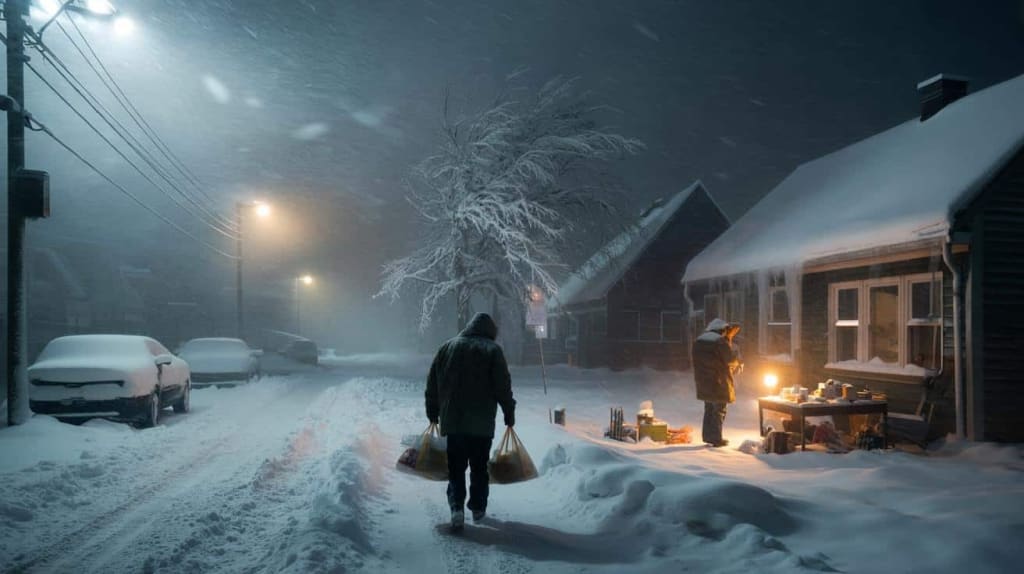
A winter storm watch does not arrive with thunder or sirens. It arrives quietly, tucked into a weather app notification or scrolling across the bottom of a screen. Still, it changes how people feel. Groceries suddenly matter more. Roads feel uncertain before the first flake falls. Parents glance at school schedules. Elderly neighbors cross minds. A winter storm watch is not a storm itself, but it carries anticipation, worry, and preparation all at once. It sits in that uncomfortable space between normal life and possible disruption. Understanding what it means, and how it affects daily choices, helps turn fear into calm readiness instead of panic.
What a Winter Storm Watch Really Means
A winter storm watch means conditions are favorable for significant winter weather. This can include heavy snow, sleet, freezing rain, or a mix of all three.
It does not guarantee a storm will hit. It signals that one is possible within a certain time frame, often 24 to 48 hours away.
This distinction matters. A watch is about awareness, not certainty. It is the weather service saying, “Pay attention. Things could change.”
That uncertainty is what creates anxiety for many people.
Watch vs Warning vs Advisory
Weather terms can feel confusing, especially during winter.
A winter storm watch means potential.
A winter storm warning means it is happening or about to happen.
A winter weather advisory means conditions are less severe but still disruptive.
People often hear “watch” and assume the worst. In reality, it is a chance to prepare without panic.
Understanding these terms helps people respond appropriately instead of reacting emotionally.
Why Winter Storm Watches Trigger Anxiety
Winter weather disrupts routine more than many other weather events.
Snow and ice affect transportation, power, school schedules, and access to essentials. Even a small change in temperature can shift outcomes dramatically.
A winter storm watch sits in the unknown. People imagine worst-case scenarios because winter storms are unpredictable.
Unlike rain, snow lingers. Ice stays dangerous long after it falls. That lingering effect weighs on the mind.
The Role of Memory in Winter Storm Fear
Many reactions to a winter storm watch come from memory.
People remember being stuck on highways, losing power overnight, or slipping on icy steps. These experiences leave emotional marks.
When a watch is announced, the brain revisits those moments automatically.
Someone who once lost heat during a blizzard reacts differently than someone who only remembers snow days and quiet streets.
These personal histories shape how seriously a watch is taken.
How Meteorologists Decide to Issue a Watch
Meteorologists rely on models, data, and patterns. They study temperature, moisture, wind, and pressure systems.
A winter storm watch is issued when confidence is growing, but details are still unclear. The storm track might shift. Temperatures might change slightly.
Those small differences can decide whether an area gets rain, snow, or ice.
This is why forecasts evolve. It is not indecision. It is careful adjustment as new data arrives.
Timing Matters More Than People Realize
One of the biggest challenges with winter storms is timing.
Snow falling at night affects roads differently than snow during rush hour. Ice forming before sunrise creates hidden danger.
A winter storm watch often covers a wide window. That makes planning harder.
People wonder when to leave work, whether to cancel plans, or how early to prepare.
This uncertainty fuels stress more than the storm itself.
How a Watch Affects Daily Decisions
Once a winter storm watch is announced, behavior changes.
People stop for extra groceries. Gas tanks get filled sooner. Batteries and flashlights resurface from drawers.
Employers start discussing remote work. Schools prepare early dismissal plans.
Even if the storm weakens, these small shifts show how powerful anticipation can be.
The watch changes choices before weather changes conditions.
Schools and the Weight of Early Decisions
School administrators face difficult calls during winter storm watches.
Cancel too early and families struggle with childcare. Cancel too late and safety is at risk.
Parents feel that tension too. They watch forecasts closely, trying to plan workdays around possible closures.
For children, a watch can bring excitement or worry, depending on past experiences.
The emotional ripple spreads quietly through households.
Roads, Ice, and the Illusion of Control
Driving is one of the biggest fears tied to a winter storm watch.
Snow reduces visibility. Ice removes traction. Plows cannot be everywhere at once.
People often overestimate their control behind the wheel. Winter storms expose that vulnerability.
A watch is a reminder that slowing down is sometimes the safest choice.
Staying home when possible can be an act of wisdom, not weakness.
Power Outages and the Fear of Cold
For many, the real fear is not snow, but darkness and cold.
Ice storms, in particular, bring down power lines. Homes lose heat. Food spoils. Communication becomes harder.
A winter storm watch raises the question: what if the power goes out?
That question pushes people to prepare blankets, charge devices, and check generators.
Preparation becomes comfort.
How Preparation Reduces Anxiety
Preparation is the quiet answer to fear.
Knowing you have food, warmth, and light reduces mental strain. Even simple steps matter.
Checking flashlights. Filling water containers. Bringing in pets.
These actions create a sense of readiness that calms the nervous system.
A winter storm watch becomes less threatening when preparation replaces helplessness.
The Role of Community During Winter Storms
Winter storms reveal how connected people are.
Neighbors check on each other. Strangers help push cars. Communities share updates.
A watch gives time to think beyond oneself. Who might need help? Who lives alone?
These moments remind people that safety is often collective, not individual.
The storm may isolate, but preparation can bring people closer.
Rural vs Urban Responses to a Watch
Reactions to a winter storm watch differ by location.
Urban areas worry about traffic congestion and public transit delays. Rural areas worry about isolation and access.
In cities, salt trucks and plows arrive quickly but cannot cover every street.
In rural areas, residents often rely on personal readiness and experience.
Both settings carry different risks, shaped by geography and resources.
How Media Coverage Shapes Perception
Media coverage can heighten fear or offer clarity.
Constant alerts, dramatic language, and repeated visuals increase anxiety.
Clear explanations help people understand what to expect without panic.
A winter storm watch benefits from calm reporting that focuses on preparation, not fear.
Tone matters as much as information.
Social Media and the Spread of Worry
Social media amplifies reaction.
Photos from other regions, speculation, and rumor spread quickly. People compare notes and fears.
One dramatic post can feel more convincing than official forecasts.
While sharing information can help, it can also escalate worry.
Choosing reliable sources becomes important during a watch.
The Science of Snow and Ice
Snow forms when moisture freezes into crystals. Temperature determines shape and density.
Heavy wet snow stresses trees and power lines. Light dry snow drifts easily.
Ice forms when rain freezes on contact. It is often more dangerous than snow.
A winter storm watch may involve one or all of these elements.
Understanding the type of threat helps people prepare more effectively.
Why Ice Storms Are Especially Dangerous
Ice storms are often underestimated.
A thin layer of ice can shut down roads, cause falls, and collapse branches.
Unlike snow, ice is harder to remove. It clings to surfaces.
A winter storm watch mentioning ice deserves serious attention.
Ice storms often cause longer-lasting damage than snowstorms.
Pets and Winter Storm Preparation
Pets feel winter storms too.
Cold temperatures, power outages, and stress affect animals differently.
Bringing pets inside, stocking food, and ensuring warmth matters.
A watch is a good reminder to plan for pets as part of the household.
Their safety contributes to emotional comfort during storms.
Elderly and Medically Vulnerable People
Winter storms pose higher risks for elderly and medically vulnerable individuals.
Cold, limited mobility, and power outages can be dangerous.
A winter storm watch is a chance to check medications, medical equipment, and heating.
Family members and caregivers often feel increased responsibility during these times.
Preparation can prevent emergencies later.
Workplaces and Weather Responsibility
Employers face choices during winter storm watches.
Some wait for conditions to worsen. Others plan early.
Clear communication reduces stress for employees. Uncertainty increases it.
Flexible policies during winter weather can prevent accidents and anxiety.
A watch invites thoughtful leadership.
Emotional Exhaustion From Repeated Storms
In regions with frequent winter storms, repeated watches can lead to fatigue.
People become numb or dismissive. Others feel worn down.
This emotional exhaustion can reduce preparedness over time.
Balancing awareness with rest is important during long winters.
When a Watch Turns Into Nothing
Sometimes a winter storm watch leads to little impact.
Temperatures change. Storms shift. Snow falls elsewhere.
This can lead to frustration or skepticism.
But false alarms are part of safety systems. They favor caution over regret.
A quiet outcome does not mean the watch was unnecessary.
Teaching Children About Winter Weather
Children learn how to respond by watching adults.
Explaining what a winter storm watch means helps reduce fear.
Turning preparation into routine can make it feel normal, not scary.
Calm conversations create confidence instead of anxiety.
These lessons stay with children long after winter passes.
Mental Health and Seasonal Stress
Winter already brings shorter days and lower energy for many people.
A winter storm watch can add emotional weight.
Isolation, disrupted routines, and uncertainty affect mental health.
Acknowledging this stress matters.
Small comforts, connection, and rest help balance the strain.
The Quiet Hours Before Snow Begins
There is a unique stillness before a winter storm.
The air feels heavy. The sky changes color. Sounds soften.
During a winter storm watch, people sense this shift before it arrives.
That quiet can feel peaceful or unsettling.
It marks the moment between warning and reality.
Respecting Nature Without Fear
A winter storm watch is not a threat. It is information.
Nature follows patterns beyond human control.
Respecting winter weather means acknowledging risk without panic.
Preparedness allows people to meet storms with calm awareness.
Fear fades when respect takes its place.
After the Storm Passes
Once the storm ends, attention turns to recovery.
Clearing snow, restoring power, checking on neighbors.
The watch becomes memory, replaced by lived experience.
People reflect on what worked and what did not.
These reflections shape future responses.
Lessons Learned From Winter Storm Watches
Every winter storm watch offers lessons.
Some are practical. Others are emotional.
They teach patience, readiness, and humility.
They remind people of interdependence and resilience.
Even uneventful watches contribute to understanding.
Looking Ahead With Awareness
Winter will return each year. So will storm watches.
They are part of living in cold climates.
Responding with awareness instead of anxiety makes winter manageable.
A watch is a pause, not a panic.
It invites preparation, reflection, and care.
Conclusion
A winter storm watch is more than a forecast. It is a moment of anticipation that touches daily life in quiet ways.
It stirs memory, responsibility, and emotion before a single snowflake falls.
Understanding what it means helps replace fear with readiness.
Preparation turns uncertainty into calm.
When the snow finally arrives, or passes by, people are reminded that winter is not just something to endure.
It is something to meet with respect, patience, and care.
About the Creator
Muqadas khan
Hi! Welcome to my Vocal page. I’ll be sharing fresh articles every day covering stories, ideas, and a bit of inspiration to brighten your feed. Thanks for reading and supporting daily writing! 📖💫
Keep reading
More stories from Muqadas khan and writers in Humans and other communities.
Valentino: The Fashion House That Built Beauty and Silence
There are fashion names that shout, and then there are names that whisper and still command the room. Valentino belongs to the second kind. For decades, the name has carried a sense of quiet confidence, deep romance, and careful restraint. It does not chase attention. It waits for the right moment. Many people know Valentino through red gowns, soft tailoring, and a feeling that lingers rather than dazzles. But behind the elegance is a story shaped by patience, discipline, and a belief in beauty that does not need to explain itself. To understand Valentino is to understand how fashion can speak softly and still be remembered.
By Muqadas khana day ago in Humans
The CEO of Everything
They say "jack of all trades, master of none," but they forgot to mention the part where the jack of all trades is also the camera woman, the makeup artist, and the person currently yelling at a tangled Wii microphone cable in a her own bathroom while recording herself singing and trying to make it look realistic and professional. (As professional as you can make it with nothing but a cell phone camera and a mic that doesn't work)
By Sara Wilson4 days ago in Humans


Comments
There are no comments for this story
Be the first to respond and start the conversation.