
“Why We’re Obsessed With Time — And What We Lose Chasing It”
How Our Fixation on Time Steals Moments That Matter

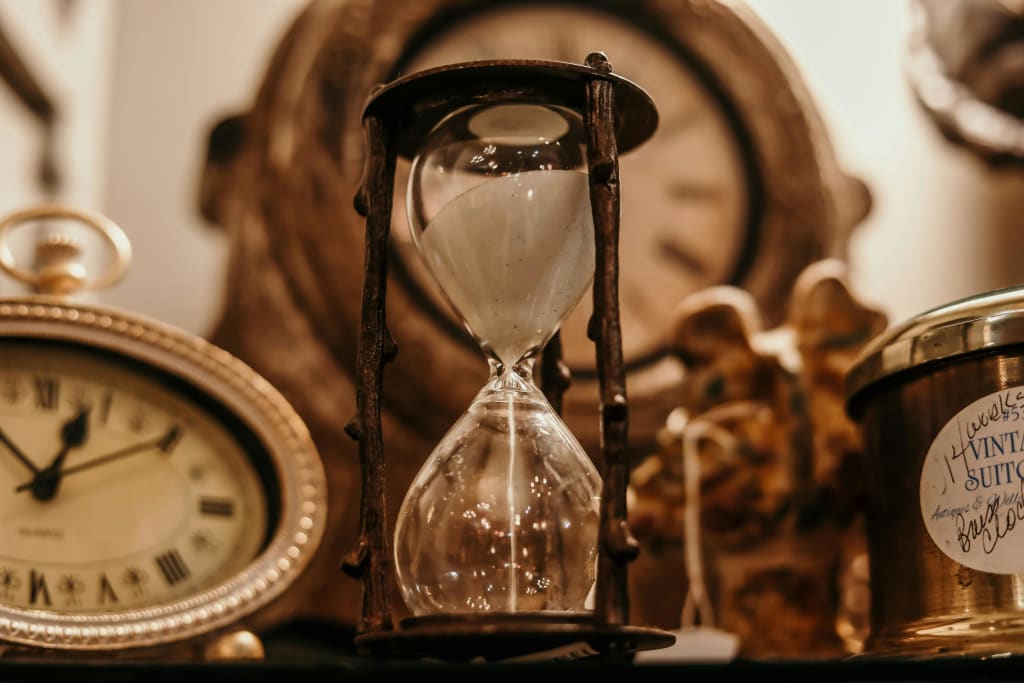
We live in a world ruled by clocks. From the moment we wake up to the buzzing alarm on our phones, to the deadlines that dictate our workdays, to the countdowns for appointments and events — time governs almost everything we do. We obsess over it, track it, measure it, and try desperately to manage it. But in this relentless race against the clock, what are we really chasing? And more importantly, what are we losing along the way?
The Age of Time Pressure
Our obsession with time didn’t start yesterday. It grew as societies industrialized, when factory whistles blew signaling the start and end of shifts. Suddenly, time wasn’t just a natural cycle of days and nights—it became a resource to be bought, sold, and optimized. In today’s fast-paced digital world, the pressure to “make every second count” has never been greater.
Smartphones buzz with reminders, calendars overflow with tasks, and productivity apps promise to help us squeeze more out of every minute. But all this emphasis on efficiency can backfire. Instead of freeing us, it often traps us in a vicious cycle of busyness — where the next deadline or goal is always looming.
The Illusion of Control
Why are we so obsessed with controlling time? One answer lies in our human desire for certainty. Time seems like a measurable, manageable element in an otherwise unpredictable world. By scheduling, planning, and tracking, we tell ourselves we have control over life’s chaos.
But time is not a commodity we can actually hold in our hands or extend at will. It flows, unstoppable and indifferent to our plans. When we fixate on managing it perfectly, we risk missing the spontaneous, imperfect moments that give life meaning.
What We Lose in the Chase
In the pursuit of “saving time,” we often sacrifice presence. Think about the last time you were in a conversation but distracted by checking your watch or phone. Or when you hurried through a meal just to get back to work or errands. Those moments, small as they seem, are where connection and joy live.
When time is treated like a task, relationships become another box to tick. We may be physically present, but mentally elsewhere — focused on what’s next. Over time, this erodes intimacy and leaves us feeling isolated, even if our schedules are packed.
Another hidden loss is creativity and reflection. Many of our best ideas come when we’re not rushing — when the mind has space to wander and breathe. Constant busyness clogs this creative flow, making us less innovative and more prone to burnout.
The Pressure to Perform
Modern culture often equates productivity with worth. “Busy” becomes a badge of honor, a sign we’re contributing, achieving, and living fully. But this mindset can be toxic. It conditions us to feel guilty for resting, relaxing, or simply doing “nothing.”
This relentless pressure can lead to chronic stress, anxiety, and even physical health problems. Ironically, in trying to conquer time, we end up robbing ourselves of the very energy and focus we seek.
Learning to Let Go
So, how can we break free from this obsession? The answer isn’t about having more time — it’s about changing our relationship with it.
Practice Presence: Mindfulness teaches us to fully experience the here and now. Whether it’s savoring a meal, enjoying a walk, or listening deeply to someone, presence enriches life beyond schedules.
Prioritize What Matters: Not every moment needs to be optimized. Identify what truly brings you joy and fulfillment — and give those things the time and attention they deserve.
Embrace Imperfection: Life isn’t a perfectly timed machine. Sometimes, being late or taking a break is okay. Accepting this frees us from unnecessary pressure.
Create Margin: Build buffer times into your day. Allow space for rest, creativity, and unexpected moments. This margin is where life’s magic often happens.
A Different Perspective on Time
Many ancient cultures saw time differently than we do. Rather than a linear resource, time was cyclical — seasons, nature, and life itself followed rhythms beyond clocks and calendars. This cyclical view honored rest and renewal as essential parts of living.
Perhaps reconnecting with this perspective can help us rediscover balance. Instead of racing through life, we might learn to flow with its natural rhythms, appreciating moments as they come rather than always chasing what’s next.
Conclusion: What If We Stopped Chasing?
Imagine waking up without an urgent checklist, without the constant ticking in your mind. What if we valued moments of stillness as much as moments of productivity? What if time wasn’t something to conquer but something to live with, gently and fully?
Our obsession with time reveals our deep human desire to make the most of life. But in chasing it relentlessly, we risk losing the very experiences that make life meaningful. Maybe the real gift isn’t more time — it’s learning how to be truly present in the time we have.
About the Creator
Moments & Memoirs
I write honest stories about life’s struggles—friendships, mental health, and digital addiction. My goal is to connect, inspire, and spark real conversations. Join me on this journey of growth, healing, and understanding.
Keep reading
More stories from Moments & Memoirs and writers in Humans and other communities.
"The Smile I Thought I Lost"
I asked God to give me my smile back, and He gave me you. For the longest time, I thought my smile had died with my past. I didn’t mourn it all at once. It faded slowly, like a sunset no one notices until the world is suddenly dark. And when it was gone, so was I—at least the version of me I used to recognize in mirrors and photos.
By Moments & Memoirs9 months ago in Humans
The 20 Traits That Make a Woman Truly Worth Marrying
Most people spend years searching for the perfect partner, but they often look in the wrong places. The truth is, the right woman is not defined by beauty or status — she is defined by the qualities she carries in her heart and character.
By Zakir Ullah5 days ago in Humans



Comments
There are no comments for this story
Be the first to respond and start the conversation.