
Why We Can’t Eat and Drink Like Wild Animals Anymore
The Evolution of Human Consumption in a Changed World

Every now and then, someone asks a question so simple that it stops you in your tracks. One of those questions recently came from a post by Karl Jansson:
"Why can't humans drink water directly from a river like other animals in the forest or eat food directly from the ground like dogs and cats? Aren’t we animals too?"
It’s a fair question. On the surface, it seems like we’ve drifted far from our roots. Animals in the wild drink from streams and eat off the ground every single day. So why can’t we? Why have we created such a distance between ourselves and nature?
The answer is not just about biology. It’s about evolution, the environment, and how our way of life has shifted the balance between survival and safety.
Yes, We Can, But There’s a Catch
Karl makes a great point: humans can drink water from rivers and eat food straight from nature — and we often do. In remote, untouched regions, hikers and survivalists drink from clear mountain springs. In home gardens, we pick tomatoes and berries and eat them right off the vine.
But the key difference lies in where and how we do it.
In wild, unpopulated places, water sources are often cleaner because they’re far from human activity and industrial pollution. But near cities, towns, and farms, water can contain harmful bacteria, chemical runoffs, or parasites. Drinking straight from these sources could mean welcoming an uninvited guest into your body, anything from giardia to E. coli.
It’s not that we’ve lost the ability. It’s that our surroundings have changed, and with that, so has the risk.
Parasites and Pathogens: The Price of the Wild
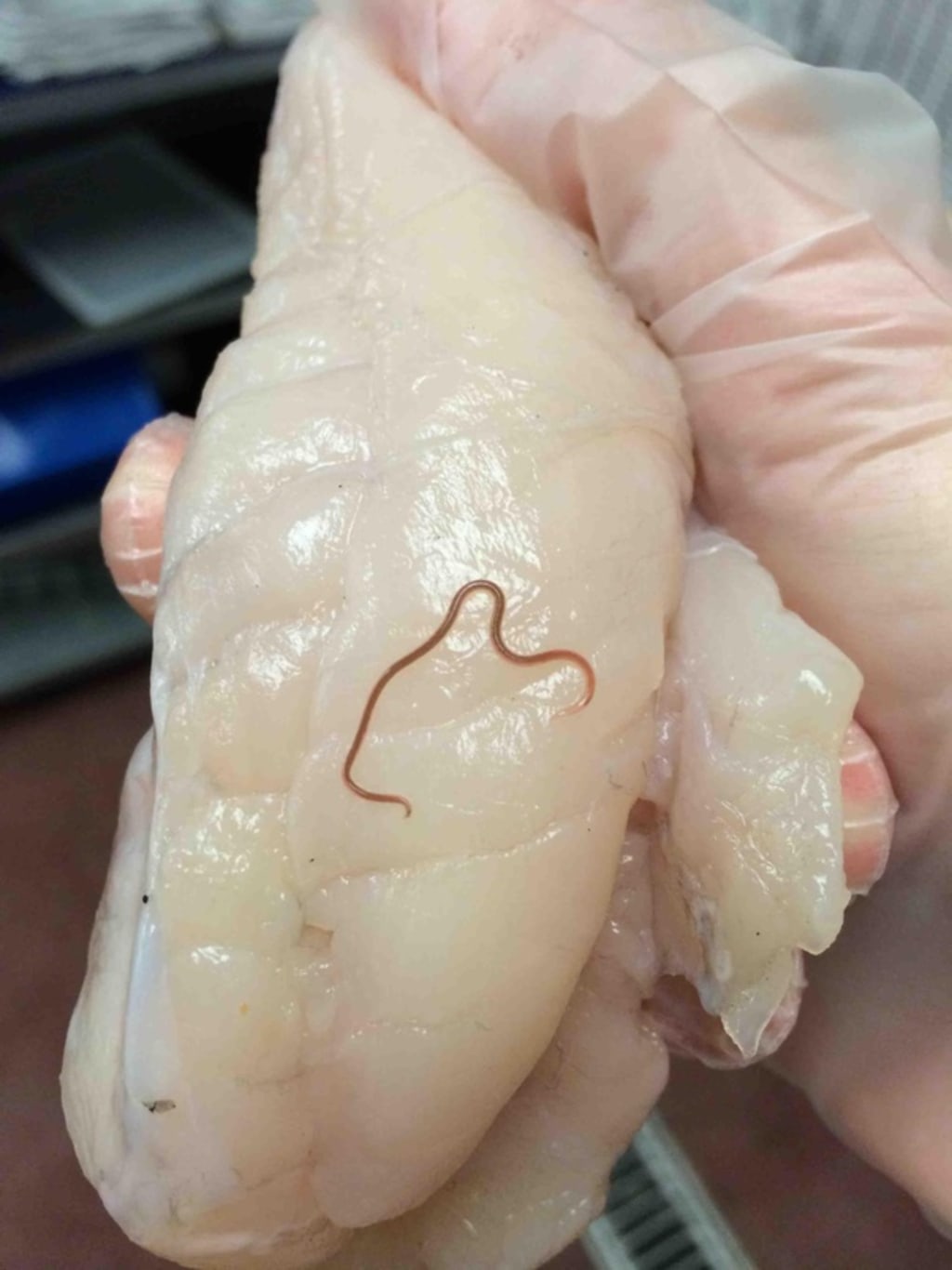
Wild animals live with parasites all the time. In fact, many predators, including wolves, foxes, and wild cats, are constantly battling internal parasites. Domesticated pets like dogs and cats also need deworming from time to time, something that highlights just how common it is, even in controlled environments.
The food chain in the wild is a rough place. Animals often survive not by being free of disease, but by adapting to tolerate a certain level of it. And let’s be honest, their lifespans are often much shorter, partly due to these health risks.
Humans, on the other hand, have taken a different route. We decided to fight back with tools: fire, hygiene, medicine, and agriculture. We started washing vegetables, boiling water, and cooking meat. Not because we’re fragile — but because we could afford to care about longevity, not just survival.
Our Immunity Isn’t Weak, It’s Selective
There’s a common myth that humans are “weaker” because we don’t eat dirty food or drink wild water. That’s not true. Our immune systems are still robust, but they are adapted to the environments we now live in.
Think of it this way: a person living in a city and another living in a rainforest are conditioned to deal with entirely different bacterial ecosystems. Neither is “stronger” or “weaker.” They’re just adapted to their circumstances.
Modern Life: A Blessing and a Barrier
So, why don’t we drink from rivers or eat off the ground like animals? Because we’ve created a life where we don’t have to. We’ve built a world of standards, clean water, refrigerated food, and advanced sanitation. But that comfort comes with a trade-off: less direct contact with the kind of natural resilience wild animals build daily.
The irony is, the more we try to stay safe and clean, the more foreign the natural world feels to us. Our bodies are no longer tuned to handle raw nature the way they once might have been. And honestly, maybe that’s okay. We’ve evolved into a different kind of animal, one that uses its mind and tools as its greatest survival mechanism.
About the Creator
Faraz
I am psychology writer and researcher.



Comments
There are no comments for this story
Be the first to respond and start the conversation.