
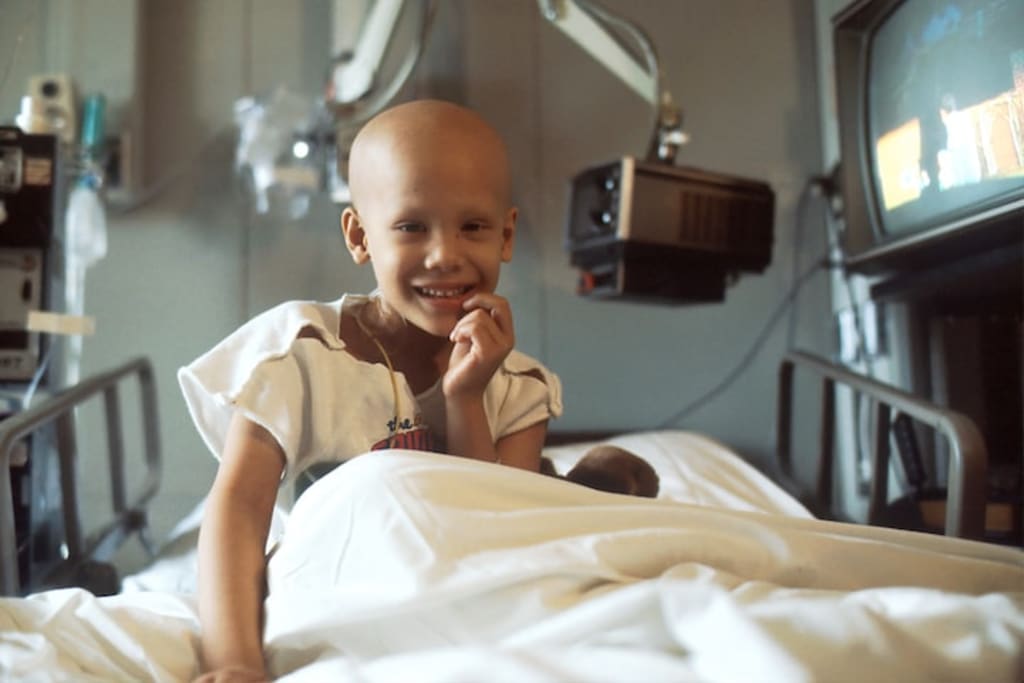
The Cancer Battle Unveiled: From Inception to Triumph
Cancer, a word that evokes fear and uncertainty, is a formidable adversary that has challenged medical science for decades. Understanding the intricate phases of cancer development and the ongoing efforts to combat it provides a glimmer of hope in the face of this formidable foe.
1. The Elimination Phase
The journey into cancer's realm begins humbly, with a single corrupted cell. This cell loses its ability to repair its genetic code, setting off a chain reaction. It loses its ability to self-destruct, leading to uncontrolled multiplication. At this point, the situation is precarious but not dire – the cell's danger lies in the potential it holds. Over several weeks, the corrupted cell gives rise to numerous copies of itself. The progeny, however, inherit more mutations, branching into diverse genetic lineages. These lineages cooperate and compete, each striving for dominance. Some become weaker due to mutations, while others remain unchanged. A few grow stronger, adapting better to survival. Together, they form a small tumor, not yet a full-fledged cancer but on its way.
The growing tumor craves resources, and to thrive, it needs sustenance. Cells deprived of food and oxygen usually perish, resolving the problem. Unfortunately, a few corrupted cells acquire a mutation that saves them – the ability to stimulate the growth of new blood vessels. The body, unknowingly, provides the very resources these cells need to flourish. As the tumor expands, it wreaks havoc – nearby healthy cells starve and die, drawing attention to its presence. It's akin to a rogue settlement, a "Tumor Town," growing in the midst of a thriving city.
Imagine this settlement erected by rebels in Brooklyn, existing alongside the established city. As the rebel town aims to grow, it orders construction materials, erecting structures haphazardly. New buildings disrupt the existing infrastructure, overshadowing playgrounds and streets. Former residents are trapped, facing starvation. This chaos persists until the stench of decay attracts notice. Building inspectors and law enforcement intervene. Similarly, the immune system is triggered by the scent of dying cells. Immune cells, like Macrophages and Natural Killer Cells, infiltrate the tumor, acting as police and first responders, attacking and consuming tumor cells. These immune cells release signals, alerting the entire immune system to the presence of a threat. Dendritic Cells, akin to intelligence officers, collect samples of dead tumor cells, sparking the activation of Helper and Killer T Cells – specialized immune cells designed to combat danger. These T Cells carry a catalog of potential threats.
2. The Equilibrium Phase
Although each cancer is unique, certain genetic abnormalities are consistent and easily identifiable. T Cells recognize these signatures, making them potent cancer killers. By this point, the tumor has grown substantially, but the T Cells are entering the scene. These T Cells halt the growth of new blood vessels, cutting off the tumor's lifeline, starving thousands of cells, and stalling their proliferation. This phase is reminiscent of inspectors disabling utilities and setting up barriers in "Tumor Town" to halt construction and supplies. The tumor's population dwindles, and T Cells eliminate large numbers of tumor cells, while Macrophages clean up the remnants and spur healthy tissue regeneration. The body effectively eradicates the illicit "Tumor Town."
The tumor's desperate fight for survival leads to unintended consequences. The immune system inadvertently selects the fittest tumor cells. This prompts the emergence of more resilient lineages that elude the immune response. The cycle repeats – the immune system attacking, the tumor evolving. This equilibrium becomes a battleground between immune forces and the evolving tumor.
3. The Escape Phase
The tumor's resilience flourishes in the face of immune attacks. It creates a microenvironment that neutralizes immune responses, allowing uncontrollable growth. Cancer cells develop strategies to counteract the immune system, shutting down its defenses through corrupt signals. The malignant tumor solidifies its foothold, constructing a "Cancer Microenvironment" that serves as a formidable borderland. The tumor's unchecked expansion begins to undermine organ function.
Yet, this tactic is unsustainable. As the cancer spreads, it hijacks resources essential for the body's well-being. In the worst cases, organ failure ensues. This grim reality leads us to a crucial crossroads.
However, human ingenuity promises hope in this battle against cancer. Researchers and scientists worldwide are tirelessly working on innovative treatments, with immunotherapy leading the charge. This therapy modifies a patient's immune cells to target and destroy cancer more effectively. It's akin to empowering building inspectors with potent weapons. While the struggle against cancer remains intense, humanity's dedication to eradicate this deadly adversary remains unwavering.
In this dynamic tale of cancer's inception, equilibrium, and escape, the narrative continues to evolve. It's a story where scientific advancements, resilience, and determination intertwine, painting a picture of a future where cancer's grip is loosened, and humanity emerges triumphant.
About the Creator
Keep reading
More stories from writers in Humans and other communities.
Whiskey At Dusk
Guess the whiskey was more important to you in the end, wasn’t it? It was more than the well-being of your friends; more vital than showing up to the places you promised you would and could come to; more critical of a matter than fulfilling your damn responsibilities and getting the press off your back.
By Snarky Lisa6 days ago in Humans
Arthur Gea and the Silence That Makes People Keep Searching
Some names feel loud the moment you hear them. Others are quiet, almost unfinished, and that is what makes them stay with you. Arthur Gea is one of those names. People come across it briefly, maybe in a document, a comment, or a passing mention, and then pause. There is no clear story waiting at the top of the page. No summary that explains everything. Just a name and a sense that there should be more. In a world built on instant answers, that absence feels strange. This article explores why Arthur Gea continues to draw attention, what the lack of information reveals about modern curiosity, and how silence itself can create meaning.
By Muqadas khan7 days ago in Humans




Comments
There are no comments for this story
Be the first to respond and start the conversation.