
Why humans can’t live without water…
The power of water 💧


“WATER”
Water is the most essential element for human survival. We are all aware of the fact that we need water to survive, but most of us take it for granted.
Water is crucial for various bodily functions and processes that keep us alive. Our bodies are made up of around 60% water, and every cell, tissue, and organ needs water to function correctly.
In this book, we will explore why humans can't live without water. We will discuss the importance of water for bodily functions, the effects of dehydration, sources of water for humans, and the importance of access to clean water.
We will also address the risks associated with inadequate access to clean water, the economic and social impacts of water scarcity, and how we can help conserve water for future generations.
By the end of this book, you will have a comprehensive understanding of why water is critical for human survival and the need for adequate access to clean water. Let's dive in!
Water is essential for bodily functions:
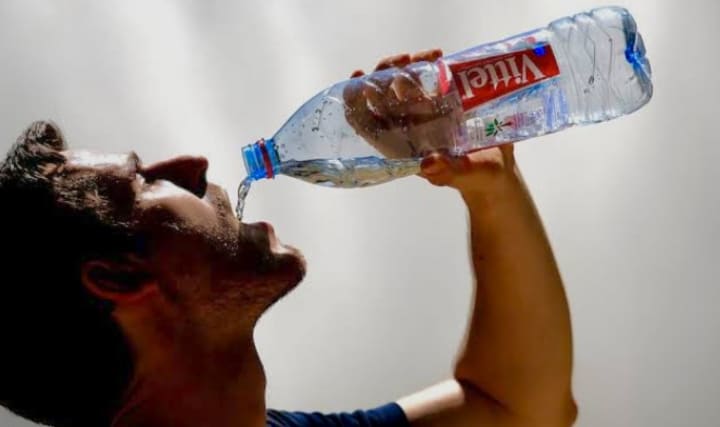
Water is essential for various bodily functions and processes. It plays a vital role in maintaining homeostasis in the body. Here are some of the ways in which water is essential for bodily functions.
Water is a major component of cells, tissues, and organs:
Water is present in every cell, tissue, and organ in the body. It helps maintain the structure of cells and provides the necessary medium for metabolic processes to occur. Without water, our cells would not be able to function correctly, and our bodily processes would come to a halt.
Water helps regulate body temperature:
Water has a high heat capacity, which means that it can absorb and release heat without changing its temperature significantly.
This property of water helps regulate our body temperature, keeping it stable even in extreme environmental conditions.
Water aids in digestion and absorption of nutrients:
Water is necessary for the digestion and absorption of nutrients in the body. It helps break down food in the stomach, allowing for better absorption of nutrients in the small intestine. Water also helps transport these nutrients to the rest of the body.
Water helps remove waste and toxins from the body :
Water is essential for the proper functioning of the urinary system. It helps flush out waste and toxins from the body through urine. Water also aids in bowel movements, preventing constipation and promoting regularity.
water is essential for various bodily functions and processes, from maintaining cell structure to regulating body temperature and aiding in digestion and waste removal. Without water, our bodies would not be able to function correctly, leading to severe health consequences.
Dehydration and its effects on the body
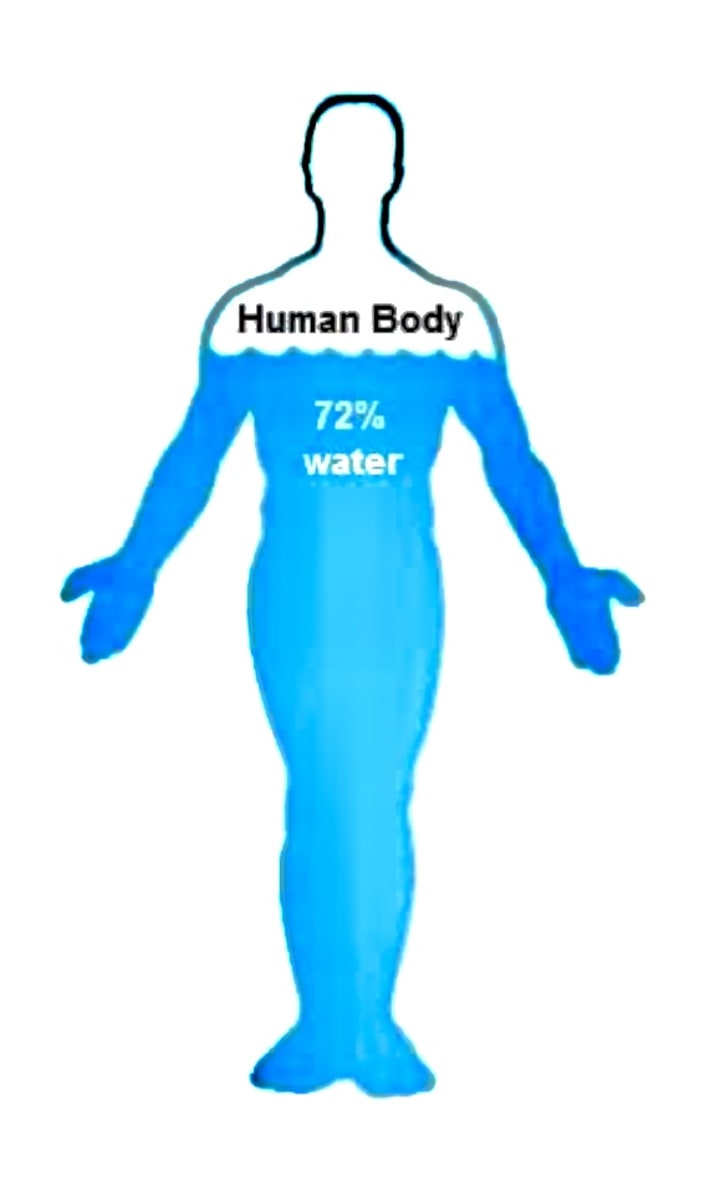
Dehydration occurs when the body loses more water than it takes in. It can have severe consequences for bodily functions and processes. Here are some of the effects of dehydration on the body:
Definition of dehydration:
Dehydration is a condition that occurs when the body loses more water than it takes in. It can be caused by various factors such as sweating, urination, and diarrhea.
Symptoms of dehydration:
The symptoms of dehydration vary depending on the severity of the condition. Mild dehydration can cause symptoms such as thirst, dry mouth, and dark urine. Moderate dehydration can cause symptoms such as fatigue, dizziness, and rapid heartbeat. Severe dehydration can cause symptoms such as confusion, rapid breathing, and even coma.
Effects of dehydration on bodily functions:
Dehydration can have severe effects on bodily functions and processes. Here are some of the effects of dehydration on different body systems:
* Cardiovascular system: Dehydration can cause a decrease in blood volume, leading to a drop in blood pressure. This can put a strain on the heart, leading to a rapid heartbeat and even fainting.
* Digestive system: Dehydration can cause constipation and other digestive problems. It can also lead to nausea and vomiting.
* Urinary system: Dehydration can lead to kidney problems and urinary tract infections. It can also cause kidney stones.
* Nervous system: Dehydration can cause headaches, confusion, and irritability. In severe cases, it can lead to seizures and even coma.
In conclusion, dehydration can have severe consequences for bodily functions and processes, affecting everything from the cardiovascular system to the nervous system. It is essential to stay hydrated and replenish fluids regularly to avoid these effects
sources of water for humans:
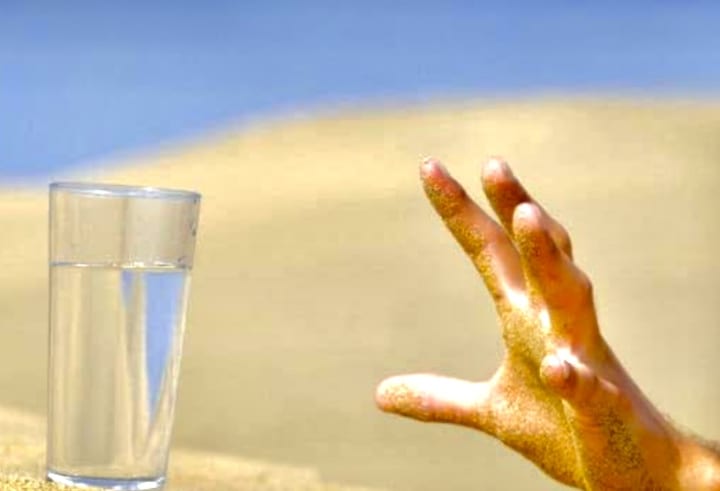
Water is essential for human survival, and we obtain it from various sources. Here are some of the sources of water for humans:
Tap water is the most common source of water for humans. It comes from municipal water supplies and is treated to remove impurities and contaminants. In most developed countries, tap water is safe to drink.
Bottled water is another source of water for humans. It comes in various forms, such as purified, spring, and mineral water. While bottled water is generally safe to drink, it can be expensive and has a significant environmental impact due to the use of plastic bottles
Surface water refers to water from lakes, rivers, and streams. While it can be a source of drinking water, it may contain impurities and contaminants that need to be removed before consumption.
Groundwater refers to water that is found underground in aquifers. It is generally cleaner than surface water and can be a good source of drinking water. However, groundwater can also be contaminated by pollutants and requires treatment before consumption.
“ Rainwater is another source of water for humans. It can be collected in tanks and used for drinking, cooking, and cleaning. However, rainwater can also be contaminated by pollutants and needs to be treated before consumption.”
Humans obtain water from various sources, including tap water, bottled water, surface water, groundwater, and rainwater. It is essential to ensure that the water we consume is clean and free from impurities and contaminants to avoid health problems.
Importance of access to clean water:
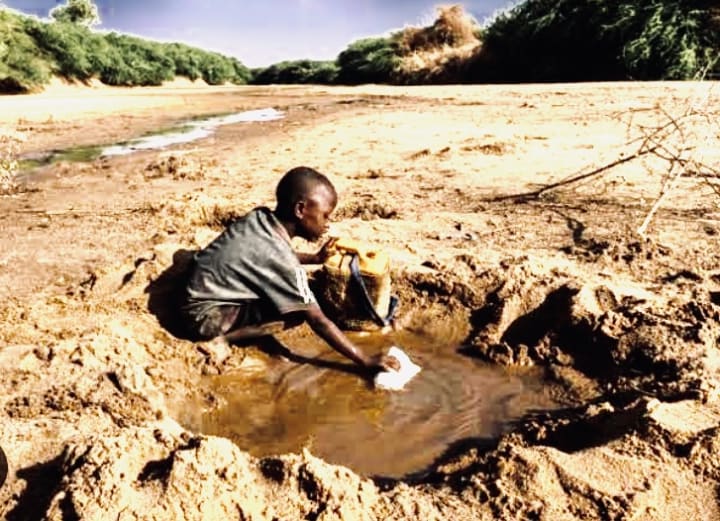
Access to clean water is vital for human health and well-being. Here are some reasons why access to clean water is crucial:
Prevents waterborne diseases:
Access to clean water helps to prevent waterborne diseases, such as cholera, typhoid fever, and dysentery. These diseases are caused by consuming contaminated water and can be fatal.
Promotes hygiene and sanitation:
Access to clean water promotes good hygiene and sanitation practices. It enables people to wash their hands regularly, bathe, and keep their surroundings clean, reducing the spread of diseases.
Supports agriculture and food security:
Clean water is essential for agriculture and food security. Farmers need water to irrigate crops, and animals need water to drink. Access to clean water can increase crop yields, improving food security for communities.
Improves education:
Access to clean water can improve education outcomes. Children who have to travel long distances to collect water are more likely to miss school. Access to clean water in schools can improve attendance and health outcomes.
Promotes economic development:
Access to clean water can promote economic development. It enables people to start small businesses such as water kiosks or irrigation services. It can also attract investment to communities that have a reliable supply of clean water.
“Access to clean water is crucial for human health and well-being. It can prevent waterborne diseases, promote hygiene and sanitation, support agriculture and food security, improve education outcomes, and promote economic development. It is essential to ensure that everyone has access to clean water to lead healthy, productive lives”
Conclusion
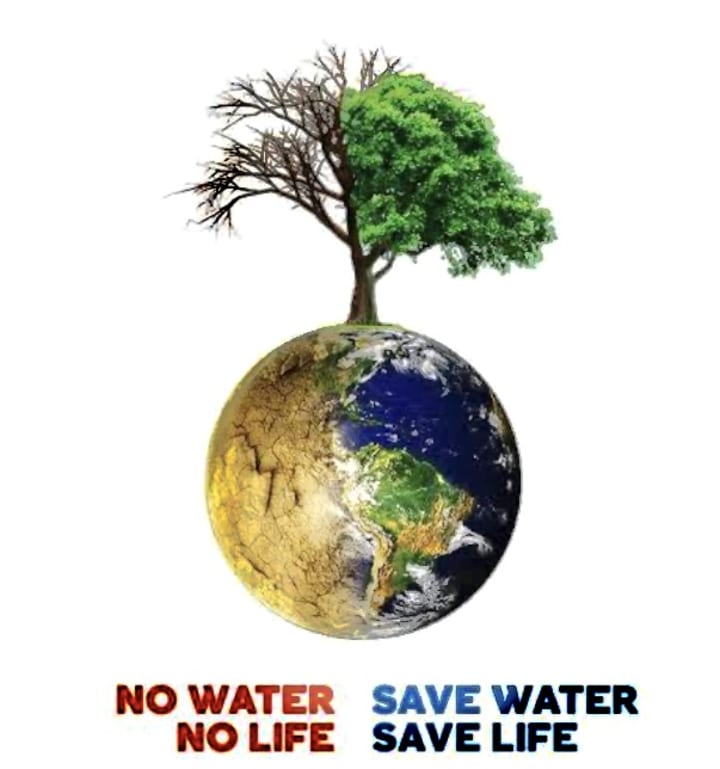
In conclusion, water is essential for human survival, and access to clean water is vital for human health and well-being. Water plays a crucial role in bodily functions, and dehydration can have severe effects on the body.
Humans obtain water from various sources, including tap water, bottled water, surface water, groundwater, and rainwater. It is essential to ensure that the water we consume is clean and free from impurities and contaminants to avoid health problems.
Access to clean water is crucial for preventing waterborne diseases, promoting hygiene and sanitation, supporting agriculture and food security, improving education outcomes, and promoting economic development.
In many parts of the world, access to clean water is still a challenge, and millions of people lack access to safe drinking water. Governments, organizations, and individuals must work together to ensure that everyone has access to clean water.
As individuals, we can also do our part by conserving water, reducing our water usage, and avoiding activities that can pollute our water sources. By taking these steps, we can ensure that we have access to clean water now and in the future, and we can help to preserve this precious resource for generations to come.
Save water 💧
Thank you…
About the Creator
Sathish Kumar
Always be inclined to do good to anyone by thought, word and deed...😊
Keep reading
More stories from Sathish Kumar and writers in Humans and other communities.
School love
Mia had always been an ambitious student. She excelled in her studies, participated in extracurricular activities, and had a clear plan for her future. Her friends often joked that she was too focused on her goals to think about anything else. But despite her laser-focused approach to school, there was one area of her life where Mia felt unsure: love.
By Sathish Kumar3 years ago in Lifehack


Comments (1)
👏