
Why Does a Person Say No?
Psychological, Social, and Practical Reasons Behind Refusal

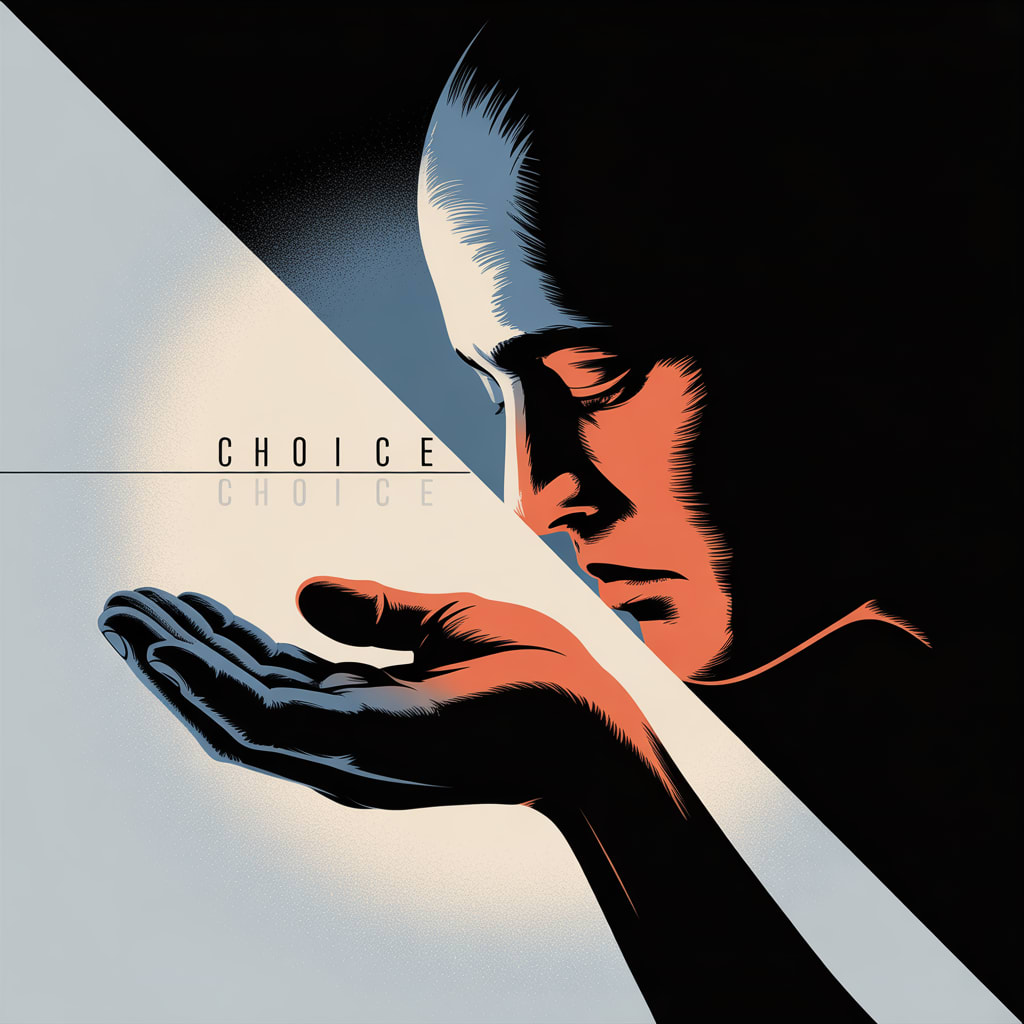
Human interaction is built upon two simple yet powerful words: Yes and No. These words may seem small, but they carry within them emotions, intentions, and decisions that shape our lives. Saying yes can open doors of opportunities, relationships, and cooperation, while saying no can close them. Yet, the act of refusal—uttering the word no—is not always negative. Sometimes, it is a reflection of inner struggles, self-protection, or practical limitations. To understand why people refuse, we must look deeply into the psychological, social, and practical reasons behind this behavior.
At the psychological level, saying no is often tied to human emotions and mental states. One of the most common reasons is fear. Fear of failure, fear of change, or fear of being judged can force a person to refuse even when they secretly desire to say yes. For example, an individual may decline a new job offer not because they dislike it, but because they are afraid they will not meet expectations. This kind of refusal is a defense mechanism, a shield that protects the mind from anxiety and pressure. Similarly, people often refuse invitations or opportunities due to low self-confidence. When someone feels inadequate or doubts their own abilities, they hide behind the word no to avoid possible embarrassment or rejection.
Another psychological reason is the desire for independence. Human beings have a natural need to establish boundaries and preserve personal freedom. Saying no becomes a way to assert control over their lives. For instance, when children say no to their parents, it is not always rebellion but a natural expression of individuality. Adults too, in workplaces or relationships, often refuse requests to remind themselves and others that they have choices. In this way, refusal is not weakness but strength—it is the voice of autonomy.
Social factors also play a powerful role in shaping the act of refusal. Every society has norms, values, and expectations. Sometimes people say no because the request or offer clashes with cultural beliefs or traditions. For example, in conservative communities, a person may refuse to attend a particular gathering, not because they dislike it, but because it does not align with their cultural standards. Similarly, social image matters greatly. People worry about how others will perceive their actions. A simple refusal may come from the fear of gossip, criticism, or losing respect in the community. Thus, social pressure often influences when and how a person chooses to say no.
Another social dimension is relationships themselves. Humans are emotional beings, and every no affects bonds. People sometimes refuse because they do not want to hurt someone’s feelings, but ironically, the refusal may still cause disappointment. In friendships, refusing to help may come from personal constraints, but the other person might see it as betrayal. In families, refusal can create conflicts, yet it is sometimes necessary for personal well-being. This delicate balance between personal limits and social expectations makes refusal one of the most complicated aspects of human communication.
On the practical side, refusal often has very straightforward reasons. Limited resources, such as time, money, or energy, force people to say no even when they wish they could say yes. For instance, a person may decline an invitation to a wedding simply because they cannot afford the travel expenses, not because they do not care. Similarly, in professional life, employees may refuse additional tasks because they are already overloaded. Practical refusal does not reflect emotions or social concerns, but simply the reality of human limitations.
Another practical aspect is priorities. Every individual has a set of goals and responsibilities. When a new demand clashes with existing priorities, the only reasonable response is refusal. A student preparing for exams may say no to social outings, not out of arrogance, but to protect their studies. A parent may refuse leisure activities because providing for their children is more important. In such cases, refusal becomes a tool of discipline and focus, not rejection.
It is also important to recognize that refusal is not always negative. In fact, learning to say no is considered a sign of maturity and wisdom. Many people suffer in life because they do not know how to refuse. They say yes to everything, even at the cost of their health, peace, or dignity. This habit eventually leads to stress, burnout, and frustration. Therefore, psychologists emphasize the importance of assertive refusal—saying no politely but firmly, without guilt. Such refusal protects one’s mental health and allows individuals to live more balanced lives.
However, problems arise when no is misused. Constant refusal without clear reasons can damage trust and relationships. People who always reject others may be seen as arrogant, selfish, or uncooperative. In workplaces, such behavior weakens teamwork. In families, it creates emotional distance. Thus, refusal must be balanced—it should protect the individual without unnecessarily harming others. The skill lies in expressing it with kindness and explanation, so that the other person understands the reason.
Ultimately, the word no is not just a refusal; it is a mirror of human psychology, society, and reality. It reflects fears, boundaries, cultural values, and practical limitations. At times, it is a tool of self-defense; at other times, a weapon of independence. It can create distance but also protect dignity. To understand why a person says no is to understand the complexity of human life itself. Every refusal carries a story, a struggle, and a choice. And in that simple word lies the power to shape relationships, decisions, and futures.
About the Creator
Keep reading
More stories from Muhammad yar and writers in Humans and other communities.
Eternal Love: Pakistan’s Controversial Show
Entertainment programs have always been a subject of debate in Pakistani society. At times, questions are raised about the scenes in dramas, and at other times, song lyrics face criticism. But recently, a new YouTube program titled “Eternal Love” has emerged, creating a fresh wave of controversy. The creators claim it to be the country’s first reality show in which young people openly talk about love and relationships.
By Muhammad yar5 months ago in Humans
System Failure
The email arrived at 2:14 AM. I know the time because I wasn't sleeping. I was refreshing. There is a specific kind of insomnia that comes when you are waiting for a system to decide your future. You wake up at odd hours. You check the phone. You check the spam folder. You check the junk.
By Edward Smith3 days ago in Humans



Comments
There are no comments for this story
Be the first to respond and start the conversation.