
"Why Do Crackers Have Holes in Them?"
The Purposeful Perforations: Why Crackers Have Holes
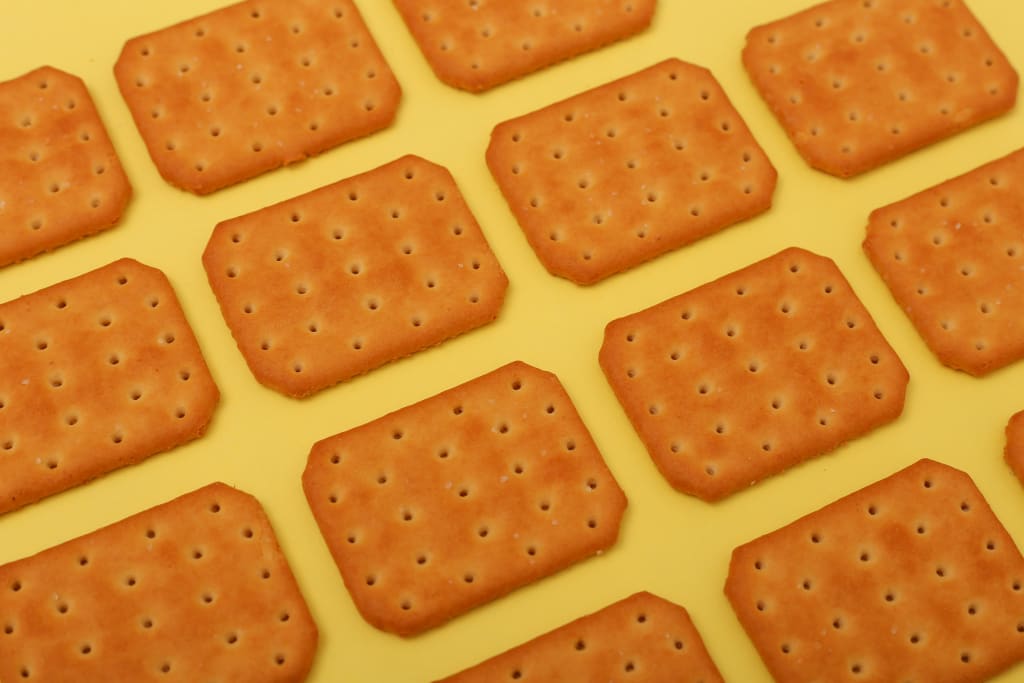
"Have you ever wondered why crackers have holes in them?"
The holes in crackers like saltines, graham crackers, Ritz, or Club crackers serve a functional purpose in creating the desired texture and crispness. When making crackers, the dough is hydrated, meaning the liquid ingredients outweigh the dry ingredients. As the hydrated dough bakes, it releases steam. This steam creates an open crumb texture in bread, characterized by small air pockets throughout. However, crackers are not intended to rise like bread.
To achieve the perfect crispness in cracker dough, the steam must escape. This is where the holes, also known as docking, come into play. By perforating the dough with holes, the steam can be released during baking, preventing the crackers from puffing up and keeping them flat. Without these holes, the steam would be trapped inside the dough, resulting in a softer and less crispy texture.
The size and pattern of the holes can vary depending on the type of cracker. Some crackers have small, evenly spaced holes, while others may have larger or irregularly shaped holes. The placement and size of the holes are carefully designed to allow for the optimal release of steam while maintaining the structural integrity of the cracker.
In addition to their functional purpose, the holes in crackers can also have aesthetic appeal. They add visual interest to the cracker's surface and can create a unique pattern or design. Some manufacturers even use the holes to spell out the brand name or logo, further enhancing the visual appeal of the product.
So, the next time you enjoy a cracker with holes, remember that it serves a functional purpose in creating the desired texture and crispness. These tiny perforations allow the steam to escape during baking, preventing the crackers from puffing up and keeping them flat. Whether it's the classic saltine or a fancy gourmet cracker, the holes play a crucial role in delivering the perfect crunch. According to Zach Wyer, director of brand marketing at Kellogg's Crackers, the holes in Club crackers and Town House crackers serve a purpose. These tiny yet powerful holes ensure that the layers of dough are held together during the baking process, resulting in a delicious cracker. Kellogg's uses a machine to create these holes, but home cooks can achieve the same effect using a toothpick, bamboo stick, or fork.
However, it's important to note that homemade crackers can have too many or too few holes. The number of holes seen in commercial crackers may not be suitable for baking crackers at home, as companies have more control over the size and spacing of the holes. Kristen Sirbak, owner of Beverly's Pastry Shop, suggests that small crackers typically need one hole in the middle, while larger crackers benefit from four holes to allow steam to escape. Certain recipes may call for more holes, depending on the type of cracker.
The spacing of the holes also plays a role in the cracker's texture. If the holes are too close together, the crackers may become dry and difficult to chew. On the other hand, if the holes are too far apart, the cracker may disintegrate. It's important to find the right balance.
Insufficient holes in the crackers can result in air bubbles that can burn the crackers and affect their appearance.
So, whether you're enjoying a Cheddar-topped Club cracker or making your own at home, remember that those little patterned holes make a significant difference in the texture of your cracker.
Conclusion:
The purpose of perforations in crackers is to maintain crispness and consistent texture. These holes allow moisture to escape, preventing staleness or sogginess. The quantity and arrangement of holes are determined by the cracker's dimensions and shape for optimal results.
However, there is no credible evidence supporting the idea that the thirteen holes in colonial hardtack symbolize the thirteen colonies. This notion lacks substantiated proof and is likely coincidental rather than intentional symbolism.
Hardtack, a durable cracker, was a staple for soldiers and sailors during colonial times due to its long shelf life and ability to withstand harsh conditions. It was made by mixing flour, water, and sometimes salt, then baking until it hardened.
The reason for the specific number of holes in colonial hardtack is unknown. It could be practical, ensuring even distribution, or related to the baking process or tools used. Without historical evidence, claims linking the thirteen holes to the thirteen colonies should be seen as speculative.
About the Creator
Keep reading
More stories from fatima zahra ajankar and writers in Humans and other communities.
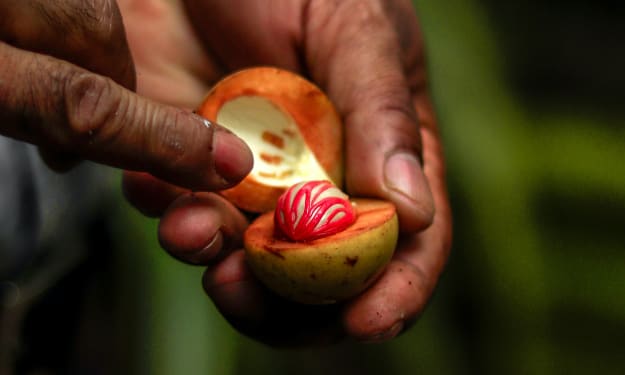
"Nutmeg possesses hallucinogenic properties."
Introduction: Nutmeg, a spice synonymous with holiday baking and comforting flavors, carries a rich history that extends beyond the realm of the culinary. While most people associate nutmeg with its warm and aromatic essence, it's not widely known that this seemingly innocuous spice possesses compounds that, in large quantities, may have hallucinogenic effects. In this exploration, we delve into the dual nature of nutmeg, exploring its culinary uses, its chemical composition, and the potential hallucinogenic properties that have intrigued and occasionally concerned both culinary enthusiasts and researchers alike.
By fatima zahra ajankar2 years ago in Humans
Whiskey At Dusk
Guess the whiskey was more important to you in the end, wasn’t it? It was more than the well-being of your friends; more vital than showing up to the places you promised you would and could come to; more critical of a matter than fulfilling your damn responsibilities and getting the press off your back.
By Snarky Lisaa day ago in Humans


Comments (1)
Hello Fatima, AI is permitted on Vocal but it is a Vocal policy that content created with AI is mentioned at the start of the story/article. Your article/story has many telltales of AI-generated content. If you don’t correct this the content may be removed by Vocal and/or you may be banned from the Vocal.