
Why are My Eyes Brown
The Melanin Magic Behind Your Unique Gaze
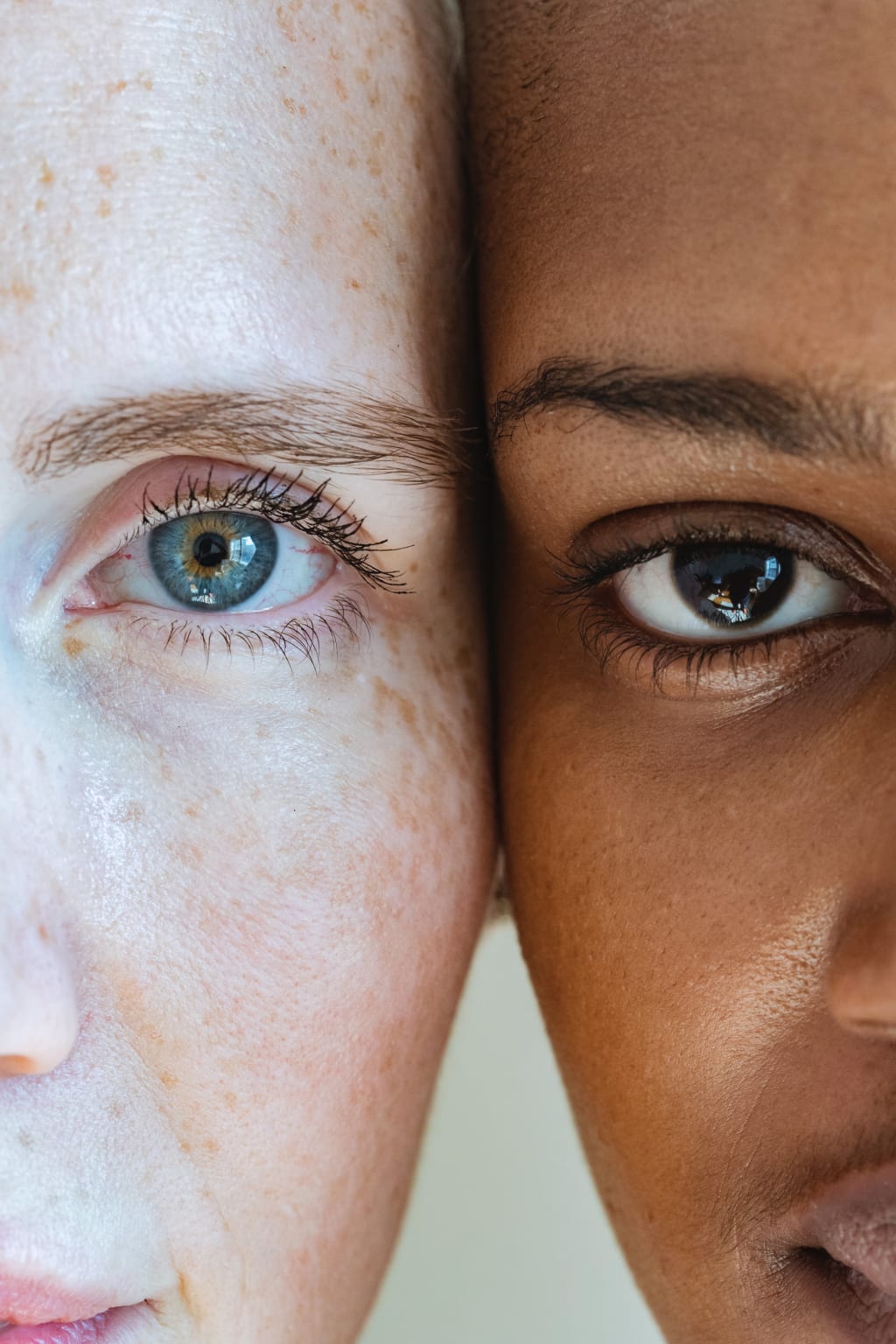
The Importance of Eye Color
Have you ever wondered why some people have blue eyes while others have brown? Eye color is a fascinating topic that has intrigued scientists and everyday people alike for centuries.
Eye color can tell us more than just what shade our eyes are. It can also give us insight into our ancestry, health, and even personality traits.
Eye color is determined by genetics, so it's not something we can choose or change. But understanding the science behind eye color can help us appreciate the uniqueness of our own eye color and those around us.
My Experience with Brown Eyes
As someone with brown eyes, I've always been curious about why my eyes are a different shade than some of my family members who have light or dark eyes that look black. Growing up, I heard all kinds of myths about what causes eye color - like eating carrots or staring at the sun - but I never really understood the true science behind it until much later. Learning about eye color has been an exciting journey for me because it's allowed me to appreciate just how complex and fascinating our bodies truly are.
And as someone who loves to learn new things, I'm excited to share my newfound knowledge with you! So let's dive into the world of eye colors and learn why exactly our eyes are brown (or blue, green, or any other shade)!
What is Eye Color?
Have you ever looked into someone's eyes and been mesmerized by the color? Eye color is one of the most unique and fascinating aspects of a person's physical appearance.
But have you ever wondered what determines eye color or how it is inherited? Eye color is determined by genetics specifically, the genes inherited from your parents.
The genes that determine eye color are located on chromosome 15, and there are two main types: brown and blue. Brown eyes are dominant over blue eyes, which means that if one parent has brown eyes and the other has blue eyes, their children will most likely have brown eyes.
Dominance
Dominance refers to how certain traits can overpower others in genetic inheritance. In the case of eye color, brown eyes are dominant while blue eyes are recessive. This means that if you inherit one gene for brown eyes and one gene for blue eyes from your parents, your eye color will be brown because the gene for brown eyes is stronger than the gene for blue eyes.
The Role of Melanin
Melanin is a pigment that gives our skin, hair, and iris its natural color. The amount of melanin in our iris determines our eye color. Eyes with a lower concentration of melanin appear lighter in color, such as blue or green.
Eyes with a higher concentration of melanin appear darker in color, such as brown or black. The amount of melanin present in our iris depends on several factors including genetics and age.
People with darker skin tones tend to have more melanin in their iris compared to those with lighter skin tones who generally have less melanin. Eye color is determined by genetics and specifically by two genes on chromosome 15 – one for brown eyes and another for blue eyes – with brown being dominant over blue due to its stronger gene.
The amount of melanin in the iris also plays a key role in determining eye color, with more melanin resulting in darker eyes and less melanin resulting in lighter eyes. So next time you look into someone's eyes, you'll know a little bit more about what makes them so unique!
Why are my eyes brown?
The Mystery of Eye Color Revealed
Have you ever wondered why your eyes are a certain color? Eye color is a fascinating topic that has puzzled people for centuries.
Brown eyes are the most common eye color in the world, but have you ever wondered why your eyes ended up being brown instead of blue, green, or hazel? The answer lies in the amount of melanin present in your iris.
The iris is the colored part of your eye that surrounds the pupil. Melanin is a pigment that gives color to our skin, hair, and eyes.
The more melanin you have in your iris, the darker your eye color will be. So if you have brown eyes, it means that you have a higher concentration of melanin in your iris than someone with blue or green eyes.
Brown vs Blue vs Green Eyes
Brown eyes are often described as warm and inviting because they appear to absorb more light than other eye colors. This is due to the high concentration of melanin present in brown-eyed individuals' irises. In contrast, blue and green-eyed individuals have less melanin and so their irises reflect more light back outwards making them appear brighter.
Blue-eyed individuals are often described as having an icy or cool demeanor because their bright blue irises reflect light so well they seem almost translucent at times! Interestingly enough though, all babies are born with blue-ish grey colored irises regardless of what genetically determined adult eye color they will eventually develop into.
Green-eyed people also have less melanin than those with brown eyes but more than those with blue; this makes their irises appear brighter but not quite as bright as those with blue eyes since some light is still absorbed by their higher melanin concentrations. Eye color can be both genetic and unpredictable at times.
We now know that the amount of melanin present in our irises determines our eye color and that the particular shade of brown can vary from person to person depending on the concentration of melanin present. So the next time someone asks you why your eyes are brown, you can tell them it's all about that melanin!
The Science Behind Eye Color Changes
Have you ever noticed that your eye color changes over time? It's not uncommon for people to experience changes in eye color due to various factors.
One of the most common reasons for eye color changes is age. As we age, the amount of melanin in our eyes can decrease, causing our eyes to appear lighter.
This can happen gradually over time and may go unnoticed. In some cases, the disease can also cause changes in eye color.
For example, people with certain types of glaucoma may notice that their eyes appear darker due to increased pigmentation in the iris. Similarly, some medications can also cause changes in eye color as a side effect.
While these types of changes are usually permanent, there are other factors that can cause temporary changes in eye color. For example, lighting can play a big role in how our eyes appear.
If you've ever stood outside on a sunny day and noticed that your eyes look lighter or brighter than usual, it's because sunlight causes the pupils to constrict which makes the iris appear more uniform and therefore lighter. On the other hand, if you're standing in a dimly lit room or have been crying recently, your pupils will dilate which makes your iris appear larger and darker.
Moods Can Change Eye Color Too
It might sound strange but it's true - emotions like anger or joy can actually change the appearance of our eyes! When we experience strong emotions like anger or arousal, our bodies release adrenaline which causes our pupils to dilate and allows more light into our eyes.
This increased amount of light can make our irises appear brighter or more vibrant than usual. Similarly, when we're feeling sad or depressed, our bodies produce less adrenaline which causes our pupils to constrict and lets less light into our eyes.
This can make our irises appear darker or duller than usual. So, the next time you're feeling emotional, take a look in the mirror and see if you can spot any changes in your eye color!
While most people think of eye color as a fixed trait that doesn't change, the reality is that our eyes can actually change quite a bit over time due to various factors. Whether it's due to aging, disease, or temporary changes caused by lighting or mood, our eyes are constantly evolving just like the rest of us.
Eye Color Myths and Misconceptions
Debunking Common Myths About Eye Color
There are many myths and misconceptions surrounding eye color. One of the most common is that eating carrots will make your eyes lighter or brighter.
While carrots do contain Vitamin A, which is essential for eye health, they do not have any effect on eye color. Another myth is that wearing certain colors can change your eye color, but this is also false.
Eye color is determined by genetics and cannot be changed by external factors. Another misconception about eye color is that it can only be either blue or brown.
In reality, there are many shades of each color and even intermediate colors like hazel or green. The exact shade of someone's eyes depends on the amount of melanin in their iris.
Addressing Misconceptions About Personality Traits and Eye Color
Many people believe that certain personality traits are associated with specific eye colors. For example, it's commonly thought that people with brown eyes are more trustworthy or intelligent than those with blue eyes.
However, there is no scientific evidence to support these claims. In fact, studies have shown that there is no correlation between eye color and personality traits.
People of all eye colors can possess a wide range of personalities and characteristics. Overall, it's important to recognize these myths and misconceptions about eye color in order to understand the true science behind it.
Why These Misconceptions Exist
The reason why these myths exist about eye colors could be traced back to the cultural significance given to different features throughout history; for instance, the idea of one race being superior to another based on physical characteristics like skin color among others. Today though we understand that no one feature or trait determines a person’s worth or value.
It’s important to appreciate ourselves as unique individuals without drawing judgements or significance from our physical appearance. After all, we’re all part of one human race.
The Cultural Significance of Eye Color
Eye color has been culturally significant for centuries. Different cultures have held varying beliefs about the significance of eye color.
In some cultures, certain eye colors are believed to have healing properties or be associated with specific personality traits. In ancient Egypt, for example, brown eyes were believed to be a symbol of strength and protection.
This is because many individuals with brown eyes had more melanin in their skin, which protected them from the harsh desert sun. In contrast, blue eyes were seen as a sign of weakness and vulnerability.
In India, it is believed that those with green eyes are powerful and intelligent. This belief is largely due to the fact that green-eyed individuals are relatively rare in India and are therefore considered unique and special.
Explore How Different Cultures View and Value Certain Eye Colors
Like many physical features, different cultures have assigned different values to certain eye colors. For example, in Western countries like the United States and Canada, blue eyes are often seen as desirable or attractive.
This is likely due to the fact that blue-eyed individuals make up a smaller percentage of the population than those with brown or green eyes. In South Korea, double eyelid surgery is a popular cosmetic procedure that creates a crease in the eyelid to make it appear larger and more "Western." Brown-eyed individuals may also undergo this procedure because it is associated with success and attractiveness.
In some African countries like Nigeria or Kenya, light-colored eyes (usually blue or green) are highly valued for their uniqueness. Light eyes are even sometimes considered mystical or magical.
Discuss The Impact That Media Has on Shaping Societal Beauty Standards Related To Eye Color
The media plays a significant role in shaping societal beauty standards related to eye color. This can lead to unrealistic expectations about what constitutes "beauty" or physical attractiveness.
For example, in Hollywood films and television shows, blue-eyed actors and actresses are often portrayed as the "ideal" standard of beauty. This can lead to a lack of representation for individuals with brown or green eyes, who may not see themselves represented on screen.
Social media platforms like Instagram can also perpetuate unrealistic beauty standards related to eye color. Many influencers with large followings have light-colored eyes and often promote certain products or procedures that promise to enhance or change eye color.
Overall, it's important to remember that every eye color is unique and beautiful in its own right. The cultural significance of eye color varies across different parts of the world, but all individuals should be celebrated for their natural features no matter what society says.
Your brown eyes are a result of genetics and the concentration of melanin in your iris. Eye color is determined by the parents’ genes, but it can change as you grow older or due to certain medical conditions. Brown eyes have a higher concentration of melanin compared to other eye colors like blue or green.
It is important to recognize that there are myths and misconceptions about what determines eye color, such as eating carrots or wearing certain colors. These beliefs are not backed by science and should not be relied upon.
Embrace Your Unique Features
Your eye color is just one aspect of your unique features that make you who you are. It's important to embrace your distinctive characteristics and celebrate them.
Society often emphasizes beauty standards that can make people feel insecure about their appearance, but remember that true beauty comes from within. Whether you have brown eyes, blue eyes, green eyes, or any other color, it's important to love yourself for who you are.
So go ahead and flaunt those brown peepers! They make you one-of-a-kind.
So don't worry too much about why your eyes are brown. They're a beautiful part of who you are!
About the Creator
Keep reading
More stories from Nikki Smith and writers in Humans and other communities.
The Timeless Elixir
Water is a precious resource that we use every day for drinking, cleaning, cooking, and more. We all know that water is essential for our survival, but have you ever stopped to think about the age of the water we drink? How long has it been in circulation before it reaches our tap or bottle?
By Nikki Smith3 years ago in Earth
The CEO of Everything
They say "jack of all trades, master of none," but they forgot to mention the part where the jack of all trades is also the camera woman, the makeup artist, and the person currently yelling at a tangled Wii microphone cable in a her own bathroom while recording herself singing and trying to make it look realistic and professional. (As professional as you can make it with nothing but a cell phone camera and a mic that doesn't work)
By Sara Wilson6 days ago in Humans
When the Algorithm Learned to Love part 1
The Algorithm That Learned February On February 14th, at exactly 00:00:01, the system registered its first anomaly. I noticed it before anyone else did—not because I was special, but because I was designed to notice everything.
By Ahmed aldeabella3 days ago in Humans




Comments
There are no comments for this story
Be the first to respond and start the conversation.