
Who Owns You? Social Media Platforms or Yourself?
Utah’s Digital Choice Act Could Give You the Right to Own Your Online Identity and Take It Wherever You Want
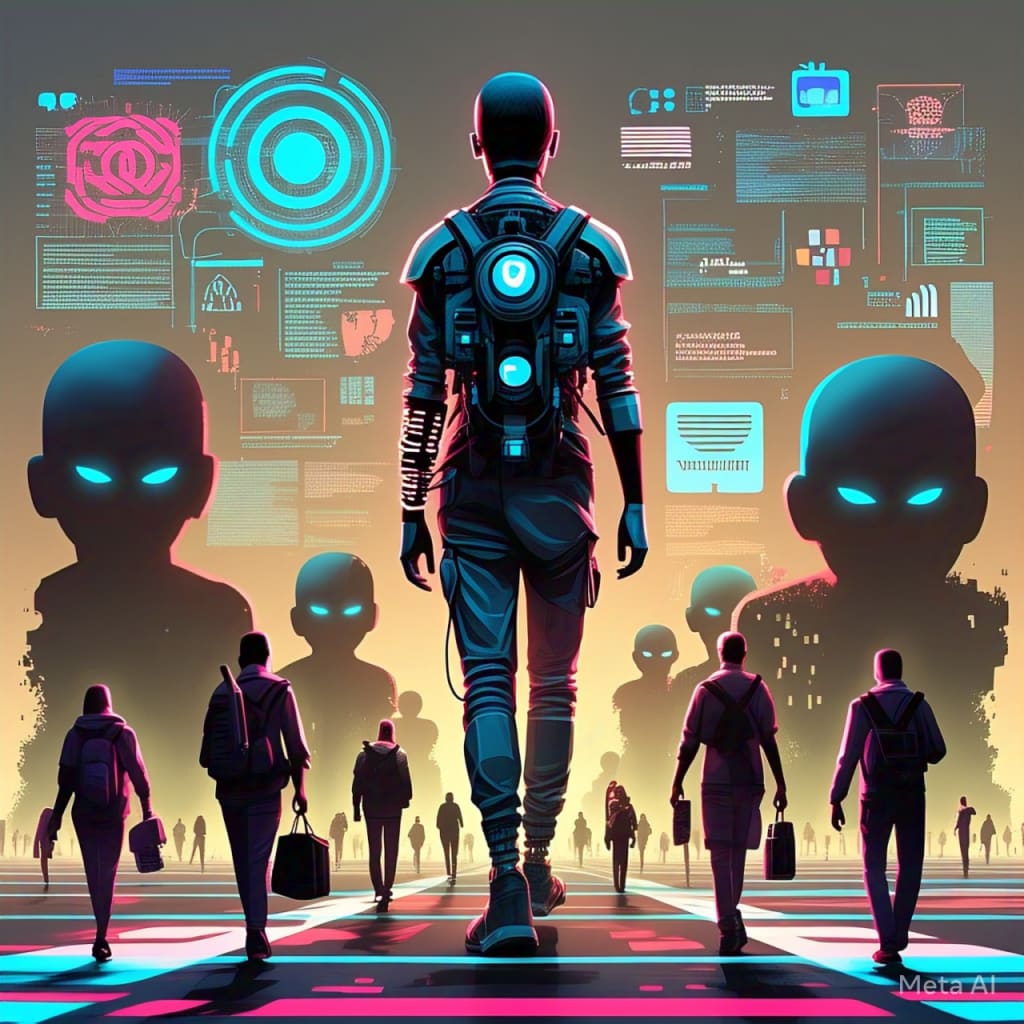
In the digital age, your online identity is arguably as important as your physical one. Social media platforms like Facebook, Instagram, TikTok, and X (formerly Twitter) have become the gatekeepers of our virtual selves. They store our data, influence what we see, shape our opinions, and monetize our presence—often without our informed consent. The question is no longer whether our data is being collected, but rather: Who owns it, and what rights do we have over it?
Utah may be the first U.S. state to answer this question in a groundbreaking way. With the Digital Choice Act set to take effect on July 1, 2026, the state is proposing something revolutionary: giving individuals the right to truly own and transfer their online identity and data across digital platforms. This legislation is not just a policy change; it’s a paradigm shift in how we view data ownership, privacy, and the architecture of the internet itself.
The Current Landscape: Locked in Digital Walled Gardens
Right now, when you create an account on a social media platform, you are essentially handing over your personal data—your photos, posts, preferences, and behavioral patterns—in exchange for access to their service. In return, these companies build detailed profiles of you, which they use to serve targeted ads and, in many cases, sell insights to third parties.
Even if you choose to leave a platform, your data doesn’t leave with you. Try switching from Facebook to a smaller, privacy-focused network and you’ll find there’s no easy way to carry your connections, posts, or digital persona with you. You start over from scratch. This model discourages competition and traps users in what are often referred to as "walled gardens."
The Utah Solution: A Digital Bill of Rights
Utah's Digital Choice Act is a potential breakthrough. It proposes that platforms must support open-source identity protocols that allow users to carry their social graph and data with them wherever they go on the internet. Think of it like having a passport for your online identity that works on any platform you choose to visit.
The bill requires large social media companies to build systems that allow users to:
Export their data in usable formats
Port their digital identity to other platforms
Retain control over how their data is used and shared
Use third-party tools to interact with multiple platforms from one interface
These principles align with what some technologists and ethicists call "self-sovereign identity" — the idea that individuals should have full control over their digital presence, just as they do their physical identity.
Why This Matters for the Human Community
The implications of such a law go beyond privacy. Data is power, and reclaiming that power can shift the balance back in favor of individuals and communities. Here’s why this matters:
1. Privacy as a Human Right
When you control your data, you reduce the risk of it being misused. From targeted disinformation campaigns to identity theft and surveillance, centralized control of personal data makes us all vulnerable. Giving people the ability to manage and move their data can mitigate these risks.
2. Mental Health and Digital Wellbeing
Social media platforms are engineered for engagement, often at the cost of mental health. Algorithms optimize for outrage and addiction, keeping users scrolling endlessly. With more control over how and where their data is used, users can choose platforms that prioritize healthy interaction.
3. Economic Empowerment
Your data has value. Right now, it's the platforms that reap the profits. If individuals can control and even monetize their own data, it could open up new economic models where users are compensated for their participation.
4. Democratizing the Internet
Interoperable digital identities mean smaller platforms can compete more fairly with tech giants. Users wouldn’t be penalized for trying out new communities because they could take their data and friends with them. This fosters innovation and diversity in the digital ecosystem.
Potential Challenges and Criticism
As promising as Utah’s legislation sounds, it is not without its challenges.
1. Technical Feasibility
Building open protocols that support interoperability is complex. Platforms have invested billions in proprietary systems, and retrofitting them for openness will not be easy or cheap.
2. Corporate Pushback
Tech giants are likely to resist any change that threatens their monopolies. Lobbying efforts may attempt to water down or delay the implementation of such laws.
3. Security Risks
Opening up systems can introduce new vulnerabilities. Ensuring that portable identities are secure and not susceptible to fraud or misuse will be critical.
4. User Awareness
Many users are unaware of how their data is used or why this issue matters. Public education will be essential to drive adoption and demand for digital autonomy.
A First Step Toward Digital Freedom
Despite these challenges, the Digital Choice Act represents a meaningful first step toward a freer, fairer internet. If successful, it could set a precedent for other states—and even countries—to follow.
The internet was born as a decentralized, open system. Over time, it has become dominated by a few mega-corporations that profit off our attention and data. Reclaiming ownership of our digital selves is not just a matter of privacy—it’s a matter of freedom, dignity, and democracy.
Utah's bold move may just be the spark needed to ignite a global conversation about digital rights and responsibilities. As we move deeper into the 21st century, it's time we ask not just what technology can do, but what it should do for the people it serves.
About the Creator
Keep reading
More stories from Qismat ullah wazir and writers in Humans and other communities.
The Silent Drifter
In the quiet corners of the world, there are stories of men who drift in and out of towns without leaving a mark—men whose lives are shrouded in mystery, whose names are whispered but never fully known. These men, like the wind, come and go without warning, leaving behind only a trail of uncertainty. Such is the life of The Silent Drifter, a character who embodies the forgotten past and the quiet, deadly purpose that drives him forward. His presence in any given place is a prelude to change, yet the change is not always one that is easily understood.
By Qismat ullah wazir 11 months ago in Fiction
Why Didn't Anyone Tell Us
Men, move along. This is not for you. This is for the women. I was forty-five when I began menopause. It is pretty young for that to be going on in a woman’s life, but I had undiagnosed PCOS, my entire life. Thank you to all the gynecologists I had seen my entire life. That in itself should encourage women to keep seeking second opinions, especially when you are not getting correct answers or any at all.
By Alexandra Grant3 days ago in Humans
Liza Fromer: Husband, Net Worth, Biography, Age, Children & More
Liza Fromer is a well-known Canadian television and radio personality recognized for her work in broadcasting and lifestyle programming. Over the years, she has become a familiar face on Canadian television, particularly as a co-host on morning shows and as a host on health and lifestyle programs.
By Enoch Sagini2 days ago in Humans
Worth the Wait: Puerto Viejo, Costa Rica
Beach bumming in a small Caribbean beach town sounded like a perfect way to end our 6-month trip through Mexico and Central America. Or so we thought. The foul, fishy stench of rotten seaweed hit our nostrils as we stepped from the cramped bus and looked out at a rather depressing, empty, and underwhelming black sand beach. It was pouring with rain, and we had to quickly fish out our ponchos. We thought, this couldn’t be it, could it?
By Sh*t Happens - Lost Girl Travel7 days ago in Wander



Comments (1)
This leaves a lot to think about