
Who Is Maduro’s Wife? Power, Politics, Sanctions, and the U.S. Capture Claims Explained
As searches for “Maduro wife” surge worldwide, here’s a clear, human explanation of who Cilia Flores really is, how much power she holds, and why her name is now tied to U.S. capture claims and Venezuela’s deepest crisis.


When breaking news from Venezuela began rippling across the world, one unexpected phrase shot to the top of search trends: “Maduro’s wife.” Not “Venezuela president,” not “U.S. strike,” but a deeply personal question tied to power, secrecy, and uncertainty.
So who is she—and why does she matter so much right now?
To answer that, you have to look beyond the title of first lady and into the inner workings of one of the most controversial governments on the planet.
Who Is Maduro’s Wife?

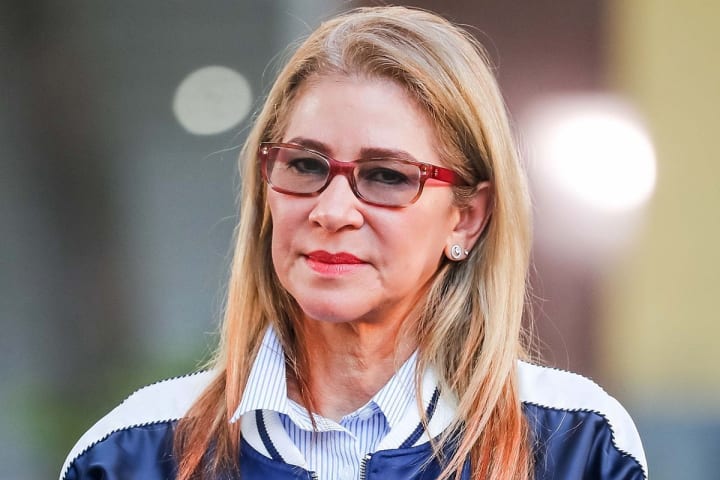
Cilia Flores is married to Nicolás Maduro, but her influence extends far beyond her role as a spouse. A lawyer by training, Flores has spent decades inside Venezuela’s political system. Long before Maduro became president, she was already a major figure in the ruling movement.
Flores served as president of Venezuela’s National Assembly and later became one of the most trusted decision-makers within the government. Among allies, she is often described as disciplined, strategic, and fiercely loyal. Among critics, she is seen as one of the most powerful unelected figures in the country.
In practical terms, many observers believe that no major decision inside the Maduro government happens without her knowledge—or her approval.
Why Is She So Central to Power?
In authoritarian systems, power doesn’t always follow official job titles. It follows trust.
Flores is widely considered Maduro’s closest confidante. During moments of political unrest, international pressure, and internal fractures, she has reportedly played a key role in keeping the ruling coalition intact. That makes her far more than a symbolic presence.
This is exactly why her name now appears alongside searches like “Maduro captured,” “U.S. strike Venezuela,” “narco terrorism,” and “where is Maduro’s wife.”
When leadership is threatened, the spotlight shifts to those who could influence what happens next.
Sanctions and U.S. Accusations
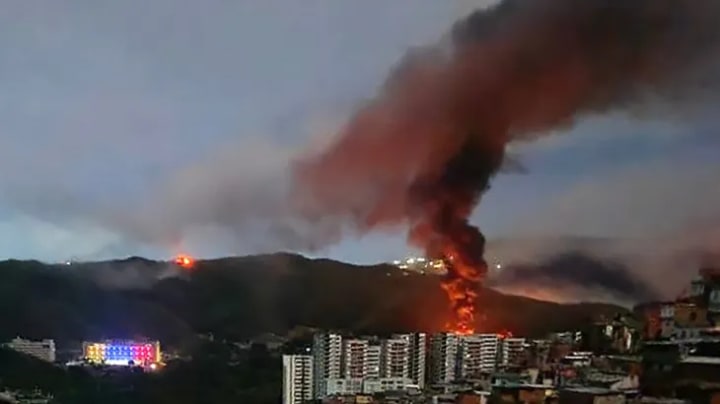
For years, the United States has imposed sanctions on senior Venezuelan officials, including Flores. U.S. authorities accuse members of the government of corruption and involvement in international drug trafficking—claims the Venezuelan government strongly denies.
These accusations escalated dramatically when U.S. officials publicly framed the Maduro leadership as a criminal network rather than a conventional government. That framing laid the groundwork for the shocking claims that followed.
The U.S. Capture Claims Explained

Former U.S. president Donald Trump announced that Maduro and his wife had been captured during a U.S. operation targeting Venezuela’s leadership. The claim spread instantly, igniting global confusion and fear
Soon after, Venezuela’s vice president Delcy Rodríguez rejected the statement, demanding proof of life and accusing Washington of psychological warfare.
As of now, no fully independent confirmation has resolved the contradiction. That uncertainty is exactly why public interest has exploded. People aren’t just asking what happened—they’re asking who holds the truth.
Why the World Is Focused on Maduro’s Wife
In moments like this, first ladies often fade into the background. Flores did the opposite.
If Maduro were detained, removed, or forced into exile, Flores would instantly become one of the most consequential figures remaining. She could influence succession, negotiations, or resistance. For supporters, she represents continuity. For critics, she symbolizes the core of the regime itself.
This dynamic explains why comparisons to Manuel Noriega are resurfacing. When Noriega was captured by U.S. forces in Panama, those closest to him played pivotal roles in how the regime collapsed—or adapted.
History may not repeat itself exactly, but it often rhymes.
Is Maduro Popular—and Does His Wife Affect That?
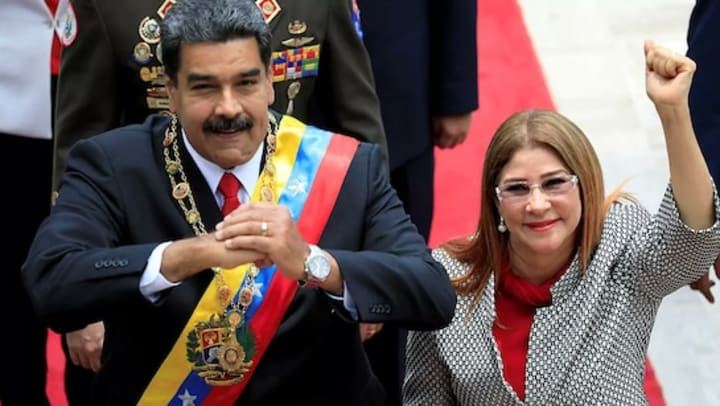
Maduro remains deeply polarizing inside Venezuela. Supporters credit him with resisting U.S. pressure. Opponents blame his government for economic collapse and mass migration.
Flores, by contrast, is less visible to the public but deeply influential behind closed doors. Her low public profile may actually strengthen her position, allowing her to operate without direct scrutiny while shaping outcomes.
In a crisis, that kind of influence becomes invaluable—and dangerous.
What Happens Next?
Right now, Venezuela stands at a crossroads. Diplomatic tensions are high. Information is fragmented. And the future of the country’s leadership remains uncertain.
What is clear is this: Cilia Flores is no longer a background figure. Whether as a political strategist, a sanctioned official, or a central player in any potential transition, her role will shape what comes next.
That is why the world keeps searching her name.
Because in moments of global crisis, people don’t just look for headlines—they look for the people behind them. And in Venezuela’s unfolding drama, Maduro’s wife has become one of the most important figures to understand.
About the Creator
Keep reading
More stories from Bevy Osuos and writers in Humans and other communities.
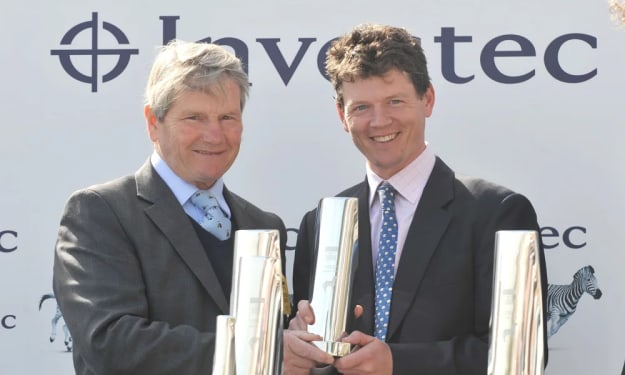
Ian Balding Dies Aged 87 — What Led to the Moment That Shook British Racing
The name Ian Balding has echoed through British racing for decades, but in the past few hours it has surged to the top of search trends for a very different reason. News of his death at the age of 87 has sent a wave of emotion through the racing world, reigniting memories of legendary victories, quiet brilliance, and a man whose influence stretched far beyond the track.
By Bevy Osuos9 days ago in Humans
Island Girl Coping Mechanism For When It’s Too Damn Winter. Runner-Up in The Ritual of Winter Challenge.
Growing up without Icelandic temperatures shapes you into a different being. And this particular being put on a valiant front until climate change upped the ante in my current location with a well-timed sucker punch some years back that became standard.
By The Dani Writer25 days ago in Humans
A Failed Artist, A Disillusioned Poet, An Underpaid Game Show Host
I took my son and niece to Gori, a small town in Georgia where Joseph Stalin was born. They talked me into visiting the Stalin's Museum, the largest in the post-Soviet space. I had resisted going there because I just can't stand the monster and know enough about him, or so I thought.
By Lana V Lynx6 days ago in FYI


Comments
There are no comments for this story
Be the first to respond and start the conversation.