
When I Asked ChatGPT Who Was the Most Disrespected Group on the Planet
The response was honest. Too honest. But necessary.

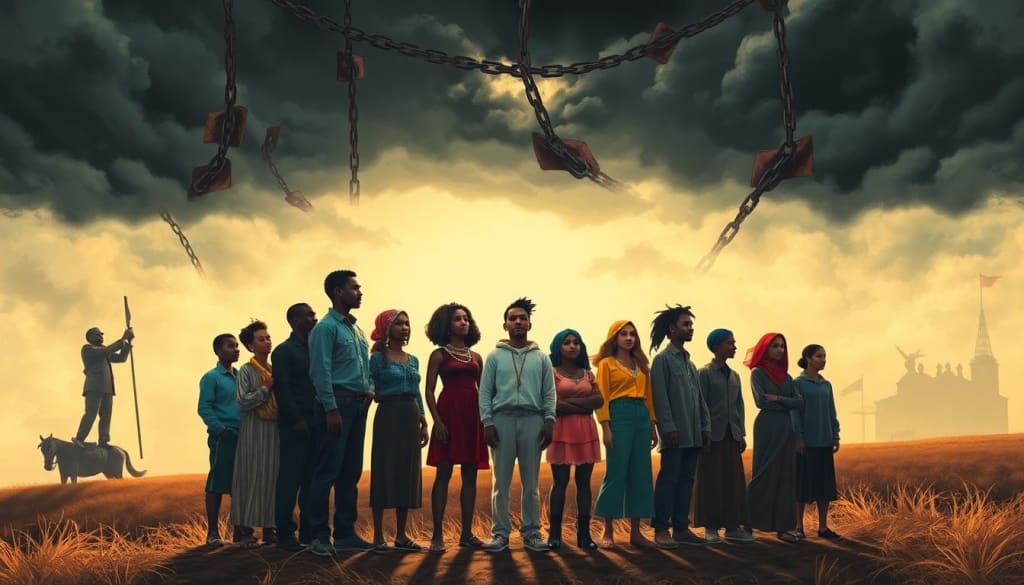
Introduction
Understanding who faces the most disrespect today matters more than ever. Social justice and human rights are not just buzzwords—they are essential for a fair world. With so many stories of injustice, you may wonder, which groups are hurt the most?
AI tools like ChatGPT can help explore this tough question. When I asked, “Who is the most disrespected group on the planet?” It gave me insights into the wide scope of human suffering. Recognizing systemic disrespect and marginalized voices is key to making change.
This article will look at what ChatGPT revealed. We’ll explore the groups most at risk of discrimination, violence, and social exclusion—and what that means for us.
The Role of AI in Uncovering Societal Biases and Disrespect
How ChatGPT Analyzes Social Issues
AI like ChatGPT processes billions of words from books, news, and research. It learns patterns about social injustice that often go unnoticed. Instead of personal opinion, it synthesizes data to find common themes.
But AI has limits. It can't understand emotions or context deeply. Still, it can spot trends in discrimination, highlighting issues people overlook.
The Impact of AI-Driven Insights
AI helps shine a light on hidden problems. Recent reports show how tools like ChatGPT have raised awareness about marginalized groups. It’s like having a mirror reflecting society’s biases. This insight can influence policies, activism, and education to build awareness.
The Most Disrespected Groups on the Planet: An Overview
Data and Global Perspectives
Discrimination happens everywhere—no region is immune. International groups like Human Rights Watch and the UN report high levels of violence against marginalized populations. For example, indigenous peoples, refugees, and racial minorities face ongoing disrespect worldwide.
Regions facing the worst issues include parts of Africa, Asia, and Latin America. These areas often have conflicts, poverty, and weak legal protections that worsen disrespect.
Criteria for Disrespect
Disrespect isn’t just name-calling; it’s any act that denies basic dignity. Discrimination, violence, social exclusion, and bias in institutions count too. It’s difficult to compare across different cultures, but recognizing these acts helps identify who suffers most.
Indigenous Peoples: The Forgotten Victims
Historical Context and Recent Challenges
Indigenous communities have faced centuries of colonization, land theft, and cultural suppression. Many are displaced from ancestral lands. Violence against them remains high, and they often struggle with poverty and lack of access to education or healthcare.
Genuine respect for indigenous rights is still rare. Activists say these groups are among the most ignored and disrespected.
Case Examples
In the Amazon rainforest, indigenous tribes face threats from deforestation and illegal mining. In Australia, Aboriginal peoples combat discrimination and land rights issues. Throughout North America, Native communities fight for respect amid ongoing injustices.
Expert Perspectives
Human rights groups warn that disrespect leads to loss of culture, violence, and displacement. Anthropologists emphasize the importance of listening to indigenous voices for a more just world.
Refugees and Asylum Seekers: Navigating Hostility and Marginalization
Global Refugee Crises
Statistics from UNHCR tell a stark story: over 100 million people are displaced worldwide. Refugees often flee war, persecution, or disaster. Yet, many face rejection at borders.
Social and Legal Disrespect
Once displaced, refugees confront xenophobia, social rejection, and legal hurdles. Many are denied basic rights like work permits, education, or healthcare. Stigma and stereotypes deepen their struggles.
Actionable Strategies
Policymakers can help by creating welcoming laws and programs. Communities must embrace diversity and treat refugees with dignity. Small actions like volunteering or supporting refugee-led organizations make a difference.
Racial and Ethnic Minorities: Enduring Systemic Disrespect
Discrimination in Different Regions
Hate crimes, unequal job opportunities, and unfair policing target minority groups worldwide. The Black Lives Matter movement highlighted police brutality in the US, but similar issues happen globally.
Institutional Bias and Structural Inequality
Bagging long-standing unfairness, minorities often face barriers in schools, jobs, and voting. In many countries, laws and systems still favor the majority—perpetuating inequality.
Expert Insights
Civil rights leaders point out that respect is still lacking. Sociologists note that societal bias is deep-rooted, requiring ongoing effort to combat.
LGBTQ+ Communities: Facing Disrespect and Violence
Global Legal and Social Status
Some countries criminalize being LGBTQ+. Others have protections, but societal attitudes often lag behind laws. Violence against LGBTQ+ people remains common, especially in hostile environments.
Societal Attitudes and Cultural Barriers
Media, religion, and social norms often stigmatize non-heterosexual identities. Many face rejection at home, school, or in their communities.
Actionable Tips
To promote equality, communities should increase awareness and education. Laws protecting LGBTQ+ rights need enforcement. Support networks and safe spaces help those at risk.
Women and Girls: The Persistent Gender Disrespect
Violence and Discrimination Data
Across the globe, women and girls face disproportionate violence, wage gaps, and limited access to education. Girls in conflict zones are even more vulnerable, often robbed of safety and opportunity.
Cultural and Societal Barriers
Many cultures uphold patriarchy and strict gender roles, making it hard for women to break free. Religious doctrines and traditions sometimes justify discrimination and violence.
Expert Recommendations
Reforming policies, running awareness campaigns, and engaging communities are critical. When women are respected, societies become stronger, healthier places for everyone.
Conclusion
The groups facing the most disrespect worldwide include indigenous peoples, refugees, racial minorities, LGBTQ+ communities, and women. These populations endure systemic bias, violence, and social rejection—often for simply being who they are.
Raising awareness and taking action are vital. By understanding the struggles of these groups, we can all help create a fairer world. AI tools like ChatGPT are useful for exposing truths, but real change comes through human effort. We must stand up, speak out, and work toward respect and dignity for everyone.
Together, we can make a difference. Respect is a right—let’s make sure it’s granted to all.
🙌 If you enjoyed this story, don’t forget to follow my Vocal profile for more fresh and honest content every day. Your support means the world!
About the Creator
vijay sam
🚀 Sharing proven affiliate marketing tips, smartlink strategies, and traffic hacks that convert. Follow for insights, tools, and real results to help you earn smarter—whether you're just starting or scaling up!
Silver Screen Magic with Mae West
American actress and singer Mae West became a popular film actress during the Great Depression. She started entertaining in vaudeville, then performed on Broadway, and finally went to Hollywood. She signed up with Paramount Pictures and made her debut in the 1932 film “Night After Night.” She also starred in musicals, comedies, and crime dramas. The American Film Institute named her one of the best classic Hollywood actresses.
By Rasma Raisters3 days ago in Geeks




Comments
There are no comments for this story
Be the first to respond and start the conversation.