
When Borders Yield to Love
A Critically Ill Afghan Baby, a Desperate Family, and the Border Officials Who Chose Compassion Over Policy

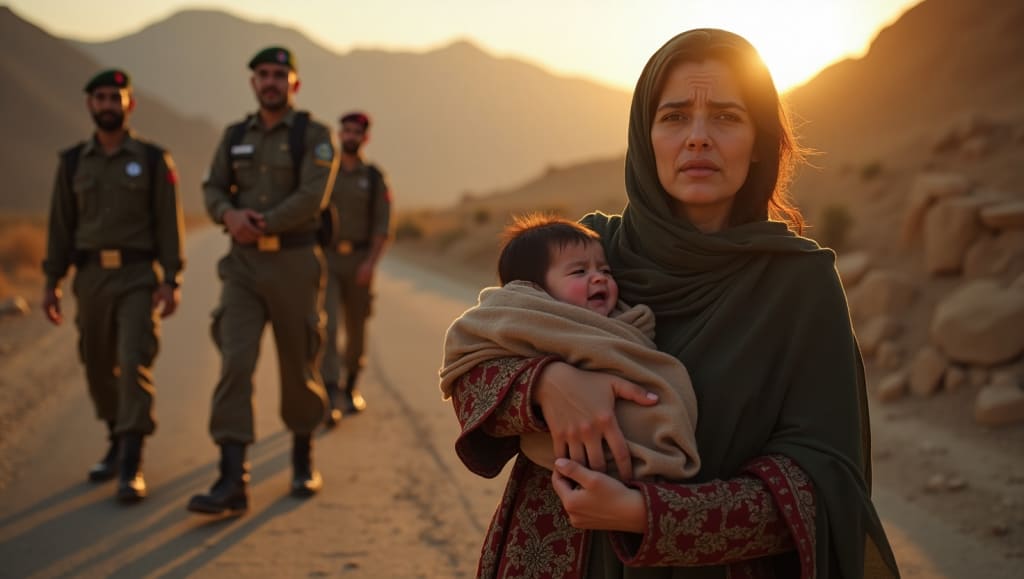
The Border Didn’t Matter When His Heartbeat Was Fading
A Critical Afghan Infant’s Journey to Hope in Peshawar
> 💔 “His tiny chest rose and fell slowly. Each breath a battle. Each hour a miracle. But his mother was still across the border, watching helplessly.”
---
A Baby Fights for Life, Alone
Six weeks old, his name never made it to the paperwork. No passport, no visa—just a fragile heartbeat, fighting a war of its own in the cold sterility of an intensive care unit at Hayatabad Medical Complex in Peshawar.
He wasn’t a soldier or a politician. He wasn’t a refugee whose name would echo in the halls of international agencies. He was just a baby—born into a world he never chose, in a land where hope is as scarce as medicine and peace.
He arrived in critical condition, wrapped in a thin blanket that did little to protect him from the chill of the hospital night. His eyes fluttered open only occasionally, each time revealing a flicker of life that doctors and nurses clung to desperately. Machines beeped around him, each alarm a reminder of the precariousness of his existence.
But there was one thing no medicine, machine, or doctor could provide:
He needed his mother’s arms. He needed his father’s voice.
He needed his parents.
---
A Border Stood Between a Child and His Parents
Just miles away, his parents stood on the Afghan side of the Torkham border, eyes swollen from days of tears. They were so close they could almost hear the hum of traffic from Peshawar. But without documents, without a visa, the border was a wall higher than mountains.
They begged border guards. They pleaded with strangers. They called every number they could find, but doors stayed closed. And every moment that passed was another moment they might never get back—a moment their baby might not have.
They watched helplessly as the sun set on another day their child might not survive.
---
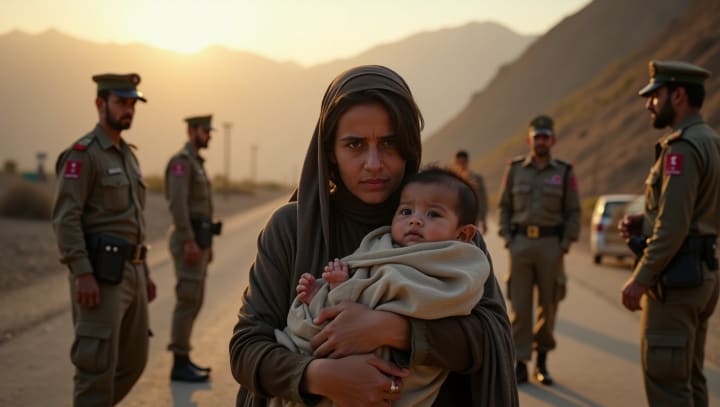
Humanity Spoke Louder Than Policy
Then, something rare and extraordinary happened.
A group of Pakistani border officials, hardened by years of enforcing rigid procedures, looked beyond the rules. They looked into the mother’s tear-filled eyes and the father’s trembling hands clutching a worn photograph of their baby. And they did what bureaucracy rarely allows: they chose compassion.
Without papers. Without signatures. Without formalities.
The gates opened—not for a VIP convoy, not for a dignitary—but for a mother and father desperate to hold their dying child.
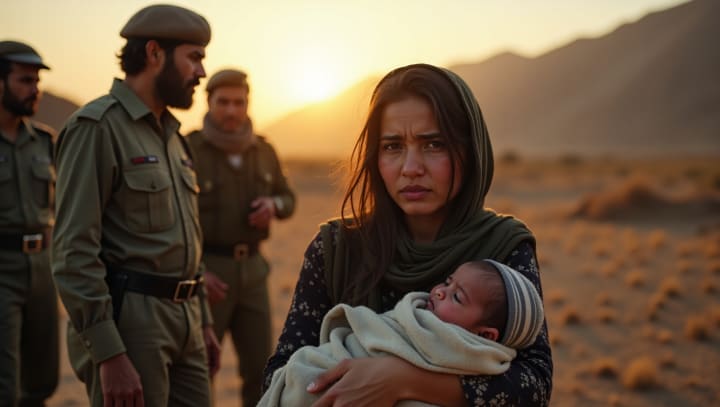
They crossed the border in a blur of tears and prayers. At the hospital, a nurse led them to the ICU where their baby lay—tiny, fragile, yet alive. When the mother’s hand touched his cheek, his eyelids fluttered. His tiny fist curled instinctively around her finger. A breath that had been shallow and ragged grew a little stronger.
In that moment, hope walked into the room with them.
---
More Than Just One Child
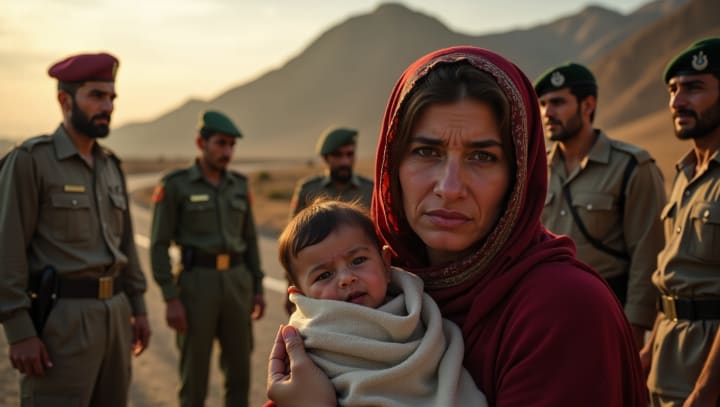
This is not just a story about one child. Every year, Afghan children suffering from heart defects, eye cancer, or other life-threatening diseases are carried across the mountains and borders into Pakistan. They do not come seeking asylum or a new life—just a chance to keep the one they have.
Some children come on treatment visas painstakingly obtained. Others arrive because doctors—Pakistani, Indian, even Israeli—collaborate in quiet acts of global unity. Each child carries a story of fear, pain, and the love of parents who will risk everything.
In Kabul, a father sells the only family cow to afford the journey. In Kandahar, a mother carries her baby through the night to reach the bus that will take them to the border. In every case, the border looms—a line drawn on a map that can mean the difference between life and death.
---
The Other Side of the Border
Despite its own struggles, Pakistan has quietly become a sanctuary. Treatment visas, emergency entry approvals, and hospital collaborations are fragile lifelines extended across political divides. The system is flawed, but when it works, it saves lives.
Behind every sick child is a parent fighting bureaucracy, poverty, and time itself.
---
Because Borders Don’t Stop Love
That little Afghan baby is stable now. His heartbeat is steadier. His breathing easier. His parents remain by his side, whispering prayers that seem to float above the machines and monitors.
In that hospital room, there is no Afghanistan. No Pakistan. No borders. Only a family reunited. A child alive. And undeniable proof that sometimes the most powerful decisions come not from policies—but from hearts willing to break the rules for love.
About the Creator
Muhammad Arif
I'm a storyteller by heart and passion. I believe that stories are more than just words — they are windows into the emotions we often leave unspoken. My writing explores the quiet corners of everyday life.
Keep reading
More stories from Muhammad Arif and writers in Humans and other communities.
This Pakistani Man Chose Love Over Life – And Fought Death for His Bride
In a world where love often fades at the first sign of trouble, this is the unforgettable true story of a Pakistani man named Ammar, whose love didn’t just survive hardship — it challenged death itself.
By Muhammad Arif 7 months ago in Humans


Comments (1)
support me I will support you back