
When a Winter Storm Weather Forecast Changes Everything
Before the first snowflake falls, something shifts inside people. The world feels quieter, heavier, more watchful.

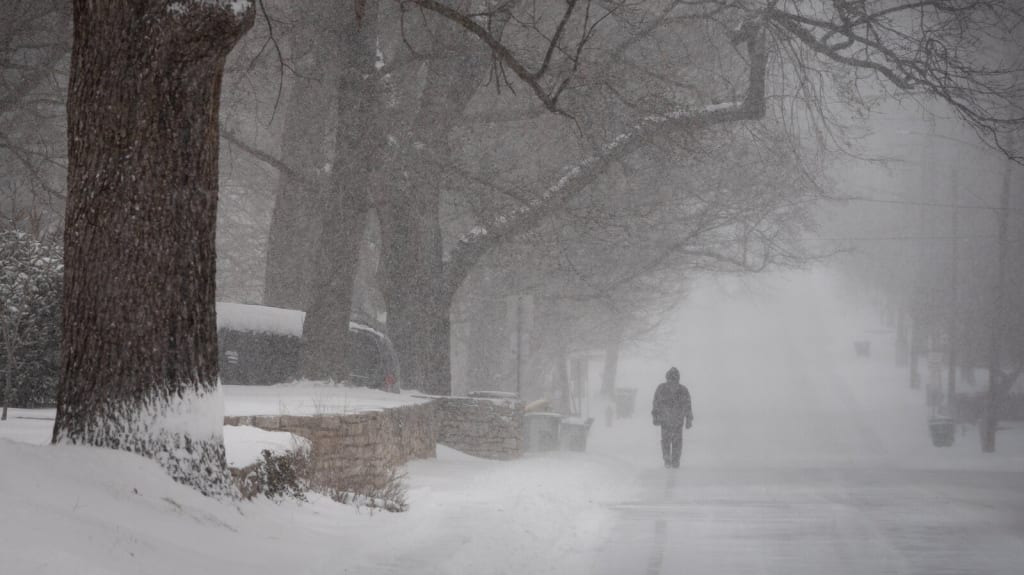
Before the first snowflake falls, something shifts inside people. The world feels quieter, heavier, more watchful. Phones light up with alerts, and conversations circle back to the same question. What does the winter storm weather forecast really mean for us this time? These forecasts are not just numbers and maps. They shape plans, emotions, and sometimes fear. They decide whether children stay home, whether roads empty early, and whether families brace for long nights without power. A winter storm forecast carries memory and possibility at once. This article looks closely at how winter storm forecasts work, why they matter so deeply, and how to read them with clarity instead of panic. Understanding the forecast helps people prepare with care, not worry.
Why Winter Storm Forecasts Feel So Heavy
Winter storms affect daily life in ways few other weather events do. Snow and ice slow movement. Cold pushes people indoors. Darkness arrives earlier, and silence feels louder.
A winter storm weather forecast becomes a shared focus. Neighbors talk about it. Stores grow busier. Roads feel tense even before snow begins.
This emotional weight comes from experience. Many people remember being stranded, losing heat, or watching trees fall under ice. Forecasts awaken those memories.
Because of this, winter weather predictions feel personal. They are not abstract. They touch safety, comfort, and control.
What a Winter Storm Weather Forecast Really Is
A winter storm weather forecast is an estimate built from observation and probability. Meteorologists study temperature, moisture, pressure, and wind patterns to predict what might happen.
The atmosphere is complex. Small shifts can change outcomes. A slight rise in temperature can turn snow into freezing rain. A change in wind direction can move heavy snowfall miles away.
Forecasts evolve because the atmosphere evolves. Updates are a sign of careful monitoring, not failure.
Understanding this helps people respond calmly when details change.
Snow, Sleet, and Freezing Rain Explained Simply
Winter storms bring different types of precipitation. Each behaves differently and creates unique risks.
Snow forms when temperatures stay cold from clouds to ground. It piles up but usually offers some traction.
Sleet occurs when snow melts slightly and refreezes before hitting the ground. It bounces and creates slippery layers.
Freezing rain falls as liquid but freezes on contact. It coats surfaces with ice and causes the most damage.
When a winter storm weather forecast mentions freezing rain, even in small amounts, it deserves serious attention.
Why Snowfall Totals Change So Often
People often focus on predicted snow totals, but these numbers are the hardest to pin down.
Snow bands can shift suddenly. Elevation matters. Urban areas hold heat and may see less snow than nearby fields.
Forecasts usually give ranges to reflect this uncertainty. A prediction of six to ten inches is not indecision. It is honesty.
Watching totals change does not mean the forecast was wrong. It means new data adjusted expectations.
The Role of Wind in Winter Storms
Wind shapes winter storms in powerful ways.
Strong winds reduce visibility, creating blizzard conditions even with moderate snowfall. Snow drifts block roads and bury cars.
Wind also increases cold stress. Temperatures feel much lower, raising frostbite risk.
A winter storm weather forecast that includes wind deserves extra caution. Wind turns inconvenience into danger quickly.
Ice Storms and Why They Are Often Underestimated
Ice storms rarely look dramatic at first. Rain falls quietly. Trees glitter. Roads shine.
But the damage builds fast. Ice adds weight to branches and power lines. They snap under pressure.
Travel becomes nearly impossible. Power outages can last days.
Forecasting ice is difficult because it depends on narrow temperature ranges. When ice appears in a forecast, preparation matters more than snow totals.
How Geography Shapes Winter Storm Impacts
Geography changes everything.
Mountains force air upward, creating heavier snow. Lakes add moisture, leading to intense snowfall nearby.
Cities trap heat, sometimes reducing snow but increasing ice risk.
Rural areas face longer response times. Urban areas face traffic chaos.
A winter storm weather forecast may cover a wide area, but local effects vary. Knowing local patterns helps people prepare realistically.
Understanding Watches, Warnings, and Advisories
Weather alerts use specific language to signal risk.
An advisory suggests caution. Conditions may cause inconvenience.
A watch means severe weather is possible.
A warning signals dangerous conditions are expected or already happening.
These terms guide decisions. Reading them carefully helps people act without overreacting.
Timing Matters More Than Amount
When snow falls matters as much as how much falls.
Light snow during rush hour can cause gridlock. Heavier snow overnight may be cleared before morning.
Freezing rain during evening hours creates immediate danger.
When checking a winter storm weather forecast, pay attention to timing. It often affects safety more than totals.
Travel Decisions and the Value of Staying Put
Winter travel carries risk. Forecasts help people decide when to stay home.
Road conditions worsen quickly. Visibility drops faster than expected.
Air travel suffers from ice and wind, not just snow.
Using the forecast to delay or cancel travel protects safety. No trip is worth unnecessary risk.
Schools, Work, and Difficult Choices
School closures and work delays depend on forecasts. These decisions affect families deeply.
Officials weigh safety against disruption. Forecast uncertainty complicates choices.
Criticism often comes later, when outcomes are clear. Understanding forecast limits builds patience.
Weather decisions aim to reduce harm, not inconvenience no one.
Power Outages and Winter Storm Awareness
Heavy snow and ice strain power systems. Forecasts often hint at outage risk.
Preparing flashlights, batteries, and warm clothing reduces stress.
Knowing the risk ahead of time allows families to plan calmly.
A winter storm weather forecast can prepare emotions as much as homes.
Mental Health During Long Winter Seasons
Repeated storm alerts can create anxiety. Constant checking increases stress.
Setting boundaries helps. Check updates at set times rather than constantly.
Focus on preparation tasks. Action reduces worry.
Understanding forecasts brings control back to the individual.
Talking to Children About Winter Storms
Children notice adult tension. Clear, calm explanations matter.
Describe storms in simple terms. Focus on safety and routines.
Keep normal activities when possible.
A calm approach teaches children that winter storms are manageable.
Rural Life and Winter Storm Challenges
Rural areas face unique risks.
Long distances delay help. Fewer services increase isolation.
Forecasts help rural residents prepare early.
Understanding these challenges encourages community support and planning.
Urban Life and Winter Storm Stress
Cities struggle differently.
Traffic builds fast. Side streets ice over. Power demand rises.
Dense populations amplify small problems.
Urban residents benefit from planning ahead and respecting forecasts early.
How Forecasting Has Improved Over Time
Forecasting tools are far better than decades ago.
Satellites, radar, and computer models provide detailed data.
Short-term forecasts are especially reliable.
Still, nature remains complex. Forecasts improve but never reach certainty.
Trusting Forecasts Without Fear
Healthy trust means respecting information without obsession.
Forecasts guide choices. They do not demand panic.
Avoid exaggerated interpretations and rumors.
Stick to reliable updates and stay grounded.
After the Storm: Why Forecasts Continue
Storm impacts do not end when snow stops.
Refreezing creates ice. Melting causes flooding.
Cold snaps follow storms, increasing risk.
Post-storm forecasts matter for safety and recovery.
Learning From Past Winter Storms
Experience shapes preparation.
People who faced outages plan better next time.
Memory encourages readiness without fear.
Each storm teaches lessons for the future.
The Stillness Snow Brings
Despite risk, snowstorms create moments of quiet.
Streets soften. Sound fades. Light reflects gently.
Forecasts give notice, allowing people to slow down safely.
This stillness becomes part of winter’s emotional landscape.
Why Forecast Accuracy Matters So Much
Weather affects safety, work, and health.
When forecasts change, frustration follows.
Understanding uncertainty reduces disappointment.
Accuracy improves closer to the event.
How to Read a Winter Storm Weather Forecast Wisely
Read full details, not just headlines.
Look at timing, type of precipitation, and temperature trends.
Expect updates.
Prepare thoughtfully, not emotionally.
Community and Winter Storm Response
Storms often bring communities together.
Neighbors check on each other. Strangers help push cars.
Forecasts allow people to plan support ahead of time.
Prepared communities recover faster.
Climate Shifts and Winter Storm Patterns
Weather patterns shift over time.
Some winters bring frequent storms. Others stay quiet until sudden cold hits.
Forecasts consider these patterns.
Long-range outlooks offer guidance, not certainty.
Conclusion: Meeting Winter With Awareness and Calm
A winter storm weather forecast carries more than numbers. It carries memory, concern, and preparation.
Understanding forecasts replaces fear with readiness.
Snow will fall. Ice may form. Wind will rise.
But knowledge allows people to face winter with steadier hearts.
Prepared homes feel warmer. Calm minds feel safer.
Winter will always test patience, but understanding the forecast helps people meet that test with clarity, care, and quiet confidence.
About the Creator
Muqadas khan
Hi! Welcome to my Vocal page. I’ll be sharing fresh articles every day covering stories, ideas, and a bit of inspiration to brighten your feed. Thanks for reading and supporting daily writing! 📖💫
Keep reading
More stories from Muqadas khan and writers in Humans and other communities.
Alex de Minaur and the Quiet Power of Relentless Tennis
Some athletes shout their arrival. Others arrive quietly, carrying discipline instead of noise. Alex de Minaur belongs to the second kind. Watching him play feels like witnessing persistence take a physical form. There is no unnecessary drama, no demand for attention. Just movement, effort, and an almost stubborn refusal to give up a point. His story pulls people in because it feels human. He is not built like a giant, nor does he rely on raw force. Yet he keeps standing toe to toe with the best in the world. This article explores how Alex de Minaur built his career through consistency, mental strength, and an honest relationship with hard work. It is a story about patience, pressure, and choosing effort every single day.
By Muqadas khanabout 11 hours ago in Humans
Whiskey At Dusk
Guess the whiskey was more important to you in the end, wasn’t it? It was more than the well-being of your friends; more vital than showing up to the places you promised you would and could come to; more critical of a matter than fulfilling your damn responsibilities and getting the press off your back.
By Snarky Lisa3 days ago in Humans



Comments
There are no comments for this story
Be the first to respond and start the conversation.