
What You Need to Know About Feeding Your Cat Rotisserie Chicken
Is Rotisserie chicken safe for cats? Find out the risks and benefits. Learn how to include it in your cat's diet.

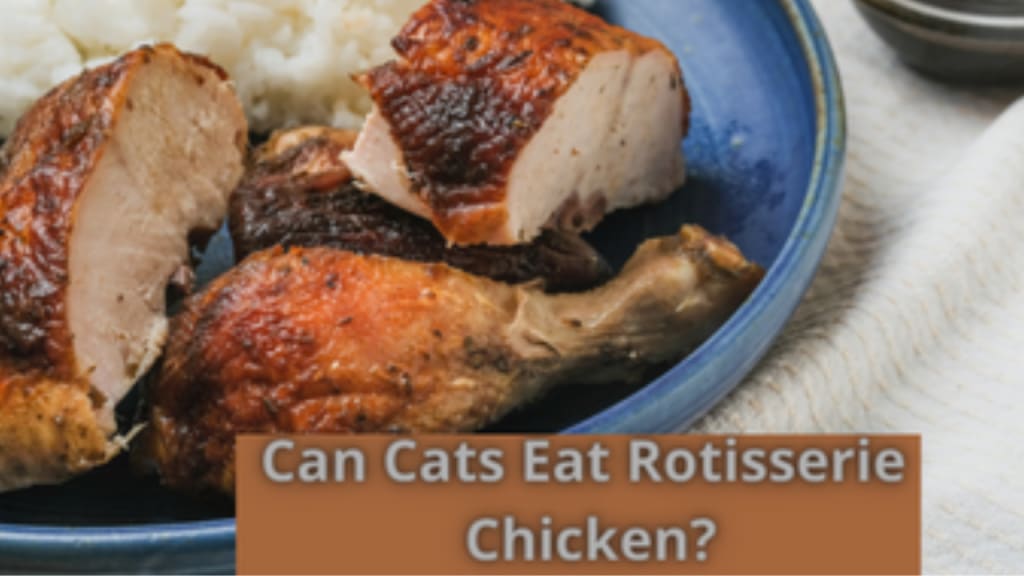
If you're a cat owner, you're probably always on the lookout for new foods to feed your feline friend. While some human foods are safe for cats to consume, others can be harmful, or even toxic. One commonly asked question is whether rotisserie chicken is safe for cats to eat. In this article, we'll explore the nutritional benefits and risks of feeding rotisserie chicken to cats, how to safely prepare and serve it, and provide alternatives to keep your cat healthy and happy.
cats rotisserie chicken fellen
Introduction: Can Cats Eat Rotisserie Chicken?
Many pet owners have found themselves in a situation where their cat is eyeing the rotisserie chicken they just brought home. While it may be tempting to share your delicious meal with your furry friend, it's essential to find out if it's safe for cats to eat rotisserie chicken. In this article, we will explore the nutritional benefits and risks of feeding rotisserie chicken to cats and how to do it safely.
The Nutritional Benefits of Rotisserie Chicken for Cats
Protein-Rich Diet
Cats are obligate carnivores, meaning they require a diet rich in animal protein to maintain their health. Rotisserie chicken can be an excellent source of protein for felines. Chicken meat is high in protein, and its amino acid composition is appropriate for cats. Protein helps support healthy organ function, muscle growth, and repair.
Nutrient Composition
In addition to protein, rotisserie chicken provides essential vitamins and minerals that are beneficial to cats. Chicken contains vitamin B6, which supports brain function and the nervous system, and niacin, which helps maintain healthy skin and a shiny coat. It also has minerals such as phosphorus and selenium, which help support bone health, muscle function, and immune system health.
The Risks of Feeding Rotisserie Chicken to Cats
Safety Concerns
When feeding rotisserie chicken, it's crucial to ensure that it's safe for cats to consume. A common concern is seasoning and spices that may be used to flavor the chicken. Seasonings like garlic and onions can be toxic to cats and should be avoided. Additionally, if the chicken has been sitting at room temperature for too long, it can develop harmful bacteria that can make your cat sick.
Potential Health Risks
While rotisserie chicken can provide valuable nutrients, it's essential to remember that it's not nutritionally complete for cats. Feeding too much chicken can lead to an unbalanced diet, potentially causing health issues in the long run. Also, the skin and bones of rotisserie chicken can be difficult for cats to digest, leading to digestive problems such as constipation or pancreatitis.
How to Safely Feed Rotisserie Chicken to Your Cat
Preparing Rotisserie Chicken for Your Cat
Before feeding rotisserie chicken to your cat, ensure that it's unseasoned and uncooked. Remove the skin and bones, which can cause digestive issues, and cut the meat into small, bite-sized pieces.
Portion Control and Frequency
Feeding your cat rotisserie chicken should be done in moderation. It should not make up the majority of their diet, and other foods such as high-quality cat food should be the primary source of nutrition. A small amount of chicken as an occasional treat is an appropriate way to feed rotisserie chicken to your cat while avoiding any health issues.
In conclusion, rotisserie chicken can be a healthy and delicious treat for cats when fed in moderation and prepared correctly. Always keep in mind that cats require a balanced diet of protein, fat, and nutrients, and feeding them an unbalanced diet can cause health problems. Consult your veterinarian before introducing new foods to your cat's diet.
Alternatives to Rotisserie Chicken for Cats
If you're considering feeding your cat rotisserie chicken, you may be wondering if there are any alternatives. The good news is, there are plenty of options. Here are a few:
- Cooked chicken breast: Instead of rotisserie chicken, you can cook chicken breast at home and offer it to your cat. Make sure the chicken is thoroughly cooked and doesn't contain any seasoning or flavorings that could be harmful to your cat.
- Canned cat food: There are many different types of canned cat food available, including varieties made with chicken. Look for a high-quality cat food that meets your cat's nutritional needs.
- Raw food: Some cat owners choose to feed their cats a raw food diet, which can include raw chicken. However, this requires careful preparation and research to ensure your cat is getting all the nutrients they need.
Other Human Foods for Cats
While some human foods are safe for cats, others can be harmful. Here are a few other human foods that are safe for cats to eat in moderation:
- Cooked fish (without bones)
- Cooked vegetables (such as green beans or carrots)
- Cooked eggs (without any seasoning or additives)
- Plain, unsweetened yogurt (in small quantities)
Commercial Cat Food Options
Commercial cat food is specifically formulated to meet a cat's nutritional needs. Look for a high-quality cat food that contains real meat as the first ingredient, and avoid foods that contain a lot of fillers or artificial ingredients. Talk to your veterinarian about which brands and types of cat food are best for your cat.
Conclusion: Is Rotisserie Chicken Safe for Your Cat?
While cats can eat rotisserie chicken in moderation, it's important to be aware of the potential risks. Rotisserie chicken can contain high levels of sodium and fat, which can be harmful to cats in large quantities. Additionally, the seasoning and flavorings used in rotisserie chicken can be harmful to cats, so it's best to avoid feeding them any seasoned or flavored chicken. If you do choose to feed your cat rotisserie chicken, make sure it's plain, unseasoned chicken breast and only offer it as an occasional treat.
Frequently Asked Questions about Feeding Rotisserie Chicken to Cats
Q: Can I feed my cat the skin from rotisserie chicken?
A: No, it's best to avoid feeding your cat the skin from rotisserie chicken. The skin contains a lot of fat, which can be harmful to cats in large quantities.
Q: How often can I feed my cat rotisserie chicken?
A: Rotisserie chicken should only be fed to cats as an occasional treat. It's not a balanced or complete source of nutrition for cats, so it shouldn't be a regular part of their diet.
Q: Can I give my cat the bones from rotisserie chicken?
A: No, it's never safe to give your cat chicken bones, as they can splinter and cause injury or blockages in your cat's digestive system.
Q: What should I do if my cat eats too much rotisserie chicken?
A: If you suspect that your cat has eaten too much rotisserie chicken, watch for signs of digestive issues such as vomiting or diarrhea. Contact your veterinarian if you notice any symptoms or if you're concerned about your cat's health.In conclusion, rotisserie chicken can be a healthy and delicious treat for your cat when fed in moderation and prepared safely. However, it's important to be aware of the potential risks associated with feeding your cat human food. By following the guidelines outlined in this article, you can keep your cat happy and healthy while enjoying the occasional rotisserie chicken treat.
Frequently Asked Questions about Feeding Rotisserie Chicken to Cats
Can I feed my cat the skin and bones of rotisserie chicken?
No, it is not recommended to feed your cat the skin or bones of rotisserie chicken. The skin can contain excess fat and seasonings that can be harmful to your cat, and the bones can pose a choking hazard or cause intestinal blockages.
How often can I feed my cat rotisserie chicken?
Rotisserie chicken should only be given to your cat as an occasional treat and not as a regular part of their diet. It's recommended to limit it to once a week or less and to make sure your cat's overall diet remains balanced and meets their nutritional needs.
Can I give my cat any type of rotisserie chicken?
No, it's important to avoid giving your cat any rotisserie chicken that has been seasoned with onions, garlic, or other spices, as these can be harmful to your cat's health. Additionally, avoid giving your cat rotisserie chicken that has been cooked with any kind of marinade or sauce.
What should I do if my cat shows signs of illness after eating rotisserie chicken?
If your cat shows any signs of vomiting, diarrhea, or lethargy after consuming rotisserie chicken, it's essential to contact your veterinarian immediately. These symptoms could indicate a more severe underlying health problem, and prompt medical attention could be crucial to your cat's health and well-being.
Bonus (independent of the subject of this article)
Bonus 1: if you are interested in making money online or if you are thinking of starting an online business, I recommend an all-in-one training because with this training you will see how to earn $500 every day without you selling anything even as a beginner and the the coolest thing is that you won't need to worry about traffic, this training costs $59 but you can get it today for $15 a $44 discount with this special promo code LM27 click here to learn more no excuse.
Bonus 2 : medical expenses can often be very expensive especially for a person who falls ill very often these why to overcome this problem a doctor has written a book which allows each person to do their own medical check-up at home and take the appropriate medication without going to a doctor whether a child or an adult this book costs 25$ but you can have it today at 7$ a $18 discount with the promo code DR23 click here for more information no excuse.
About the Creator
Denboy the world database
Here in denboy the world database you will have all the answers to the questions you ask yourself on the daily basis, whatever the field like animals, house, make money , sport, economies, relationships, technologie, the live in general,etc
Keep reading
More stories from Denboy the world database and writers in Humans and other communities.
Egg Rolls for Dogs: Yay or Nay?
Dogs are beloved pets for many of us, and as responsible pet owners, we want to make sure they are happy and healthy. Part of keeping our furry friends happy and healthy is ensuring they are eating a well-balanced diet that meets their nutritional needs. While we all know that dogs love to indulge in human food from time to time, it's important to ask whether certain foods are safe for our pets to consume. In this article, we'll be answering the question: can dogs eat egg rolls? We'll take a closer look at the ingredients in egg rolls and their potential effects on dogs, explore the nutritional benefits of eggs for pets, and help you make an informed decision about whether or not egg rolls should be included in your pet's diet.
By Denboy the world database3 years ago in Humans
Ancient Minds, Modern Life: Lessons That Still Control You
What if most of what drives your thoughts, emotions, and behaviors today was already mapped centuries ago—not with fMRI scans or brain imaging, but through ruthless self-observation, disciplined reflection, and honesty modern psychology still struggles to achieve? Ancient philosophers and thinkers didn’t have labs, statistics, or apps tracking attention spans. Yet, they understood the mechanics of the mind with a precision that remains relevant today.
By The Curious Writer5 days ago in Humans




Comments
There are no comments for this story
Be the first to respond and start the conversation.