
What to Consider Before Adding a 3 Season Sunroom to Your Home
Adding a sunroom is a great idea, here are some things to keep in mind.
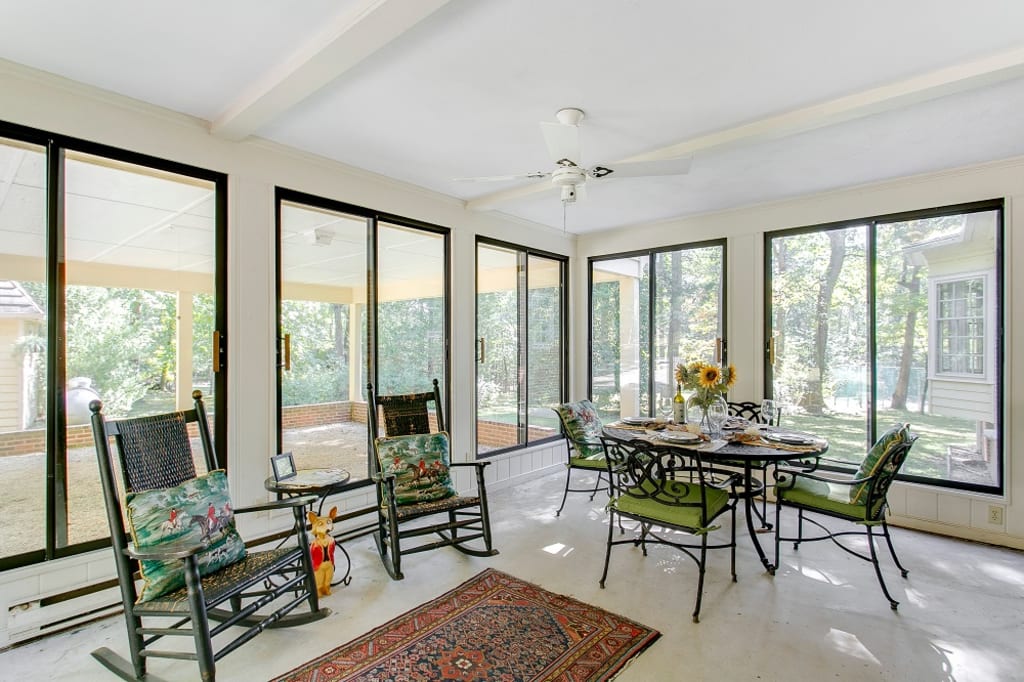
A 3-season sunroom can transform your home into a brighter, more versatile living space that bridges indoor comfort with outdoor beauty during spring, summer, and fall. These glass-enclosed additions enhance your home's value while creating a peaceful retreat where you can enjoy natural light and fresh air for most of the year. This guide covers the essential considerations for adding a 3-season sunroom, from defining your space's purpose to navigating permits and selecting materials, helping you make informed decisions for a successful project.
Define the Purpose of Your Sunroom
Defining the purpose of your 3-season sunroom is a crucial first step that shapes every decision going forward, from construction methods to budget and design. Unlike year-round sunrooms, 3-season spaces are designed for comfortable use during mild weather months, typically from late spring through early fall, when heating and cooling demands are minimal.
Consider how the space will enhance your lifestyle during these prime months. Will it serve as a morning coffee retreat where you can watch the sunrise, a casual dining area for summer entertaining, a home office with inspiring garden views, or a relaxing lounge for evening cocktails? Some homeowners create multipurpose designs, such as combining a reading nook with space for indoor plants or seasonal decorations. Your intended use will guide essential design decisions like window placement, ventilation options, ceiling height, and electrical needs, ensuring the space maximizes comfort during its active months while remaining cost-effective to build and maintain.
Location, Orientation, and Design
Selecting the optimal location for your 3-season sunroom requires careful consideration of your property's layout, seasonal sun patterns, and how you'll use the space during different times of year. The ideal spot maximizes natural light and cross-ventilation while providing convenient access from your main living areas.
South-facing 3-season sunrooms receive abundant sunlight throughout their active months, making them perfect for extending your enjoyment of warm weather. However, they may require additional ventilation and shading options to prevent overheating during hot summer afternoons. East-facing locations capture beautiful morning light and tend to stay cooler during summer evenings, while west-facing sunrooms offer dramatic sunset views but may experience intense late-day heat that requires adequate ventilation.
Beyond orientation, consider practical factors like proximity to existing electrical systems, foundation requirements, and how the addition will integrate with your outdoor living spaces. Since 3-season sunrooms are often used in conjunction with patios, decks, or gardens, plan for smooth transitions between indoor and outdoor areas.
Design your 3-season sunroom to complement your home's architectural style while maximizing ventilation and natural light. Large operable windows, screens, and potentially retractable glass panels allow you to control airflow and temperature naturally. Pay attention to roofline integration, window styles, and exterior materials to ensure visual harmony with your existing structure while creating a space that feels connected to the outdoors.
Budget and Cost Factors
Adding a sunroom is often more cost-effective than building a full room addition, especially when opting for a seasonal design. Three-season sunrooms typically require less insulation and fewer climate control systems, which can help reduce upfront construction costs compared to four-season models designed for year-round use.
Key expenses usually include foundation work, framing, windows, roofing, and essential electrical components. Homeowners should also plan for unexpected costs, such as structural adjustments to the existing home, permit delays, or utility relocation. Setting aside a contingency fund can help absorb these surprises without derailing the project.
To get the most out of your investment, prioritize durable, weather-resistant materials and features that improve comfort and usability, such as quality ventilation, energy-efficient glass, and finishes that handle seasonal changes. Even though seasonal sunrooms may offer limited use in extreme temperatures, they can significantly enhance home value and enjoyment when designed and executed thoughtfully.
Permits, Regulations, and Working with a Contractor
Understanding local zoning laws, building codes, and homeowners association (HOA) regulations is essential before beginning your three-season sunroom project. Many municipalities require permits for additions that alter a home's structure or include electrical systems, even if the space is not intended for year-round use. Building codes dictate important standards for structural integrity, safety, and utility placement, and HOAs may impose design restrictions, size limits, or approval procedures that could affect your plans. Reviewing these guidelines early can help you avoid costly redesigns or construction delays.
Hiring a licensed and insured general contractor with experience building a 3 season room can greatly simplify the process. An experienced contractor not only understands how to meet structural and code requirements for a three-season space but also handles logistics like scheduling inspections, coordinating subcontractors, and securing necessary permits. Their knowledge of local rules and best practices ensures your sunroom is both functional and compliant.
When selecting a contractor, take time to review their references and previous sunroom projects. Compare detailed quotes and assess their familiarity with the design elements unique to seasonal spaces, such as enhanced ventilation, durable materials, and seamless indoor-outdoor transitions. Once hired, establish clear communication about schedules, daily expectations, cleanliness, and how changes will be managed. Setting expectations upfront and maintaining transparency can make all the difference in ensuring your project runs smoothly from start to finish.
Materials, Comfort, and Utility Essentials
Material selection for 3-season sunrooms must balance durability, aesthetic appeal, and the ability to handle seasonal temperature variations without the protection of full climate control. Choose flooring materials that resist sun damage and temperature fluctuations, such as ceramic tile, luxury vinyl plank, sealed concrete, or outdoor-rated composite materials. Avoid materials prone to expansion, contraction, fading, or moisture damage during seasonal transitions.
Quality framing materials should offer excellent structural integrity and weather resistance while allowing for natural ventilation. Aluminum and vinyl frames work well for 3-season applications, while wood frames require proper sealing and maintenance. Glass selection focuses on maximizing natural light and views while providing protection from wind and rain. Single-pane glass may be adequate for 3-season use, though double-pane options offer better temperature stability and noise reduction.
Roofing materials must balance natural light transmission with weather protection. Options include insulated glass panels, polycarbonate sheets, or traditional roofing materials with skylights or clerestory windows for natural light.
Plan for maximum ventilation to ensure comfort during warm months. Include operable windows on multiple walls to create cross-breezes, consider ridge vents or other passive ventilation systems, and potentially include ceiling fans for air circulation. Since 3-season sunrooms rely on natural airflow rather than mechanical systems, thoughtful ventilation planning is crucial for comfort.
Plan electrical needs early in the design process, focusing on lighting options for different times of day and adequate outlets for fans, electronics, or seasonal decorations. While 3-season sunrooms don't require HVAC systems, proper electrical planning ensures the space remains functional and enjoyable throughout its active months.
Adding a 3-season sunroom represents an excellent investment that can provide months of enjoyment and increased home value while remaining more budget-friendly than year-round alternatives. Success requires defining your seasonal purpose, choosing the right location with optimal ventilation, establishing a realistic budget, understanding regulations, hiring qualified professionals, and selecting materials suited for temperature variations. With thoughtful planning and execution, your new 3-season sunroom will become a cherished space that enhances your warm-weather lifestyle while adding lasting value to your home.
About the Creator
Keep reading
More stories from Kara Masterson and writers in Humans and other communities.
Essential Farm Equipment to Remember in Your Budget
In the realm of farming, the importance of having the right equipment cannot be overstated. It is the cornerstone of operational efficiency and success. Whether you're embarking on a new journey as a farmer or considering an upgrade to your current setup, investing in essential farm tools is pivotal for boosting productivity and profitability. The right equipment not only simplifies processes and alleviates manual labor but also ensures that farm operations run smoothly throughout the year. Let’s delve into some of the indispensable equipment that should be a priority in your budget.
By Kara Mastersonabout a year ago in Humans
Home Wasn’t Safe, But It Was All I Had
Home Wasn’t Safe, But It Was All I Had Home is supposed to be where you exhale. Where your shoulders drop. Where your body knows it can rest. For me, home was never that place. Home was tension dressed up as normal. It wasn’t safe, but it was familiar. And for a long time, that had to be enough.
By Imran Ali Shahabout 23 hours ago in Humans



Comments
There are no comments for this story
Be the first to respond and start the conversation.