
What is the best method to purify water?
What is the best method to purify water?
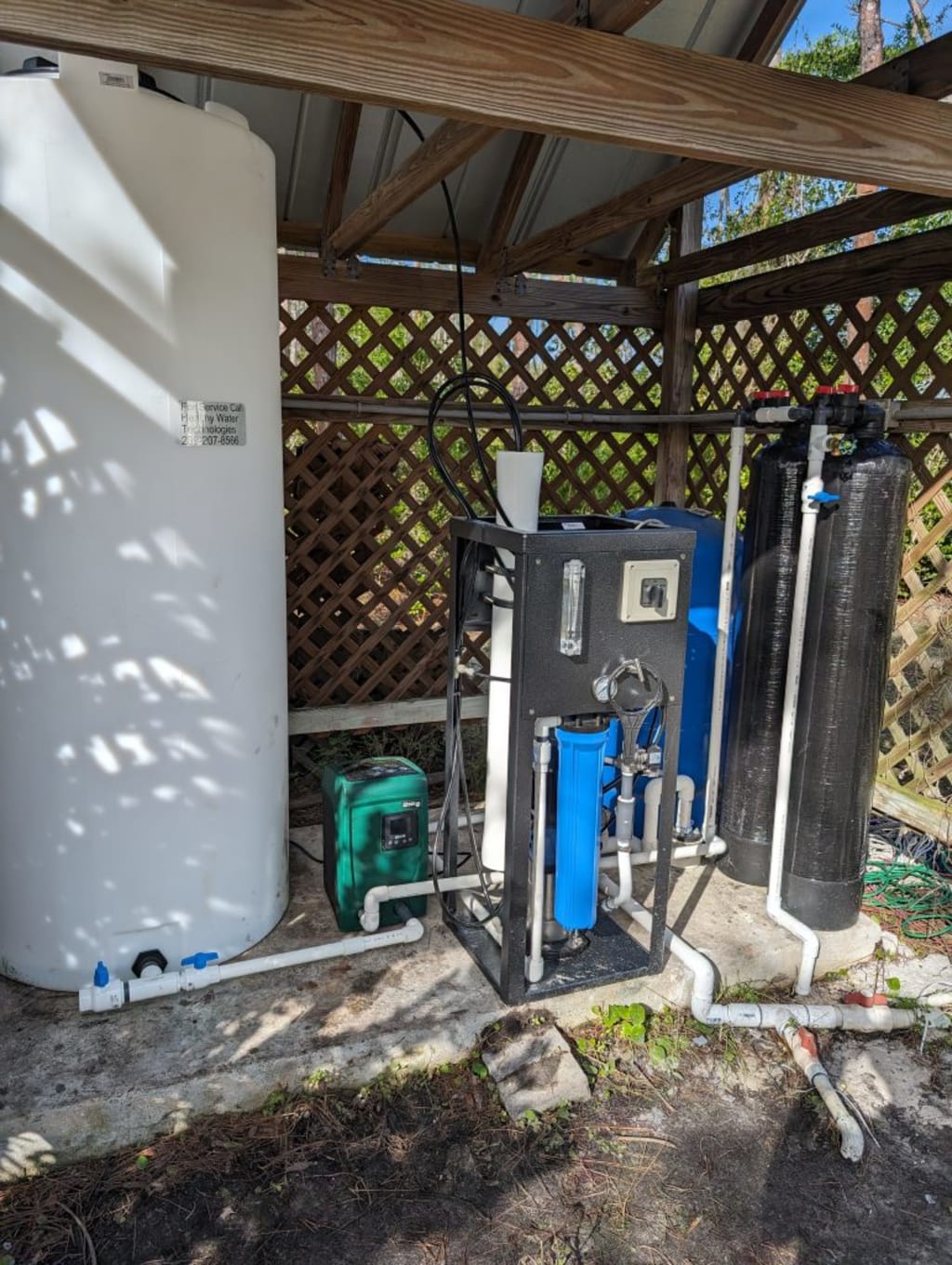
Water, the elixir of life, is essential for human survival. However, the quality of water available to us is often compromised by various contaminants, ranging from harmful microorganisms to chemical pollutants. This necessitates the need for effective water purification methods to ensure the safety and health of populations worldwide. In this comprehensive exploration, we delve into the intricacies of water purification, examining the most prevalent techniques and their applications in different contexts.
Understanding the Need for Water Purification
Before delving into the methods, it's crucial to comprehend the significance of water purification. Contaminated water can transmit a myriad of diseases, including cholera, typhoid, dysentery, and hepatitis A.
Moreover, exposure to chemical pollutants can lead to chronic health issues such as cancer and reproductive problems. By understanding the potential hazards, we can appreciate the importance of safeguarding our water supply through effective purification processes.
Common Contaminants in Water
To effectively address water purification, it's essential to identify the types of contaminants that pose a threat. These contaminants can be broadly categorized into:
Biological contaminants: Bacteria, viruses, parasites, and other microorganisms.
Chemical contaminants: Inorganic and organic compounds, including heavy metals, pesticides, herbicides, and industrial chemicals.
Physical contaminants: Suspended solids, turbidity, color, and odor.
Understanding the specific contaminants in a water source is crucial in selecting the appropriate purification method.
Water Purification Methods: A Comparative Analysis
A plethora of water purification methods exists, each with its strengths and limitations.
The choice of method depends on factors such as the type and level of contaminants, the desired water quality, and the available resources.
Physical Purification Methods
Filtration:
Involves passing water through a porous medium to remove suspended solids and larger microorganisms.
Types include sand filtration, ceramic filters, and membrane filters.
Effective for removing particles but may not eliminate all microorganisms.
Sedimentation:
Allows suspended particles to settle under gravity.
Often used as a pretreatment step before other purification methods.
Distillation:
Water is boiled, and the resulting vapor is condensed to produce pure water.
It effectively removes all contaminants, but is energy-intensive and slow.
Chemical Purification Methods
Chlorination:
Involves adding chlorine to kill microorganisms. Widely used for municipal water treatment and disinfection. Effective against most bacteria and viruses but less effective against some protozoa and cysts.
Ozonation:
Uses ozone gas to oxidize contaminants and kill microorganisms. Effective against a wide range of contaminants, but requires specialized equipment.
Coagulation and Flocculation:
Chemicals are added to cause small particles to clump together, forming larger particles that can be easily removed. Often used as a pretreatment step before filtration.
Biological Purification Methods
Water Treatment Wetlands:
Utilize natural or constructed wetlands to purify water through biological and physical processes.
Effective for removing nutrients, organic matter, and some contaminants.
Suitable for large-scale water treatment.
Biofiltration:
Uses microorganisms to break down contaminants in water.
Effective for removing organic matter and some chemicals.
Advanced Purification Methods
Reverse Osmosis:
Forces water through a semi-permeable membrane, removing dissolved salts and other contaminants. Highly effective but can be energy-intensive and produce wastewater.
Ultraviolet (UV) Disinfection:
Uses UV light to kill microorganisms. Effective against a wide range of pathogens but does not remove chemicals or particles.
Nanofiltration:
Removes larger molecules and particles while allowing smaller molecules to pass through. Can be used for water softening and removal of certain contaminants.
Choosing the Right Purification Method
Selecting the optimal water purification method requires a comprehensive assessment of various factors:
Water quality: Identify the specific contaminants present in the water.
Desired water quality: Determine the required standards for drinking, industrial, or agricultural use.
Cost: Consider the economic implications of different methods.
Energy consumption: Evaluate the energy requirements of each option.
Environmental impact: Assess the potential environmental consequences.
Availability of resources: Consider the availability of equipment, chemicals, and skilled personnel.
Case Studies: Water Purification in Different Contexts
Developing Countries: Focus on affordable and low-tech methods like filtration, solar disinfection, and water treatment wetlands to address challenges of access to clean water.
Industrial Settings: Employ advanced technologies like reverse osmosis and ion exchange to remove specific contaminants and meet stringent water quality standards.
Household Use: Utilize point-of-use water purification systems, such as filters, UV purifiers, or boiling, to ensure safe drinking water.
Conclusion
Water purification is a complex and multifaceted field with a profound impact on human health and well-being. By understanding the various purification methods and their applications, we can make informed decisions to protect our water resources and safeguard public health. As the global population grows and water scarcity intensifies, the development and implementation of sustainable and efficient water purification technologies become increasingly critical.
About the Creator
Keep reading
More stories from Jane Smith and writers in Humans and other communities.
How To Fix Garage Door Opener
A garage door opener is a complex piece of machinery that, while generally reliable, can experience issues. From simple problems like remote malfunctions to more complex mechanical failures, understanding the basics of your garage door opener can save you time and money. This guide will walk you through common issues, troubleshooting steps, and potential DIY repairs.
By Jane Smith about a year ago in FYI
Timothy Busfield and the Quiet Weight of a Lasting Career
Fame often arrives loudly, but it rarely stays that way. For some actors, the spotlight fades fast. For others, it settles into something quieter, steadier, and more meaningful. Timothy Busfield belongs to the second group. Many people recognize his face before they remember his name. He has been part of television and film for decades, never chasing noise, never disappearing either. His career is not built on constant headlines but on steady presence and honest work. Looking at Timothy Busfield today is not about nostalgia alone. It is about understanding how a long career survives changing audiences, shifting tastes, and personal growth without losing its soul.
By Muqadas khan6 days ago in Humans




Comments
There are no comments for this story
Be the first to respond and start the conversation.