
What is Oil Painting?
Oil painting is a traditional medium that has been used by artists for centuries. It involves the use of oil-based paints, which are made by mixing pigment with a drying oil, such as linseed oil or poppyseed oil. The oil acts as a binder, holding the pigment particles together and giving the paint its characteristic consistency and durability
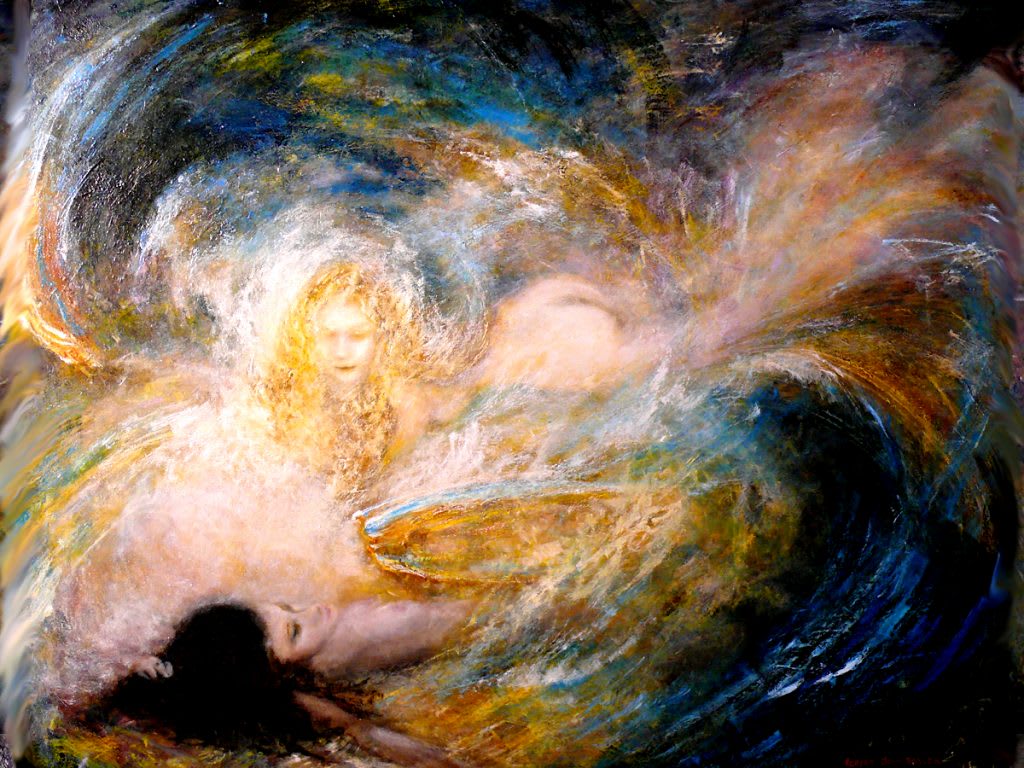
Oil painting is a traditional medium that has been used by artists for centuries. It involves the use of oil-based paints, which are made by mixing pigment with a drying oil, such as linseed oil or poppyseed oil. The oil acts as a binder, holding the pigment particles together and giving the paint its characteristic consistency and durability.
Oil paintings are known for their ability to create rich, luminous colors, and their slow drying time, which allows artists to manipulate the paint and blend colors easily. This makes oil painting a popular choice for creating detailed, realistic paintings, as well as for more expressive, impressionistic styles.
Oil paintings are typically created on a support, such as a canvas or wooden panel, using brushes or other tools to apply the paint to the surface. The painting can then be left to dry naturally, or the artist may use heat or chemicals to speed up the drying process. Once the painting is dry, it can be varnished to protect the surface and enhance the colors.
Overall, oil painting is a versatile and enduring medium that continues to be popular among artists today.
Oil Painting Techniques
Oil painting is a traditional medium that has been used by artists for centuries. It is known for its ability to create rich, luminous colors and its slow drying time, which allows artists to manipulate the paint and blend colors easily.
There are many different techniques that can be used when painting with oils, and each artist may have their own unique style. Some common techniques include:
Blending: This technique involves using a brush or a palette knife to blend two or more colors together on the canvas to create a smooth, graduated transition between the colors.
Glazing: This technique involves applying a thin layer of transparent color over another color to create a layered effect. The underlying color will show through the glaze, giving the painting a sense of depth and luminosity.
Dry brushing: This technique involves using a brush that is almost dry to create a textured effect on the canvas. It can be used to create the appearance of fur, hair, or other fine details in a painting.
Scumbling: This technique involves using a dry brush to apply a thin, transparent layer of color over a dry underpainting. It can be used to add texture and depth to a painting.
Impasto: This technique involves applying thick, textured layers of paint to the canvas using a palette knife or other tool. It can create a bold, dramatic effect in a painting.
Overall, the techniques used in oil painting are designed to create a wide range of effects and textures, and can be combined in endless ways to create unique and beautiful paintings.
You can get the special course on advanced oil painting techniques for a very low cost
Advanced Oil Painting Techniques
A high-quality art course and eBook that changes people's lives.
As mentioned, very few people know the 12 advanced (professional) techniques. So everyone who is currently painting can benefit from these two courses.
If you only have 3 notes, you are limited in the music you can create. The same is true of oil paints. Most people use only three techniques when painting.
There are 12 techniques.
I call them "advanced techniques" to send the message that there are, and that some techniques are incredibly powerful. (Many artists and art teachers don't even know these professional techniques exist.)
Each of them teaches 12 techniques. The artist learns them as they create complex paintings.
The difference an artist feels and experiences in being able to use all 12 techniques is similar to the difference one feels in composing emotional music or lyrics compared to composing "Three Blind Mice."
About the Creator
Keep reading
More stories from living picture and writers in Humans and other communities.
The best natural therapies at home for reducing acidity and heartburn
Acidity is something that we've all felt at some point or another. Severe stomach discomfort, burning, bloating, hiccups, flatulence, and acid reflux are some of the most common symptoms. If you frequently get acid reflux and heartburn, you might choose for natural treatments.
By living picture3 years ago in Lifehack
📢 Raise Your Voice Thread: 01/08/2026
Our “Raise Your Voice Threads” are hosted most alternating Thursdays at 12PM ET to offer creators more avenues to uncover exceptional stories on Vocal. As we are continuously searching for fresh creators and inspiring stories, this thread provides an opportunity to exchange and discuss the stories that have moved and motivated us on Vocal.
By Raise Your Voice by Vocal7 days ago in Resources



Comments
There are no comments for this story
Be the first to respond and start the conversation.