
What is Fire Insurance for Hospitals?
Hospitals and Medicare Institutions Need Fire Insurance

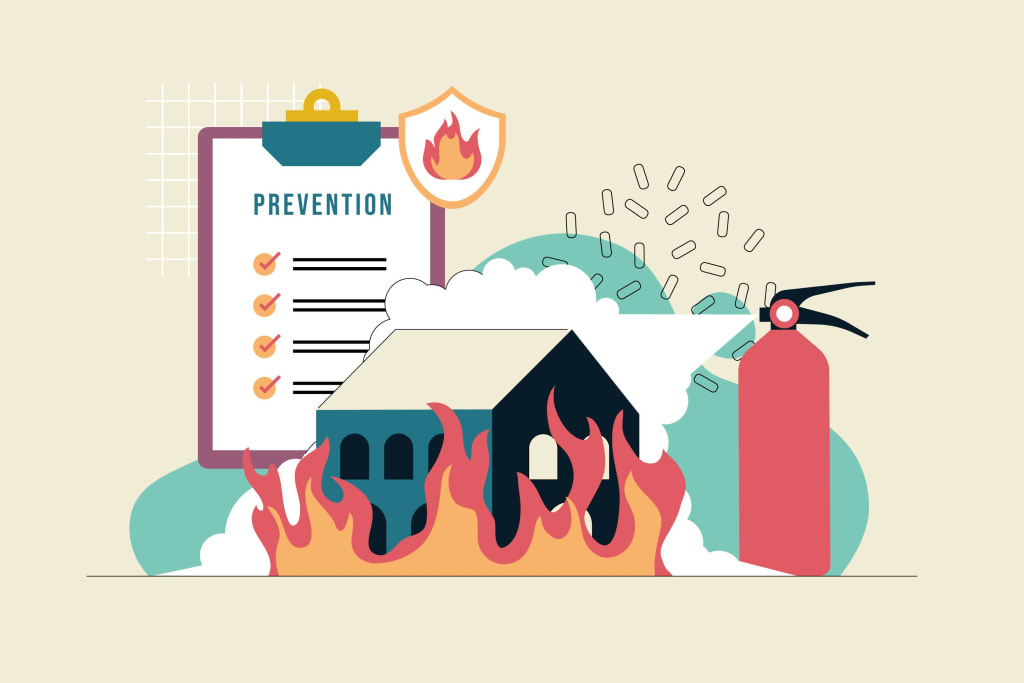
There are few places where the phrase "an ounce of prevention is worth a pound of cure" holds truer than in hospitals. These institutions are responsible for the health and well-being of countless individuals every day, making it imperative that they take all necessary precautions to ensure the safety and security of their patients, staff, and facilities. One such precaution that should not be overlooked is fire insurance - a vital tool for protecting hospitals from potentially devastating losses caused by fires. In this blog post, we'll explore everything you need to know about fire insurance for hospitals, including its benefits and why it's an essential investment for any healthcare facility looking to safeguard its future.
What is Fire Insurance for Hospitals?
Fire insurance for hospitals is a type of coverage that helps protect the hospital's physical structure and contents in the event of a fire. This can include things like the hospital's buildings, equipment, and supplies. It can also help cover the costs of evacuating patients and staff, as well as any business interruption caused by the fire.
While fires are relatively rare, they can have a devastating impact on a hospital. That's why it's important for hospitals to have adequate fire insurance coverage. This coverage can help ensure that the hospital is able to quickly recover from a fire and continue providing quality care to its patients.
Types of Fire Insurance Coverage for Hospitals
There are three types of fire insurance coverage for hospitals: first-party property insurance, third-party property insurance, and business interruption insurance.
First-party property insurance covers the hospital's own buildings, equipment, and contents. This type of coverage is important because it helps the hospital to recover from a fire quickly and get back to business.
Third-party property insurance protects the hospital from liability if a fire damages another person's property. This type of coverage is important because it can help to prevent lawsuits and financial losses if the hospital is found responsible for a fire.
Business interruption insurance provides coverage for lost income and expenses incurred while the hospital is closed due to a fire. This type of coverage is important because it helps the hospital to stay afloat financially after a fire.
Pros and Cons of Fire Insurance for Hospitals
There are many factors to consider when determining if fire insurance is the right choice for your hospital. The pros of fire insurance include:
Protection from loss: Fire insurance can help protect your hospital from the financial loss that can come from a fire.
Peace of mind: Having fire insurance can give you peace of mind knowing that your hospital is protected in the event of a fire.
Affordable coverage: Fire insurance is typically very affordable, making it a great option for hospitals on a budget.
The cons of fire insurance include:
Deductibles: Most fire insurance policies come with a deductible, which means you will have to pay out of pocket before your coverage kicks in.
Exclusions: Some types of damage may be excluded from your fire insurance policy, so it's important to read the fine print to make sure you're covered.
Limited coverage: Fire insurance typically only covers the physical structure of your hospital, not the contents inside.
How to Choose the Right Coverage for Your Hospital?
When it comes to choosing the right coverage for your hospital, there are a few things you need to take into consideration. First, you need to think about the value of your property and assets. You also need to think about the type of fire risk that your hospital faces. You need to consider your budget and the amount of coverage you can afford.
The value of your property and assets should be the first thing you think about when choosing coverage for your hospital. You need to make sure that you have enough coverage to replace everything in the event of a fire. To do this, you will need to get an estimate of the replacement cost of your property and assets. You can get this information from a variety of sources, including insurance companies, appraisers, and online calculators.
The type of fire risk that your hospital faces is another important factor to consider when choosing coverage. If your hospital is in an area with a high risk of wildfires, for example, you will need more coverage than if it were in an area with a low risk of fires. To determine the type of fire risk that your hospital faces, you can talk to your local fire department or look up statistics on wildfires in your area.
You need to consider your budget when choosing coverage for your hospital. You want to make sure that you are getting the best coverage possible without breaking the bank.
Common Misconceptions about Fire Insurance
There are a lot of misconceptions about fire insurance out there. Here are some of the most common ones:
1. Fire insurance is only for businesses.
2. Fire insurance is too expensive.
3. Fire insurance is not worth the hassle.
4. I don't need fire insurance because my building has sprinklers.
5. My home insurance will cover any fire damage.
6. I don't need fire insurance because I live in a safe neighborhood.
7. Only buildings need fire insurance, not contents.
8. My business is too small to need fire insurance.
Alternatives to Fire Insurance for Hospitals
There are many ways to protect hospitals from the financial devastation that a fire can cause. Fire insurance is one way, but there are others. Here are some alternatives to fire insurance for hospitals:
1. Property insurance: This type of insurance protects the hospital's physical property from damage caused by a fire. It can cover the cost of repairs, replacement, and cleanup.
2. Business interruption insurance: This type of insurance can help the hospital keep its doors open after a fire by covering lost income and extra expenses incurred while the facility is being rebuilt.
3. Malpractice insurance: If a patient is injured or dies because of a fire at the hospital, this type of insurance can help cover the cost of any legal claims that may be filed against the facility.
4. Employee retention insurance: This type of policy can help the hospital retain its staff after a fire by paying them their salary for a period while the facility is closed for repairs.
5. Community support: One way to offset the financial impact of a fire is to seek support from the community. Local businesses may be willing to donate supplies or services, and individuals may be able to contribute financially to help with recovery efforts.
Conclusion
Hospitals are an important part of the medical industry and should be protected from any kind of fire risk. Fire insurance is one way to ensure that hospitals can protect their property, staff, patient records, equipment, and much more in the event of a fire. The benefits of fire insurance for hospitals make it an option worth considering for hospital administrators looking to keep their facilities safe and secure. Investing in this type of coverage will provide peace of mind knowing that there is protection available if a disaster were to occur.
About the Creator
Jayant Upadhyay
Jayant is a content marketer and leading strategist. He has 12 years of experience in content and digital business. When he is not writing, he is gardening, listening to songs and reading novels. He is working with BimaKavach
Keep reading
More stories from Jayant Upadhyay and writers in Humans and other communities.
Exploring the Significance of STFI in Fire Insurance
Are you aware of the critical role that STFI plays in fire insurance? If not, it's time to dive into this fascinating topic and uncover its true significance. Fire insurance is a vital aspect of protecting our homes, businesses, and properties from unexpected disasters. And within this realm, Short-Term Financing Instruments (STFI) have emerged as game-changers, revolutionizing how insurers assess risks and provide coverage. In this blog post, we will unravel the intricacies of STFI in fire insurance and equip you with the knowledge necessary to navigate this ever-evolving landscape effectively.
By Jayant Upadhyay3 years ago in Humans
Why Didn't Anyone Tell Us
Men, move along. This is not for you. This is for the women. I was forty-five when I began menopause. It is pretty young for that to be going on in a woman’s life, but I had undiagnosed PCOS, my entire life. Thank you to all the gynecologists I had seen my entire life. That in itself should encourage women to keep seeking second opinions, especially when you are not getting correct answers or any at all.
By Alexandra Grant4 days ago in Humans
Writing To Succeed
If you want to find something that will help readers find your writing, possibly expand your audience, and maybe even get you noticed for other things, then you’re not alone. But how can you get it done in a world full of want-to-be writers? Look less at what you’re writing now, and more at what other writers have used to boost their views and reads.
By Jason Ray Morton 7 days ago in Writers




Comments
There are no comments for this story
Be the first to respond and start the conversation.