
What Is 28th Amendment
Proposals That Could Shape the Next Chapter in American Democracy

What Could the 28th Amendment Be? Exploring Potential Changes to the U.S. Constitution
The U.S. Constitution has stood the test of time as a foundational document, guiding the nation since its ratification in 1789. Over the years, amendments have refined and expanded the Constitution, addressing evolving societal needs. With 27 amendments currently ratified, conversations about a potential 28th Amendment have been circulating for years. But what might this historic amendment entail? Let’s explore some of the possibilities and the societal issues they aim to address.
Campaign Finance Reform
One of the most discussed proposals for a 28th Amendment focuses on campaign finance reform. Advocates argue that the influence of money in politics has undermined democracy, giving disproportionate power to wealthy donors and special interest groups. A 28th Amendment could impose strict limits on campaign contributions, require greater transparency in political spending, and overturn controversial Supreme Court decisions like Citizens United v. FEC. Such changes would aim to restore faith in the electoral system and ensure that every citizen’s voice carries equal weight.
Term Limits for Congress
Another popular proposal is implementing term limits for members of Congress. Currently, representatives and senators can serve unlimited terms as long as they are reelected. Critics argue that this leads to entrenched career politicians and stifles fresh perspectives in government. A 28th Amendment could set term limits, such as three terms for House members and two terms for senators, fostering a political environment driven by public service rather than career ambitions.
The Equal Rights Amendment (ERA)
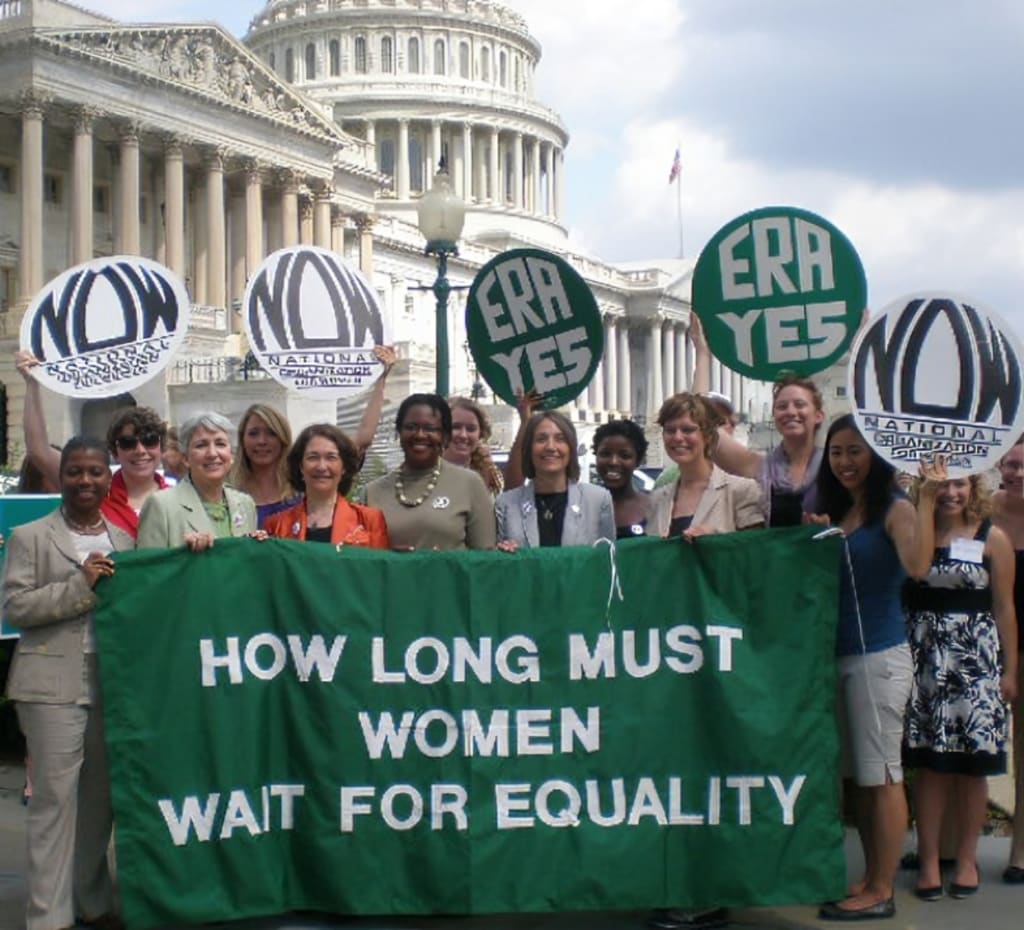
Though the Equal Rights Amendment was first proposed in 1923 and passed by Congress in 1972, it has yet to achieve full ratification. The ERA seeks to guarantee equal rights under the law regardless of sex. Many advocates view the ERA as a critical step toward eliminating gender-based discrimination. A 28th Amendment could serve to formally adopt the ERA, sending a strong message about the nation’s commitment to equality.
Voting Rights Protections
The right to vote is fundamental to democracy, yet it remains a contentious issue in the United States. Efforts to restrict voting access, gerrymandering, and allegations of voter suppression have sparked calls for stronger protections. A 28th Amendment could enshrine universal voting rights, set national standards for election administration, and prevent discrimination in voting practices. Such an amendment would aim to uphold the integrity of elections and ensure that every eligible voter can participate freely and fairly.
A Balanced Budget Amendment
With the federal government’s national debt surpassing $30 trillion, some policymakers have proposed a balanced budget amendment. This would require the government to balance its budget annually, prohibiting deficit spending except in emergencies such as war or economic crises. Proponents believe this would enforce fiscal discipline, while critics warn it could limit the government’s ability to respond to unforeseen challenges.
Addressing Emerging Issues
Beyond these commonly discussed topics, a 28th Amendment could also tackle emerging issues such as:
Digital Privacy Rights: As technology evolves, concerns about data privacy and surveillance grow. A constitutional amendment could establish robust protections for individuals’ digital privacy.
Environmental Protections: A 28th Amendment could recognize environmental rights, ensuring clean air, water, and a healthy planet for future generations.
Healthcare Access: Some have called for an amendment guaranteeing access to affordable healthcare as a fundamental right.
The Path to Ratification
Amending the Constitution is no small feat. It requires either a two-thirds majority in both the House and Senate or a constitutional convention called by two-thirds of state legislatures. In either case, the proposed amendment must then be ratified by three-fourths of the states. This rigorous process ensures that only amendments with broad, bipartisan support can become law.
Conclusion
The idea of a 28th Amendment sparks passionate debate across the political spectrum. Whether addressing campaign finance, voting rights, or another critical issue, such an amendment would reflect the values and priorities of the American people. While the road to ratification is challenging, the conversation itself is a testament to the enduring relevance of the Constitution and the democratic process. What do you think the 28th Amendment should address? Let us know in the comments below!
About the Creator
what does true freedom mean in the modern world?
freedom is one of the most powerful ideas humanity has ever imagined. entire civilizations have risen and fallen around it. revolutions have been fought in its name. constitutions have been written to protect it. people have sacrificed comfort, safety, and sometimes their lives so that future generations could experience it.
By Arjun. S. Gaikwad6 days ago in Humans
The First Rainbow Baby
Pitter-patter, pitter-patter. The rain fell in rhythmic splatters, slowly slowing, but still constant. Mira rolled onto her side pulling the blanket tight against her ears, but still she could hear chitter-chatter and scurrying feet of the creatures that refused to sleep in the lower decks.
By A. J. Schoenfeld2 days ago in Fiction




Comments (1)
Good work! Great job! Wonderful’