
What Happened to Debates?
The conflict can be productive. We don't allow it to.

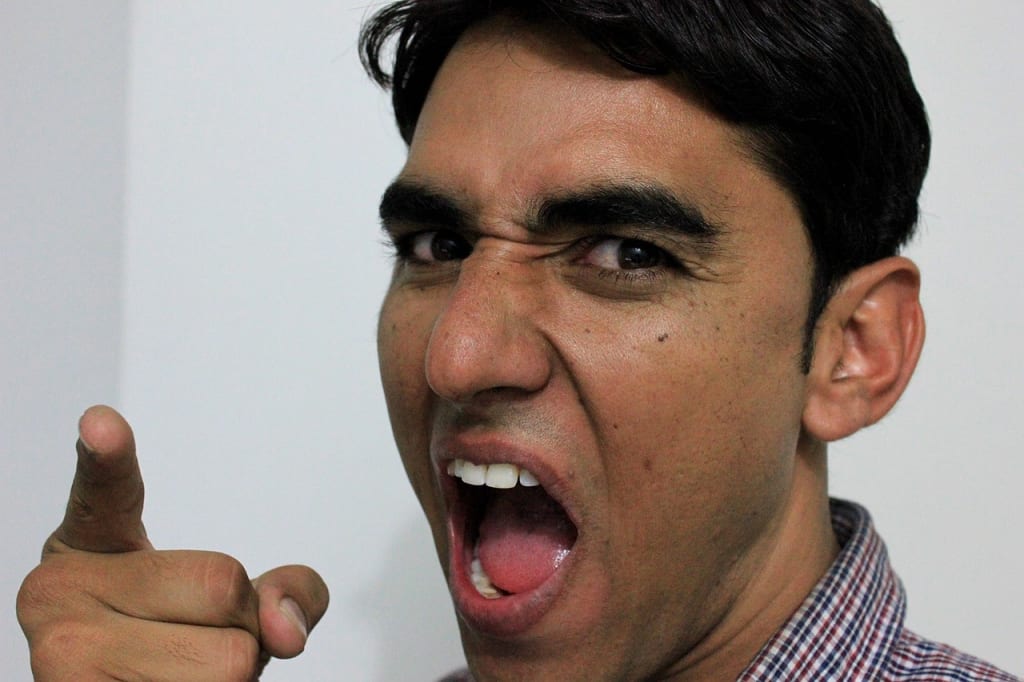
Today got me wondering - have most people lost their ability to have a healthy debate, or have they never had one in the first place?
The world is filled with controversies and opposing ideas. It has always been. The conflict is embedded in human nature. We are all individuals with different sets of experiences, feelings, and values. Each of these shape our views and beliefs. Simply put, two people will never fully agree on literally everything. And it is okay.
In fact, despite of how it’s often perceived, conflict isn’t necessarily destructive. When handled well by both sides involved, it is, actually, a perfect soil for new ideas and solutions. A compromise born from two clashing standpoints breeds options that have not been previously considered.
However, the issue lies in the fact that most people are not looking for solutions. They are looking for ways to feed into their egos. With one’s conviction of righteousness, they won’t as much as hear the other party, let alone reason with them or try and see things from a different perspective. That’s when the conflict gets destructive.
When people surrender to petty insults and seek to humiliate the other, assert their questionable dominance and convince themselves they simply know better. I’m not sure if that’s the consequence of my getting older and therefore becoming able to partake in controversial topics as an equal, but recently it seems that the art of a productive debate is lost.
I have two samples from my personal experience of when my views clashed with someone else’s. The topic of both is the same - the current situation in Ukraine. Being born and raised in Eastern Europe, I find the subject very important and am therefore passionate about it. However, I understand not everyone shares my opinion. My point has never been to prove them wrong or to make them change the way they think.
I will preface these examples with the fact both individuals I’ve conversed with are not petty internet trolls. One is my own countryman, a doctor, someone you’d normally hold in high regard. The other is a Serbian lady I met at a friend gathering.
So, let’s begin with the Serbian lady.
It’s no secret that most Serbians are not on Ukraine’s side. I happened to meet this woman on the very same day I attended a pro-Ukraine protest, and she was very interested to discuss why I felt the need to go there.
Needless to say, we have opposing opinions. We’ve ended up engaging in a lengthy discussion, both presenting our standpoints and explaining why we think the way we do. We were, of course, disagreeing. Yet at no point were we demeaning to one another. Even when it was getting heated, we both remained respectful and stuck strictly to the topic.
Not going to lie, it was the most fun I’ve had in a long time. The feeling was mutual. That evening I made a new friend, even though people around us thought we were seconds away from getting physical. Every time we run into each other now, we always talk about that debate and how great it was to have it. While we have never touched the topic of Ukraine again as it is something we agree to disagree on, we found out we really enjoy talking to each other.
And so while we did have a conflict of sorts, we ended up becoming fast friends. Sure, our views are still different. Yet we are happy and excited to see each other. This could have had a very different outcome. And that’s what happened in the next situation.
An owner of a bar in my home country posted a story about how a Ukrainian refugee got drunk and belligerent in her establishment. He was disrespectful to patrons, cursed the country and, finally, physically harmed a waitress. The post itself was using this bad apple to generalise all Ukrainian refugees, calling for the government to send them back or to stop providing them help.
I jumped the discussion in comments by stating that people from our country have a very similar reputation abroad. Especially when it comes to a drunken brawl. In fact, our people can take things even further. I brought up an example from 3 months ago when our countryman stabbed a 4-year-old girl in England. I’ve also shared a personal experience, when some 50+ men from my country decided to have a drunk party outside my window, in the middle of the week. When asked to tone it down, I was cursed out. Upon threatening to call the police, glass bottles were thrown at my window.
The point of my comment, which I’ve also concluded, was that there are bad people in every nation. Using them as an umbrella term for everyone of the same origin is not right and not fair.
And that’s when the man I’ve never spoken to, who, according to his page is a well-experienced doctor, questioned me. He asked, how come we don’t see our national flags all over the country of my residence, then? Mind, he lives in our home country, and I live abroad. I’ve simply answered him there are actually plenty, he just needs to go to neighbourhoods with a high population of our people. To which I’ve been called delusional.
I chose not to answer as, frankly, I have no interest in talking to people that surrender to telling me I know nothing when, in fact, they are the ones with no knowledge. However, another lady asked him if his problem was with people, or with the flag. His answer? The flag.
I and the lady then had a quick chat about how human scum exists everywhere, and it matters not what flag you put them under. Mind, I have not spoken to the doctor at all.
He then, however, felt the need to inform me that based on my pictures (on my private Facebook page), I need psychological help. I’ve politely shot him down that he is a gynaecologist, therefore my mental health diagnosis is not his field of expertise. Nor do I believe he can diagnose me through Facebook.
From there I received a couple more insults of similar nature. Finally, he said he can’t stand ‘psychopaths like me who claim to love our country from afar’. Through all this, I have not once questioned his intelligence, called him names or made digs at his personality. I was just constantly asking him to stop making irrelevant comments about me based on my looks and to talk to me about the topic at hand. After asking him to point out where exactly I’ve claimed I loved our country, as I emigrated precisely because I don’t, I’ve got the following reply:
“I can tell you don’t, at least you’re not hiding it. Now get some help, I have no time to talk to psych ward patients. Have a nice life.”
With this, this 40something-year-old man, who works in the public health sector, blocked me. I’m not upset over the insults he hurled at me. I’m saddened that he is the type of specialist young women will be encountering in a more vulnerable situation than Facebook comments.
He jumped my comment with an irrelevant dig, he was biased and demeaning from the start and he would surrender to personal insults the moment he saw he had no expertise in what he was trying to preach. I assume he was trying to provoke me to stoop to his level, but when I didn’t he fled by blocking me. How sad.
The reason I’m writing this is that the latter scenario is the one I see all the time. I’ve been sucked into it countless times too. People can’t seem to respect the fact others have different views and surrender to plain rudeness to express their disagreement.
But what is the point of this? Do they really think that if they insult the other person enough, they will magically change their mind and join the “right” side? Heck no. Aggression leads to defence, and then any hope for reasoning goes through the window. This is no way to debate as it only leads to anger, resentment and hurt feelings.
Way too often people seem to believe that the end of the conflict is when one of the sides admits their defeat and backs down. But this is not how it works. Our views are formed by our past experiences, the values we’ve got instilled growing up and the environment we live in. They cannot be changed within the short proximity of a debate. This is the one and only thing that needs to be understood for a debate to be healthy, not toxic.
The goal of a debate is to throw different ideas at each other and draw something new out of them. Not to change your opponent’s mind. I feel like this is something we were capable to do effectively in the past, but now? It’s a rarity.
Maybe that’s the sense of pseudo-security of being a faceless person on social media. Maybe it’s the inflation of egoism prevalent in our day and age. Or maybe it’s always been like this and I’ve just not been exposed to it earlier,
What do you think? Let me know your thoughts.
About the Creator
Eugenija Steponkutė
Anime enthusiast and wine addict.
Goddess of Salt.
Keep reading
More stories from Eugenija Steponkutė and writers in Humans and other communities.
'Madlax' - Modern Political Affairs?
Although a seasoned otaku, I have only seen two war-related animes. And by war I mean an actual war, not the holy one—the concept not-so-rare and rather overused. The first one was Grave of the Fireflies, the movie that sent me sobbing. The second, First Squad: The Moment of Truth, also made me cry, although for very different reasons. (Hint: read the existing reviews.)
By Eugenija Steponkutė8 years ago in Geeks



Comments
There are no comments for this story
Be the first to respond and start the conversation.