
What causes sudden increase in blood pressure?
what causes high blood pressure? What is sudden pressure?

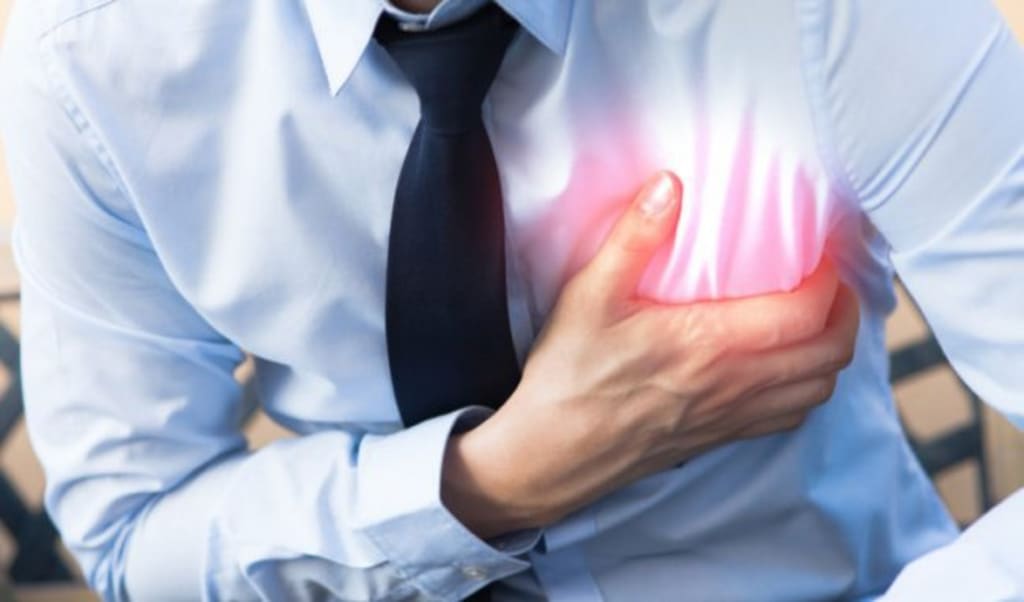
Sudden hypertension is a condition in which the pressure of blood hitting the wall suddenly increases, up to 200mmHg. Sudden high blood pressure, if not treated promptly, can cause events such as broken blood vessels, narrowed arteries, cerebral infarction, acute heart failure, cerebral hemorrhage, etc. So what causes high blood pressure? What is sudden pressure?
1. What is sudden increase in blood pressure?
Sudden hypertension is a condition in which blood pressure suddenly increases very high, possibly up to 200mmHg or above 200mmHg. At this time, the body will appear some symptoms such as:
• Severe headache, dizziness and dizziness
• Sudden blurred vision, difficulty speaking
• Chest pain, abnormally fast heartbeat or difficulty breathing
• Nosebleeds, nausea or vomiting
• Weakness in the arms and legs, suddenly unable to lift the legs, unsteady walking, falling, dropping things,...
• Mouth distorted, facial muscles deviated to one side
• Decreased urine output
• Convulsions, mental confusion, coma
2. Causes of sudden increase in blood pressure
* Stop taking the drug
One of the common causes of sudden high blood pressure is stopping taking medication or not taking medication as prescribed by your doctor. According to statistics from Huynh Van Minh and colleagues in 2019 in Vietnam, 1 in 5 people with hypertension do not receive treatment, and among those who are being treated for hypertension, nearly half are not treated to lower blood pressure. achieve the goal of preventing complications. When you have high blood pressure, you may need to take lifelong medication to control your blood pressure. To achieve the desired treatment effect and maintain stable blood pressure, you need to use medication as prescribed by your doctor. Taking a lower dose may cause a sudden increase in blood pressure. However, in some cases, if your blood pressure drops or returns to normal over a long period of time, your doctor may recommend a lower dose but your blood pressure will still need to be monitored daily.
* Improper diet
A diet high in salt or salty foods can cause sudden increases in blood pressure. This is because excess salt can strain the arteries, causing their walls to become thicker and narrower and begin to clog. This not only causes a sudden increase in blood pressure but also hinders the body's ability to deliver blood, oxygen and important nutrients to other organs. In addition, consuming processed foods such as pickles and ready-to-eat foods such as French fries can also increase blood pressure. Besides, eating a lot of red meat and drinking alcohol also increases the risk of sudden high blood pressure.
*Drug interactions
If you are taking medication to treat any health problems including coughs and colds, you should notify your doctor immediately. Because some medications can cause drug interactions, increasing or decreasing the treatment effectiveness of blood pressure medications. For example, some common cold medications contain sympathomimetic ingredients that increase blood pressure. Therefore, if you have low blood pressure or normal blood pressure, the drug's ingredients are not harmful, but if you have high blood pressure, it can increase your blood pressure. In this case, you need to notify your doctor to get a suitable treatment regimen.
*Some diseases can cause a sudden increase in blood pressure
The cause of sudden high blood pressure can stem from a number of underlying diseases, also known as secondary hypertension. If you have kidney disease but do not take medication, you may experience sudden increases in blood pressure. In addition, bilateral renal artery stenosis also has the risk of suddenly increasing blood pressure, which, if not treated, can lead to heart failure. Pheochromocytoma can also cause sudden high blood pressure, an endocrine condition in which a tumor of the adrenal gland leads to excess production of the hormones adrenaline and noradrenaline. An increase in these hormones can cause a sudden increase in blood pressure.
3. How to handle a sudden increase in blood pressure
In most cases, blood pressure can be regulated to normal levels with the coordination of many organs in the body. However, when many different factors impact or impact with strong intensity, the body will not be able to regulate and cause blood pressure to increase suddenly. Continuously high and rapidly increasing blood pressure often causes the blood flow pressure in the vessels to be too great. This can easily lead to dangerous complications such as broken blood vessels, narrowed arteries or acute heart failure. Therefore, when patients have symptoms of sudden high blood pressure, they need to be treated with the following steps:
• Lie down and relax your body, take deep breaths and breathe evenly
• Move to a quiet, cool place, avoid too strong sounds and lights
• Re-measure your blood pressure: if your blood pressure is between 140-160mmHg, you can rest and monitor it at home. If your blood pressure is above 160mmHg and there are still signs of continued increase, you can use some antihypertensive drugs and diuretics as prescribed by your doctor. After taking the medicine, if blood pressure still does not decrease, the patient should be taken immediately to a medical facility.
In addition, to prevent sudden high blood pressure, you need to take the following measures:
• Limit unhealthy foods such as coffee, alcohol and tobacco.
• Eating lighter foods will help reduce sudden increases in blood pressure: salt is one of the important causes of high blood pressure. Therefore, choosing low-salt foods and reducing the amount of salt when preparing food can help prevent sudden increases in blood pressure. Use different spices to replace salt.
• Reduce saturated fat and reduce bad cholesterol: junk foods such as fried foods and processed fast foods can increase blood pressure abnormally. Instead, use fresh foods like fruits, vegetables and unsaturated fats.
• Exercise regularly: daily exercise is good for heart health. In addition, this also helps burn excess fat and keeps muscles healthy. Therefore, you should follow an exercise regimen suitable for your health to increase the effectiveness of treatment.
Sudden hypertension needs to be treated promptly because this can be the cause of events such as broken blood vessels, narrowed arteries, cerebral infarction, acute heart failure, and cerebral hemorrhage. If you have a history of high blood pressure, you need to use medication to stabilize blood pressure regularly as prescribed by your doctor. In addition, you need to follow a suitable diet and when any unusual symptoms appear. You need to go to a medical facility for examination and timely treatment.
About the Creator
Cindy Pham
Welcome to Cindy's page, a space where we delve into the depths of human experiences, exploring stories that ignite our spirits and empower us to embrace the beauty of life.
Keep reading
More stories from Cindy Pham and writers in Humans and other communities.
We Are Not Fighting Demons; We Are Walking Our Shadows Home
Flower InBloom writes at the threshold where healing, truth, and self-return meet. This piece is an offering for anyone learning that wholeness does not come through inner war, but through walking the abandoned parts of the self back home.
By Flower InBloom5 days ago in Humans


Comments
There are no comments for this story
Be the first to respond and start the conversation.