
What Affects How Long Naltrexone Stays in Your System
Naltrexone Stays in Your System
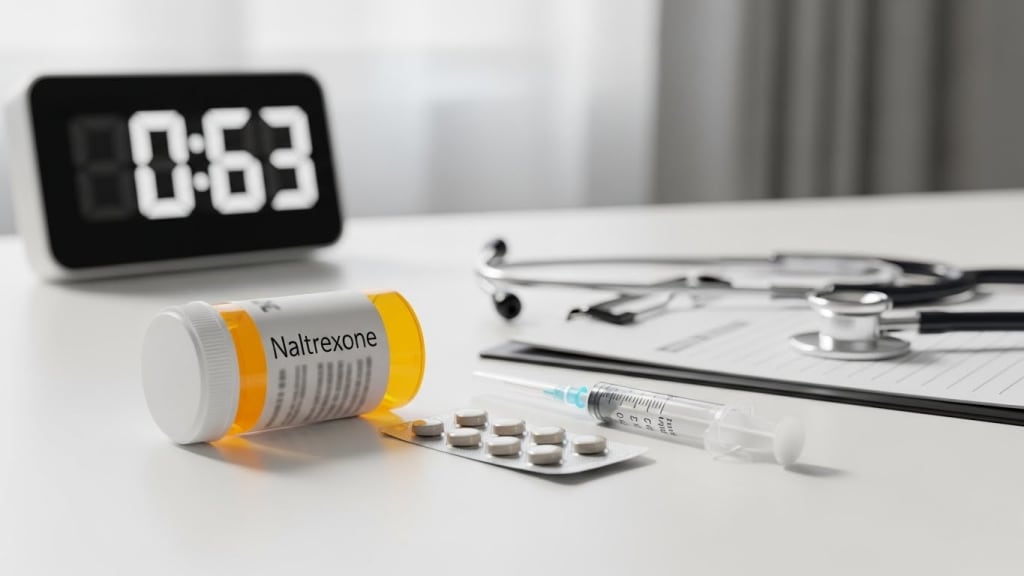
Have you ever wondered why a medication works quickly for you but seems to last longer for someone else? That difference isn’t random. When it comes to naltrexone, timing can change just based on how your body works, how healthy you are, and even what your daily routine looks like. Understanding these factors can help you feel more in control and less anxious about what to expect.
Understanding How Your Body Processes Naltrexone
Naltrexone blocks opioid receptors in your brain, helping reduce cravings and preventing the “high” from opioids or alcohol. Most people feel the main effects for 24 to 48 hours, but small amounts can stay in your system for a few days or more.
The truth is, timing isn't identical for everyone. Your genetics, lifestyle, and overall health shape how your body handles any medication. A quote that I think fits perfectly here is, “Your body speaks its own language, and medicine simply follows its rules.” Naltrexone is no exception.
Short, steady breakdown processes help keep its effects consistent, but even small differences in how your body works can shift everything.
The Role of Your Metabolism
Your metabolism is one of the biggest influences on how fast naltrexone leaves your body. If your system processes food and medicine slowly, the drug may stick around longer. If you metabolize things quickly, your system clears it sooner.
Factors that change metabolism
- Age and hormone levels
- Body fat percentage
- Hydration habits
- How often you move during the day
- Sleep routines
- Genetics and family traits
Metabolism isn’t something you can completely control, but being aware of it helps you understand why timing varies from person to person.
How Liver Health Changes Naltrexone Duration
The liver is responsible for breaking down naltrexone. If your liver is functioning well, the medication moves through your body at a predictable pace. But if your liver is under stress or working harder than usual, the process slows down.
This is especially important if you have a history of heavy alcohol use, hepatitis, or any liver-related conditions. Checking your liver health with a medical professional can help you understand how naltrexone may behave in your body and whether timing might vary.
If you want to explore real national data on how substances affect the body, you can review addiction statistics from the National Institute on Drug Abuse. Their research gives clarity on how drugs interact with real human biology, which can help you make more informed decisions.
The Form of Naltrexone You Take
Not all versions of naltrexone stay in your system for the same amount of time. The form you’re using plays a major role.
Tablet
Taken once daily. Effects usually last 24 to 48 hours, but traces stay longer. Tablets tend to have more day-to-day variation.
Injection
Administered once a month. Designed to release slowly, so it stays active for around 28 days. Many people choose it for stability because it avoids the ups and downs that sometimes come with daily medication.
The right choice depends on your recovery plan, consistency, and what your provider recommends.
Why Your Lifestyle Matters
Your habits might seem small, but they affect how long medications stay in your system. Things like sleep, stress, and diet influence how your liver works and how your metabolism responds.
Lifestyle factors that influence timing
- Quality of your sleep
- Daily water intake
- Physical activity
- Balanced or unbalanced meals
- Stress levels and emotional state
- Alcohol or nicotine use
Even something simple like poor hydration can slow down how quickly your body processes medication.
When You Should Seek Professional Support
If you’re unsure why naltrexone feels different on certain days or you want guidance on dosage, checking in with a medical professional can make the whole experience smoother and safer.
This is a good point to explore a trustworthy resource that explains everything clearly. If you want a medically accurate breakdown that is easy to follow, you can learn how long naltrexone stays in your system to understand timing, safety, and what your body may experience during recovery.
Taking the Next Step With Confidence
Recovery looks different for everyone, but having the right information makes the journey easier. When you understand what affects medication timing, you feel more prepared and less worried about unexpected changes.
Naltrexone can be a strong support tool when used correctly, and by paying attention to your body, maintaining healthy habits, and working closely with a professional, you put yourself in the best position to heal with clarity and confidence.
About the Creator
Keep reading
More stories from Jordyn Mastrodomenico and writers in Humans and other communities.
What Risks Are Involved in Using Suboxone for Kratom Detox
Kratom has gained popularity as a natural alternative for pain relief and mood enhancement. But when regular use leads to dependence, many people start looking for ways to detox safely. Suboxone is sometimes suggested as a tool to ease kratom withdrawal, but it comes with its own risks. Understanding these risks is essential before deciding if it’s the right approach for you.
By Jordyn Mastrodomenico3 months ago in Humans
From Fire Escapes in El Paso to the Heartbeat of New York
My first job started just after I turned fifteen: volunteering at KXCR 89.5 FM, “The Heart of El Paso.” It's a small, local jazz station in El Paso, Texas. On air, I used the name Steve Young, starting the first of many radio personas, with record spinning, letting the sounds of jazz wash over me. The station was also home to the Latin America News Service, which helped me discover journalism. I started to see storytelling, and photography as a way to capture life and revealed the first glimmer of a larger ambition.
By Steven Zimmerman3 days ago in Humans




Comments
There are no comments for this story
Be the first to respond and start the conversation.