
Vladimir Putin: Tsar, Tyrant, or Just Another Politician?
Understanding why the Russian leader fascinates, divides, and endures

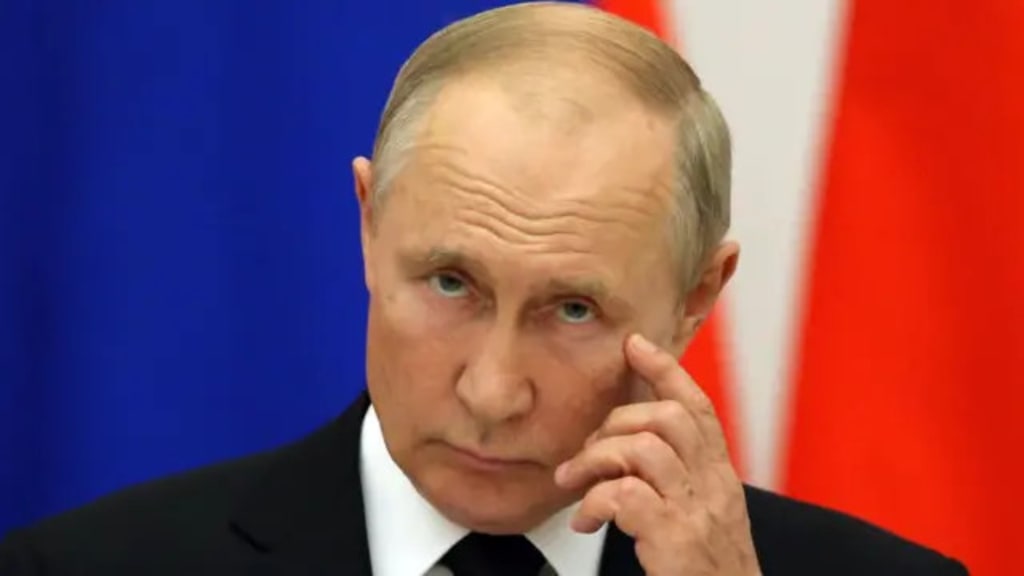
The Man Who Refuses to Fade
Few leaders command as much global attention as Vladimir Putin. Whether seen as a nationalist hero, a power-hungry autocrat, or a master strategist, Putin’s presence dominates modern geopolitics. His ability to maintain control for over two decades, despite economic sanctions, internal dissent, and shifting global alliances, raises an essential question: How does he endure?
Understanding Putin requires more than political analysis. His leadership intertwines historical narratives, cultural symbols, and personal ambitions. To many Russians, he embodies stability after the chaotic 1990s. To the West, he represents authoritarianism reborn. To others, he’s simply another politician playing the global chess game.
From KGB to Kremlin: The Rise of a Leader
Putin’s ascent from a middle-class boy in Leningrad to Russia’s supreme leader is no accident. After serving in the KGB, Putin transitioned into politics during the turbulent post-Soviet years. In 1999, Boris Yeltsin’s resignation paved the way for Putin to become acting president.
What set Putin apart was his promise of order. Russia, reeling from economic collapse and political instability, embraced his firm leadership. His first term focused on consolidating power, strengthening state institutions, and curbing the influence of oligarchs. The message was clear: Russia would no longer bow to Western interests.
His early years revealed a leader adept at balancing competing interests. He forged alliances with business elites while centralizing control. The media landscape shifted as independent outlets faced pressure, yet many Russians viewed these changes as necessary corrections after the chaotic 1990s.
The Myth and the Man: Cultivating an Image
Putin’s persona blends traditional Russian symbolism with modern propaganda. Shirtless horseback rides, judo matches, and solemn visits to Orthodox churches create a paradoxical image: a strongman rooted in national values yet adaptable to contemporary media.
This cultivated image resonates with many Russians. After the humiliation of the Soviet collapse, Putin’s leadership rekindled national pride. His speeches often reference Russia’s historical greatness, positioning himself as a defender of its sovereignty against Western encroachment.
However, this image also fuels criticism. Detractors see propaganda, not authenticity. They argue that his power relies on suppressing dissent, controlling media, and manipulating elections. Yet, even critics admit: the Putin brand is remarkably effective.
Authoritarian or Strategist?
Is Putin merely an authoritarian clinging to power, or a shrewd strategist navigating complex geopolitics? The answer lies in his actions.
Domestically, Putin restructured Russia’s political landscape. Opposition leaders like Alexei Navalny faced imprisonment or exile. Independent media outlets dwindled. Yet, for many Russians, these measures ensured stability and prosperity compared to the 1990s.
Internationally, Putin played a long game. The annexation of Crimea in 2014 defied international norms but boosted his popularity at home. Military interventions in Syria and Africa expanded Russia’s influence, challenging Western dominance.
His approach reflects calculated pragmatism rather than ideological rigidity. Putin adapts, tests boundaries, and capitalizes on Western divisions. Sanctions hurt the Russian economy but failed to weaken his grip on power.
His ability to maneuver within the international arena while maintaining domestic support highlights his strategic acumen. While critics focus on repression, supporters emphasize his success in restoring Russia’s global standing.
The West’s Favorite Villain?
Western media often portrays Putin as democracy’s archenemy. Cyber-attacks, election meddling, and aggressive foreign policies reinforce this narrative. Yet, this portrayal oversimplifies a complex reality.
From Putin’s perspective, Western expansion—via NATO and the EU—threatens Russia’s sphere of influence. His actions, while aggressive, follow a logic rooted in historical grievances and realpolitik.
Critically, demonizing Putin overlooks his domestic support. Many Russians see Western criticism as hypocritical, ignoring their country’s concerns while pushing their own agendas.
Moreover, the West's fixation on Putin often strengthens his position. By casting him as the ultimate antagonist, Western leaders inadvertently reinforce his image as Russia's protector against external threats.
Personal Reflections: Power and Paradox
As a physician, I often encounter patients who, like nations, struggle between autonomy and vulnerability. Putin’s Russia mirrors this paradox: strong yet isolated, proud yet defensive.
In my discussions with colleagues and international peers, opinions on Putin vary wildly. Some admire his resilience; others despise his methods. Yet all agree: ignoring him is impossible.
Putin embodies more than political power. He symbolizes Russia’s complex relationship with the world—a relationship defined by pride, fear, and defiance.
Reflecting on Putin’s leadership, I’m reminded of medical decision-making under uncertainty. Just as physicians weigh risks and benefits, leaders like Putin navigate geopolitical challenges with incomplete information. The outcomes, whether successful or disastrous, often depend on perception as much as reality.
The Economic Dimension: Sanctions and Survival
Economic sanctions aimed at weakening Putin's grip have had mixed results. While they strained Russia’s economy, they also fueled a narrative of resilience. The Kremlin framed sanctions as proof of Western hostility, rallying domestic support.
Russia adapted by diversifying trade partnerships, particularly with China and India. Domestic industries, from agriculture to technology, received state support to reduce dependence on Western imports.
For ordinary Russians, the economic impact varies. Urban professionals feel the sting of inflation and limited opportunities, while rural communities often remain insulated. This uneven impact complicates efforts to gauge public sentiment accurately.
Cultural Influence: Beyond Politics
Putin’s influence extends into culture and ideology. State-backed media promotes conservative values, emphasizing patriotism, family, and Orthodox Christianity. This cultural narrative contrasts sharply with Western liberalism, deepening ideological divides.
Education reforms reflect this shift. History textbooks emphasize Russia’s victories and resilience, while glossing over controversial events. This narrative fosters national pride but risks creating an echo chamber resistant to critical perspectives.
Opposition and Resistance: Voices of Dissent
Despite state control, opposition persists. Activists, journalists, and ordinary citizens continue to challenge the regime. Digital platforms provide space for dissent, though censorship remains a constant threat.
Navalny’s imprisonment symbolizes the risks faced by critics. Yet, protests, though sporadic, highlight ongoing discontent, particularly among younger Russians less influenced by Soviet nostalgia.
Conclusion: What Comes Next?
Predicting Putin’s future is as challenging as understanding his past. Will he maintain control through political maneuvering, or will internal challenges erode his power? One thing remains certain: Putin’s legacy will shape Russia—and global politics—for years to come.
Understanding Putin requires nuance. Neither hero nor villain, he reflects the complexities of leadership in an uncertain world. Perhaps the real question isn’t who Putin is, but why the world remains so captivated by his story.
The Succession Question: After Putin
What happens when Putin eventually leaves power? This question fuels speculation among analysts and politicians worldwide. Unlike Western democracies with clear succession processes, Russia’s power transition often hinges on elite negotiations and backroom deals.
Several scenarios emerge. Putin could handpick a successor, ensuring continuity. Alternatively, internal power struggles within the Kremlin could destabilize the regime. The absence of a strong opposition complicates predictions, but history suggests that transitions in authoritarian systems often spark uncertainty.
Moreover, Putin’s departure won’t erase the structures he built. His legacy—centralized power, state-controlled media, and a nationalist ideology—will likely persist, regardless of who follows.
For Russians, the post-Putin era represents both risk and opportunity. Will the country embrace reform, or will the system resist change? Much depends on whether Russia’s political elite prioritizes stability or transformation.
Ultimately, the end of Putin’s reign may answer the lingering question: Was his power truly personal, or did it reflect deeper currents within Russian society? Until then, the world watches, waits, and wonders.
About the Creator
Alain SUPPINI
I’m Alain — a French critical care anesthesiologist who writes to keep memory alive. Between past and present, medicine and words, I search for what endures.
Keep reading
More stories from Alain SUPPINI and writers in Humans and other communities.
Mastering French Without Losing Your Sanity: A Realistic Guide for Beginners
Learning French can feel like solving a Rubik’s Cube blindfolded. The tricky pronunciation, the never-ending grammar rules, and the surprising exceptions make it seem impossible. But don’t worry—equipping yourself with key expressions and effective strategies can turn frustration into fluency. Let’s simplify French and make learning enjoyable.
By Alain SUPPINIExclusive • 11 months ago
Trump’s Proposed Credit Card Cap Spotlights Americans’ Debt. Would It Help
Credit card debt in the United States has reached staggering levels, and former President Donald Trump’s latest proposal aims to tackle the issue head-on. According to his plan, banks and credit card companies would face a cap on the interest rates they can charge consumers. At first glance, this sounds like a straightforward solution to a growing problem, but a closer look reveals the complexity of America’s debt landscape and the challenges any policy must navigate to be truly effective. The Debt Dilemma As of late 2025, Americans collectively owe more than $1.2 trillion in credit card debt, a record high. Household debt has steadily risen over the past decade, fueled by stagnant wages, inflation, and the rising cost of essentials such as housing, healthcare, and education. For many, credit cards are no longer a convenience—they’re a lifeline, a way to bridge the gap between income and expenses. Trump’s proposal seeks to limit the annual percentage rates (APRs) that credit card companies can charge. Supporters argue that high interest rates trap consumers in a vicious cycle of debt, where paying off balances becomes nearly impossible. Critics, however, caution that such caps could have unintended consequences, like discouraging banks from issuing credit to higher-risk borrowers, potentially leaving some consumers without access to necessary financial tools. How Would the Cap Work? The proposed plan would implement a maximum APR on all credit card accounts, though the exact percentage has yet to be publicly finalized. The intent is to provide relief to the roughly 40% of American households carrying balances month-to-month, many of whom pay rates exceeding 20% annually. In theory, capping interest rates would reduce the financial burden on these borrowers. A consumer carrying a $5,000 balance with a 25% APR could save hundreds or even thousands of dollars in interest payments over a year if rates were capped at, say, 15%. For families living paycheck to paycheck, this could be the difference between staying afloat and defaulting. Potential Benefits Immediate Relief for Borrowers: Lower interest rates would allow more of each monthly payment to go toward the principal, helping people pay off debt faster. Reduced Financial Stress: For Americans struggling to cover minimum payments, a cap could ease anxiety and improve mental well-being. Consumer Protection: High-interest credit cards disproportionately affect lower-income households, so a cap could make the system fairer. Some economists argue that even a modest reduction in interest rates could have a ripple effect on the broader economy. If consumers spend less on interest and more on goods and services, it could stimulate demand, benefiting businesses and potentially supporting job growth. The Risks and Trade-Offs While the benefits sound compelling, implementing a credit card cap is not without risks: Credit Access Might Shrink: Banks may respond to lower allowable interest rates by tightening lending standards. Those with lower credit scores could find it harder to qualify for cards, leaving them with fewer options to manage expenses. Fees Could Rise: Financial institutions might offset lower interest rates by increasing annual fees, late fees, or other charges. The net effect for consumers could be less favorable than expected. Innovation May Stall: Banks and fintech companies often use interest rates to price risk. Limiting this flexibility could reduce incentives to develop new financial products tailored to consumer needs. These challenges highlight the tension between protecting consumers and maintaining a functional credit system. Any policy must balance relief with sustainability to avoid unintentionally hurting those it aims to help. Why Americans Are Paying Attention Trump’s proposal comes at a politically charged moment. Inflation may have eased slightly, but wages haven’t kept pace with costs, and household debt remains a pressing concern. A recent survey found that nearly 60% of Americans worry about their ability to manage monthly credit card payments. With the midterm elections on the horizon, proposals like this gain traction because they resonate with voters’ everyday struggles. For many Americans, credit card debt is more than just numbers on a statement—it’s a source of stress, a limitation on lifestyle choices, and an obstacle to long-term financial goals. Limiting interest rates could provide tangible relief and signal that policymakers are paying attention to these challenges. Historical Context Interest rate caps are not a new idea. In the 1970s and 1980s, states implemented various usury laws to limit how much lenders could charge. While some measures helped consumers, others inadvertently restricted access to credit. The mixed outcomes underscore the importance of careful implementation and oversight. Modern proposals, including Trump’s, aim to avoid these pitfalls by targeting specific consumer protections while attempting to preserve lending options. How successful this approach will be remains to be seen. Would It Actually Help? Experts suggest that a credit card cap alone will not solve America’s debt problem. While it could provide temporary relief for many, it doesn’t address the underlying issues driving debt growth, such as wage stagnation, high living costs, and insufficient financial education. However, as part of a broader strategy—including financial literacy programs, better consumer protections, and support for savings and emergency funds—it could be an important step. Lower interest rates may prevent people from spiraling into unmanageable debt while giving them breathing room to regain control of their finances. Conclusion Trump’s proposed credit card cap shines a spotlight on a critical issue: Americans are struggling under the weight of mounting debt, and immediate relief could be life-changing for millions. While the plan has potential benefits, it is not a silver bullet. Policymakers must carefully weigh the trade-offs to ensure the solution helps those in need without creating new problems. Ultimately, the conversation sparked by this proposal may be just as valuable as the policy itself. It forces a national discussion on debt, fairness, and financial security—a conversation that affects nearly every household in the country. As Americans navigate a complex financial landscape, thoughtful solutions, whether through interest caps or broader reforms, are essential to creating a more equitable and manageable path toward financial stability.
By Muhammad Hassana day ago in Humans




Comments
There are no comments for this story
Be the first to respond and start the conversation.