
Vision for the Future
Paving the Way for a Brighter Future

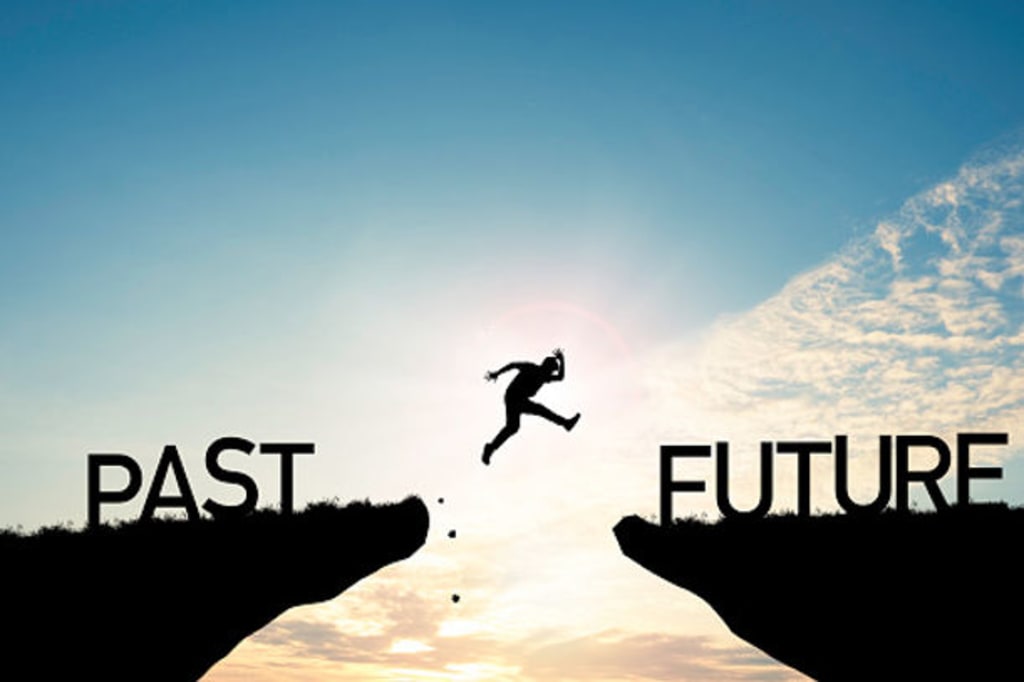
Education is not just a series of classroom lessons or textbook knowledge; it is a powerful vehicle that shapes one’s aspirations and ambitions. The vision for the future during one’s education plays a significant role in setting the foundation for a person’s career and personal growth. As students progress through their academic years, they are often faced with the question of “What next?” This is the point where their educational experiences merge with their broader goals, shaping their journey into adulthood.
For many, the early years of education are filled with dreams and a sense of optimism. Children are often unaware of the challenges they will face in the real world, so their vision for the future tends to be idealistic and broad. Perhaps they dream of becoming doctors, scientists, engineers, or artists, and they are motivated by a sense of excitement and curiosity. These dreams are often influenced by external factors—family expectations, the aspirations of teachers, or even societal pressures. However, as they grow older and experience more, the vision becomes more nuanced and realistic. It shifts from simply dreaming about a specific career to understanding the path that one must take to get there.
For instance, a student who initially dreams of becoming a doctor may not fully grasp the years of hard work and study required. But as they progress through their schooling years, they start to understand that the journey is not just about acquiring knowledge but also about developing a mindset to overcome challenges, persist through failures, and adapt to changing circumstances. Their education becomes more than just a means to an end—it is a process of self-discovery. They learn about their strengths, weaknesses, likes, and dislikes, and this shapes their vision for the future.
In a more practical sense, a student’s vision often starts to evolve during their high school or college years. They begin to realize the importance of choosing a field that aligns not only with their interests but also with their skills and the needs of the world around them. As they gain knowledge in their chosen subjects, they start to think about how they can apply that knowledge. For some, this process is natural and straightforward—what they study aligns perfectly with their career aspirations. However, for others, it can be a more difficult journey of trial and error, self-reflection, and sometimes even disappointment. The education system, ideally, provides the space and resources for this evolution to take place, offering both the structure and the freedom needed to experiment and explore.
One of the most powerful components of this phase is the influence of mentors—teachers, professors, or even older professionals who share their experiences. These mentors can shape a student’s vision by offering guidance, insight, and real-world perspectives. Their advice often helps students realize that success does not come overnight. Rather, it is the result of consistent effort, perseverance, and sometimes the willingness to take risks. A mentor may tell a student, “You don’t need to have everything figured out right now. Your education is about finding your place in the world, and that takes time.” This advice often encourages students to relax and focus on the journey, rather than getting stressed about having a clear-cut plan.
For many students, the transition from high school to higher education is a turning point where they begin to develop a more clear vision of their future. Higher education often challenges students to think critically and deeply, to expand their horizons beyond the classroom, and to consider how their studies fit into the broader landscape of society. This is when they start to ask themselves questions such as, “How can I use my knowledge to make a difference?” or “What impact do I want to have on the world?” The vision for the future starts to evolve from personal success to the idea of contributing something meaningful to the world around them. This is often when they start connecting their academic goals with their personal values and begin considering how they can contribute to their communities, fields of work, or society at large.
It’s also important to recognize that the vision for the future is not always linear. There are moments of doubt, confusion, and uncertainty that come during a person’s educational journey. It is not uncommon for students to change their minds about their career aspirations several times during their academic years. Some students enter college intending to pursue a particular career, only to discover that their passions lie elsewhere. Others may struggle to decide on a career path at all, unsure of which direction to take. The process of questioning and reassessing one’s goals is a natural and healthy part of education, and it often leads to the discovery of new passions and interests. This flexibility and adaptability in one’s vision can ultimately be more valuable than rigidly sticking to one’s original plan.
An essential part of developing a vision for the future during education is learning about the real-world implications of one’s studies. It’s one thing to learn theory in a classroom, but it’s another to apply that knowledge in a practical setting. Internships, work-study programs, and other hands-on experiences offer students the opportunity to test their academic learning in real-world environments. This practical experience often has a profound impact on their vision for the future, as it helps them understand how their field operates and what challenges and rewards they may encounter. These experiences are pivotal in solidifying their career ambitions, as they allow students to envision themselves in the roles they aspire to take on.
Moreover, in today’s fast-paced world, the vision for the future is also influenced by global trends and emerging technologies. Students are now exposed to a wider array of career options than ever before, with fields such as artificial intelligence, renewable energy, and digital media becoming increasingly prominent. The modern student’s vision is often shaped by an awareness of these advancements and how they can play a role in shaping the future. Many students today consider how they can use their education to tackle pressing global issues such as climate change, inequality, or technological advancement. As they learn about these global challenges, their vision often shifts from personal achievement to societal impact, and they begin to think about how their chosen career can contribute to solving these problems.
In conclusion, the vision for the future during education is an evolving and multifaceted concept. It is shaped by a combination of personal interests, societal needs, educational experiences, and real-world exposure. As students navigate their academic journeys, their vision becomes more refined, transitioning from vague dreams to more concrete goals and aspirations. The process of defining this vision is not always straightforward, and it is often influenced by a variety of factors including mentors, life experiences, and external circumstances. Ultimately, the vision for the future is what drives students to continue learning, growing, and striving toward their goals, providing them with a sense of purpose and direction in life.
About the Creator
DINESH KUMAR SHARMA
i am a writer and a investor
Keep reading
More stories from DINESH KUMAR SHARMA and writers in Humans and other communities.
Reflection and Realization
After the initial years of struggle, challenges, and minor victories, there comes a moment in everyone's career where they experience a deep personal reflection. This phase is often a turning point, one where they gain a profound understanding of their own abilities, their career trajectory, and the choices they must make for the future. For the man in question, this "Reflection and Realization" was not a sudden epiphany but rather a gradual awakening shaped by both his successes and failures.
By DINESH KUMAR SHARMAabout a year ago in Humans
Cute But Ugly
Cute But Ugly Society tells us we have to be bold. Yet, treats us badly if we speak too much. Society offers us limited beliefs based on a bias and a contradiction of ourselves. We need titties to be loved, sex appeal must match the drive of a man, we need a big butt, our insecurities plagued through ads and models.
By Charelle Landersabout 8 hours ago in Humans
"Scream 7" (2026): Running out of Fresh Screams
This is the seventh time we’ve had a Ghostface crisis. Scream 7 is the latest edition of the Scream franchise. Sydney Prescott and her family are under attack by another anonymous killer dressed in a Ghostface costume. While having issues with her daughter, Tatum, they run from the bloody murders, trying to determine who is behind it all.
By Marielle Sabbag5 days ago in Horror




Comments
There are no comments for this story
Be the first to respond and start the conversation.