
Unveiling the Brain's Unique 'Pain Fingerprint': Paving the Way for Personalized Pain Management
Pain is a universal experience, yet its perception and intensity vary greatly among individuals
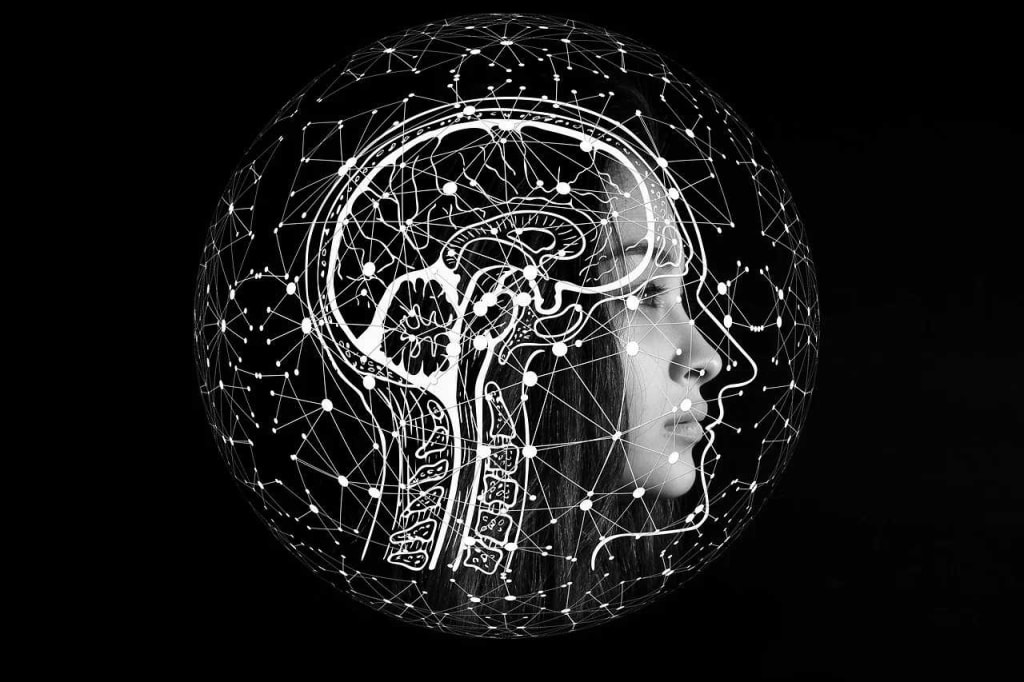
Pain is a universal experience, yet its perception and intensity vary greatly among individuals. To address this diversity, scientists are delving into the intricate workings of the human brain to uncover a groundbreaking concept—the brain's unique 'pain fingerprint.' By understanding the individual patterns of pain perception, researchers envision a future where personalized pain management strategies can be tailored to each person's specific needs. This article explores the potential implications of this emerging field and its promise in revolutionizing pain treatment and improving the quality of life for millions worldwide.
The Complexity of Pain (200 words):
Pain is a complex phenomenon that involves a network of neural pathways and processes within the human brain. While traditional pain management approaches rely on subjective self-reporting and standardized treatment protocols, the realization that pain is a highly subjective experience prompts the need for a more personalized approach. Recent advances in neuroimaging techniques, such as functional magnetic resonance imaging (fMRI) and electroencephalography (EEG), have enabled researchers to explore the neural correlates of pain perception.
Unraveling the 'Pain Fingerprint' (250 words):
Researchers are now focused on identifying unique patterns of brain activity associated with pain perception, akin to a 'pain fingerprint.' Studies have shown that individuals exhibit distinct neural responses to pain, both in terms of the intensity experienced and the regions of the brain activated. By analyzing these patterns using advanced machine learning algorithms, scientists aim to develop a reliable method for characterizing an individual's pain signature.
Recent findings suggest that various factors contribute to the development of a person's pain fingerprint, including genetic predispositions, environmental factors, and past experiences. Additionally, researchers have observed that psychological factors, such as attention and emotional state, can influence pain perception and alter the neural responses associated with it. By incorporating these multidimensional aspects, the pain fingerprint becomes a comprehensive representation of an individual's pain experience.
Implications for Personalized Pain Management (300 words):
The concept of the pain fingerprint holds tremendous potential for advancing personalized pain management strategies. By identifying an individual's unique pain signature, healthcare professionals can tailor treatment plans to target the specific neural mechanisms contributing to their pain experience. This approach could mitigate the trial-and-error process often associated with pain management, where different treatments are attempted until the desired outcome is achieved.
Personalized pain management could involve a combination of pharmacological interventions, physical therapies, cognitive-behavioral techniques, and even neuromodulation approaches. For example, medications targeting specific pain-related neural pathways could be prescribed based on an individual's pain fingerprint. Physical therapy exercises and rehabilitation programs could be designed to address the areas of the brain implicated in the person's pain experience.
Furthermore, by considering psychological factors in pain management, personalized approaches can incorporate strategies such as mindfulness-based interventions, cognitive restructuring, and relaxation techniques. These interventions can help individuals modulate their pain experience by altering their cognitive and emotional responses to pain.
Challenges and Future Directions (150 words):
While the concept of the pain fingerprint holds great promise, several challenges must be addressed before personalized pain management becomes a clinical reality. These challenges include refining the accuracy and reliability of pain signature identification, ensuring access to advanced neuroimaging technologies, and addressing ethical considerations surrounding privacy and data protection.
Additionally, larger-scale studies are needed to validate the concept across diverse populations and pain conditions. Longitudinal studies tracking changes in pain fingerprints over time could provide valuable insights into the dynamic nature of pain perception.
Conclusion (100 words):
The emerging field of personalized pain management, driven by the identification of the brain's unique pain fingerprint, holds immense potential for revolutionizing pain treatment. By unraveling the individual patterns of pain perception, healthcare professionals can design tailored interventions that address the underlying neural mechanisms specific to each person. While there are challenges to overcome, including technological advancements and ethical considerations, the ultimate goal of personalized pain management is to enhance the quality of life for individuals suffering from pain, offering them relief and hope for a pain-free future.
Researchers are now focused on identifying unique patterns of brain activity associated with pain perception, akin to a 'pain fingerprint.' Studies have shown that individuals exhibit distinct neural responses to pain, both in terms of the intensity experienced and the regions of the brain activated. By analyzing these patterns using advanced machine learning algorithms, scientists aim to develop a reliable method for characterizing an individual's pain signature.
Recent findings suggest that various factors contribute to the development of a person's pain fingerprint, including genetic predispositions, environmental factors, and past experiences. Additionally, researchers have observed that psychological factors, such as attention and emotional state, can influence pain perception and alter the neural responses associated with it. By incorporating these multidimensional aspects, the pain fingerprint becomes a comprehensive representation of an individual's pain experience.
Implications for Personalized Pain Management (300 words):
The concept of the pain fingerprint holds tremendous potential for advancing personalized pain management strategies. By identifying an individual's unique pain signature, healthcare professionals can tailor treatment plans to target the specific neural mechanisms contributing to their pain experience. This approach could mitigate the trial-and-error process often associated with pain management, where different treatments are attempted until the desired outcome is achieved.
Personalized pain management could involve a combination of pharmacological interventions, physical therapies, cognitive-behavioral techniques, and even neuromodulation approaches. For example, medications targeting specific pain-related neural pathways could be prescribed based on an individual's pain fingerprint. Physical therapy exercises and rehabilitation programs could be designed to address the areas of the brain implicated in the person's pain experience.
Furthermore, by considering psychological factors in pain management, personalized approaches can incorporate strategies such as mindfulness-based interventions, cognitive restructuring, and relaxation techniques. These interventions can help individuals modulate their pain experience by altering their cognitive and emotional responses to pain.
Challenges and Future Directions (250 words):
While the concept of the pain fingerprint holds great promise, several challenges must be addressed before personalized pain management becomes a clinical reality. These challenges include refining the accuracy and reliability of pain signature identification, ensuring access to advanced neuroimaging technologies, and addressing ethical considerations surrounding privacy and data protection.
One major challenge is the complexity of pain itself. Pain is a multidimensional experience influenced by numerous factors, making it difficult to capture all aspects within a pain fingerprint. Researchers need to explore how additional variables, such as cultural differences and individual resilience, may shape pain perception and response.
Technological advancements are also crucial to the development of personalized pain management. Neuroimaging techniques need to become more accessible, affordable, and user-friendly to enable widespread application. Additionally, the integration of wearable devices and mobile applications could facilitate real-time pain monitoring, allowing individuals to track their pain and provide valuable data for personalized treatment interventions.
Ethical considerations are paramount in the era of personalized medicine. Safeguarding patient privacy, ensuring informed consent, and addressing potential biases in data collection and analysis are essential aspects to be addressed. Transparency and clear guidelines are necessary to maintain ethical standards while harnessing the power of personalized pain management.
Conclusion (100 words):
The emerging field of personalized pain management, driven by the identification of the brain's unique pain fingerprint, holds immense potential for revolutionizing pain treatment. By unraveling the individual patterns of pain perception, healthcare professionals can design tailored interventions that address the underlying neural mechanisms specific to each person. While there are challenges to overcome, including technological advancements and ethical considerations, the ultimate goal of personalized pain management is to enhance the quality of life for individuals suffering from pain, offering them relief and hope for a pain-free future. Through continued research and innovation, the realization of personalized pain management approaches is within reach, promising a brighter future for millions around the world.
About the Creator
Keep reading
More stories from Taj Digital server and writers in Humans and other communities.
Most ambulances ‘run hot’ with lights and sirens blaring. But that’s starting to change
Once upon a time, in the bustling city of Verityville, the streets echoed with the constant wails of sirens as ambulances raced through the chaos. People grew accustomed to the urgent symphony, a deafening reminder of emergencies and crises. However, change was on the horizon.
By Taj Digital server3 years ago in Fiction
Whiskey At Dusk
Guess the whiskey was more important to you in the end, wasn’t it? It was more than the well-being of your friends; more vital than showing up to the places you promised you would and could come to; more critical of a matter than fulfilling your damn responsibilities and getting the press off your back.
By Snarky Lisaa day ago in Humans




Comments
There are no comments for this story
Be the first to respond and start the conversation.