
Understanding Causes of Modern Extremism
Roots, Triggers, and Social Impact

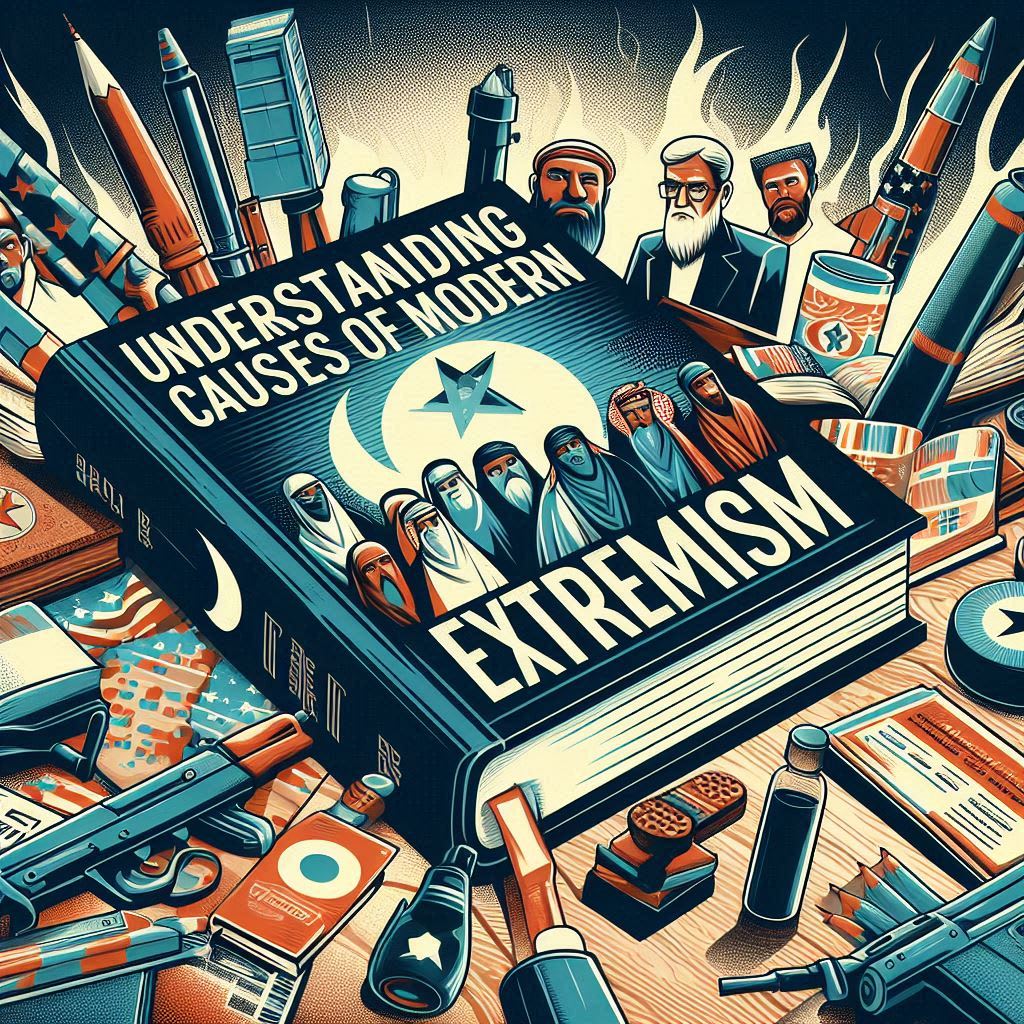
In a world shaped by rapid technological change, shifting ideologies, and growing political polarization, extremism has become one of the most pressing global threats. From violent radical groups to digital echo chambers spreading hate, extremism is no longer confined to a specific region or ideology. It exists across political, religious, and social spectrums, and its reach continues to grow. But what drives people toward these extreme beliefs and actions?
Understanding the root causes of modern extremism is the first step toward effective prevention and resolution. It is not enough to condemn violent acts; we must investigate what leads people to embrace such paths in the first place. By exploring these root causes, we can foster stronger, more inclusive societies that are better equipped to resist radicalization.
1. Social Alienation and Identity Crisis
Many individuals who turn toward extremism feel a deep sense of disconnection from the society around them. They may feel unheard, unseen, or unvalued in their daily lives. This isolation can occur among immigrants struggling to assimilate, youth facing cultural confusion, or even citizens who feel excluded from national conversations.
Extremist groups often offer these individuals a powerful sense of identity and belonging. The message is simple: “You are one of us. You matter here.” Unfortunately, once someone finds purpose in such environments, they can become vulnerable to manipulation and violence.
2. Political Oppression and Injustice
When people live under systems where corruption is rampant, rights are denied, or certain communities are consistently marginalized, frustration brews. Political disenfranchisement is a major trigger of radical behavior, especially when peaceful avenues for change seem blocked.
In such environments, extremism may be seen as the only voice loud enough to be heard. It becomes a form of protest, albeit a dangerous and destructive one. Movements that began with calls for justice can spiral into militant ideologies if not channeled through democratic and just frameworks.
3. Economic Disparity and Hopelessness
Poverty does not directly cause extremism, but economic hardship often creates the conditions in which extremist ideologies thrive. When people feel trapped in cycles of unemployment, poor education, or lack of opportunity, despair can lead them to seek radical alternatives.
Extremist recruiters often target the poor by offering money, jobs, or even social status. For some, it is not ideology that attracts them—it is survival. Breaking the economic roots of extremism requires long-term investment in education, employment, and equity.
4. Digital Platforms and Online Radicalization
The internet has revolutionized the spread of ideas—both good and bad. Social media platforms, forums, and encrypted messaging apps have become breeding grounds for extremist ideologies. Algorithms often create echo chambers, reinforcing extreme beliefs and isolating users from alternative views.
Online content can dehumanize others, glorify violence, and offer a false sense of empowerment. Young, impressionable minds are especially vulnerable to online manipulation. Digital literacy and regulation are key to combating online radicalization without stifling free speech.
5. Misuse of Religion and Ideology
It’s important to distinguish between authentic religious belief and extremist distortion. Around the world, many extremist groups hijack religious language to legitimize violence. They twist scripture and theology to suit their agenda and prey on people who lack proper religious education or critical thinking skills.
The same is true for political ideologies. Whether left-wing or right-wing, any belief system can be distorted when it loses its ethical core. Education that promotes critical inquiry, compassion, and pluralism is vital to resist such misuse.
Consequences of Modern Extremism
Extremism doesn’t just affect the individual—it tears at the fabric of entire communities. It sows distrust, fear, and division. It leads to violence, discrimination, and policy overreactions that can harm innocent people. It polarizes societies, weakens democracies, and stalls development.
Moreover, extremism often leads to cycles of retaliation and revenge, making conflict resolution even harder. In some cases, it sparks regional or even global insecurity.
Conclusion: From Reaction to Prevention
Modern extremism is complex, but not unstoppable. Solutions lie in early education, community engagement, fair governance, and economic inclusion. People must be heard before they feel the need to shout. They must be included before they seek belonging in violent circles.
Governments, communities, educators, and tech platforms must work together to recognize and interrupt the roots of radicalization. Only then can we build a more resilient, inclusive, and peaceful world.
About the Author
This article was written by [Your Name], an independent writer and researcher focused on peacebuilding, social justice, and digital ethics.
📌 AI Disclosure
Portions of this article were developed with the assistance of AI tools. Final content was reviewed and edited by the author to ensure accuracy, originality, and alignment with platform standards.
About the Creator
The CEO of Everything
They say "jack of all trades, master of none," but they forgot to mention the part where the jack of all trades is also the camera woman, the makeup artist, and the person currently yelling at a tangled Wii microphone cable in a her own bathroom while recording herself singing and trying to make it look realistic and professional. (As professional as you can make it with nothing but a cell phone camera and a mic that doesn't work)
By Sara Wilson6 days ago in Humans
How One Neurology Book Changed the Way I Understand the Human Mind
Reading “The Man Who Mistook His Wife for a Hat” Made Me Question What It Means to Be a Person I picked up The Man Who Mistook His Wife for a Hat thinking it would just be one of those clever science books. You know, the kind that explains how the brain works and throws in a few strange cases. I wasn’t really prepared for how weirdly emotional it would feel. Not in a dramatic way. More like the kind of feeling that sits with you quietly while you’re reading.
By Rosalina Jane6 days ago in Humans


Comments
There are no comments for this story
Be the first to respond and start the conversation.