
Trump Authorizes U.S. Military to Take Control of Land at U.S.-Mexico Border
Order grants military personnel a "direct role" in securing the southern border, which, according to a Trump memo, "is under attack."

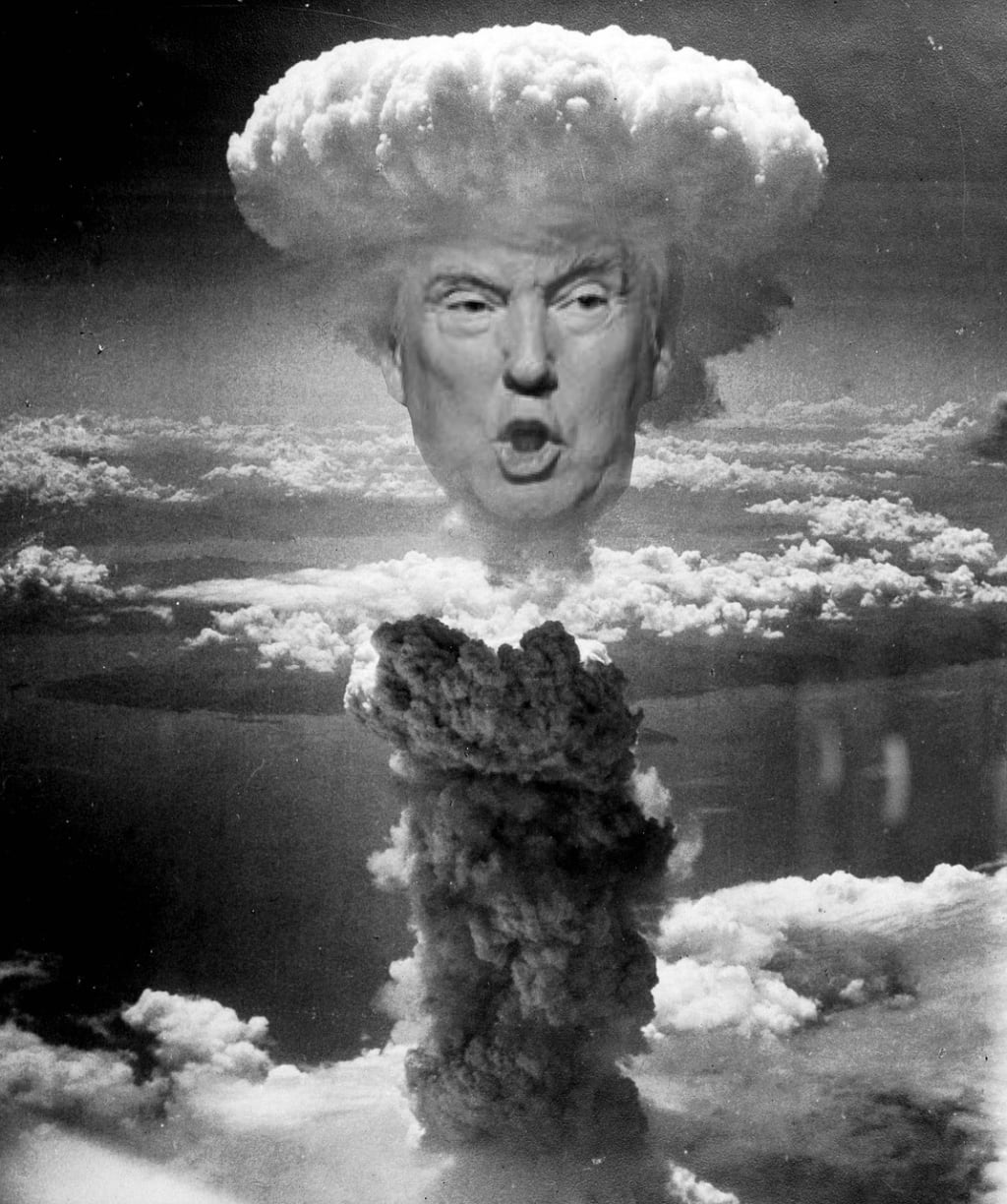
In a move stirring intense political debate and raising legal questions, former President Donald Trump has reportedly authorized the U.S. military to take control of key parcels of land along the U.S.-Mexico border. The move, which was made with the intention of speeding up the construction and strengthening of border infrastructure, is a significant return to the tough border policies that characterized Trump's first term in office. Background and Context
Trump made border security and the construction of a "big, beautiful wall" central to his administration's platform from 2017 to 2021. Though significant portions of fencing and barriers were built or upgraded, the effort faced persistent challenges—ranging from legal battles over land seizures to opposition from environmentalists and indigenous groups.
This latest move indicates a return to aggressive immigration enforcement strategies, as Trump is positioning himself as a dominant force in Republican politics and possibly preparing for a political comeback. Military Involvement: A Controversial Step
A significant departure from traditional civil land acquisition methods is the authorization of the military to take control of land for border purposes. While the Pentagon has long supported border security through logistical assistance, deploying active-duty troops to assume authority over U.S. territory—even temporarily—pushes legal boundaries.
Critics argue that such action could violate the Posse Comitatus Act, which limits the federal government’s ability to use the military for domestic law enforcement. Supporters, however, claim the move is necessary to bypass bureaucratic delays and to “defend the sovereignty of the nation.”
Human rights and civil rights groups have criticized Trump's rhetoric, which reportedly justified the decision by citing concerns about national security, an increase in border crossings, and what he referred to as an "invasion" of migrants. Implications for the Constitution and the Law Legal experts have warned that the use of the military to take control of private or state land could ignite constitutional challenges. The use of eminent domain already drew widespread criticism and lawsuits during Trump’s previous wall-building efforts. Expanding military authority over domestic land could create a dangerous precedent, critics warn, blurring the line between civilian governance and military power.
The American Civil Liberties Union (ACLU) released a statement saying, “This decision echoes authoritarian impulses that have no place in a democratic society. The military should not be a tool to enforce political agendas on American soil.”
Political consequences Trump’s decision has galvanized his political base, many of whom view the southern border as a symbol of national insecurity and cultural erosion. Right-wing media has praised the move as a decisive act of leadership, contrasting it with what they see as the current administration’s lax border policies.
On the other side, Democrats and moderate Republicans have expressed alarm, warning that such actions deepen political polarization and risk undermining democratic norms.
The move was criticized by Senator Alexandria Ocasio-Cortez, who stated, "This is a dangerous escalation." Militarizing our borders and our domestic policy will not solve humanitarian issues—it will create more of them.”
Looking Ahead
As legal challenges begin to mount and public opinion remains divided, the long-term impact of Trump’s authorization remains uncertain. Will the courts step in? Will the military follow this instruction to the letter? And last but not least, what kind of precedent does this establish for subsequent administrations? One thing is clear: the battle over the U.S.-Mexico border is far from over—and this latest move may be one of the most controversial chapters yet.
About the Creator
Ashfaque Mahmud 🇧🇩
I walk a silent path, seeking truth within. My pain shapes my God, my solitude is strength, and my journey is proof I truly exist.
Keep reading
More stories from Ashfaque Mahmud 🇧🇩 and writers in Humans and other communities.
Israel Strikes Syria in Retaliation:Targeted Militant Group Blamed for Druze Attack.
In a significant escalation along Israel’s northern frontier, the Israeli military launched targeted airstrikes inside Syria on Tuesday, claiming to have struck a militant group responsible for a recent cross-border attack that injured members of the Druze community in the Golan Heights. The move reflects Israel’s growing concerns over regional instability and its firm stance on protecting all of its citizens, including minority populations such as the Druze.
By Ashfaque Mahmud 🇧🇩11 months ago in Humans
what does true freedom mean in the modern world?
freedom is one of the most powerful ideas humanity has ever imagined. entire civilizations have risen and fallen around it. revolutions have been fought in its name. constitutions have been written to protect it. people have sacrificed comfort, safety, and sometimes their lives so that future generations could experience it.
By Arjun. S. Gaikwad7 days ago in Humans



Comments
There are no comments for this story
Be the first to respond and start the conversation.