
Their New Style of Smiling
How gentle transformations in human expression create deeper connections


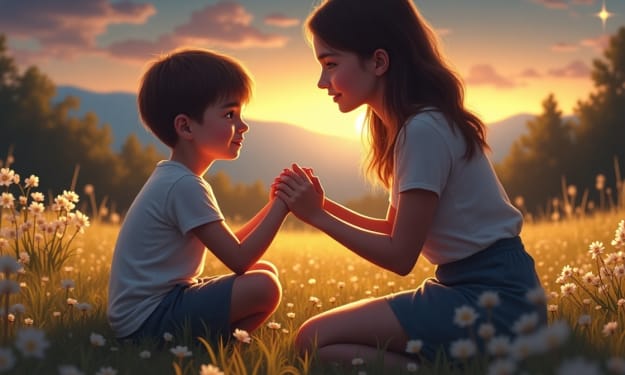
There’s something quietly powerful about a smile—a small curve of the lips that speaks volumes without sound. But today, something different is happening. A new style of smile is emerging, not just on faces, but in hearts. It is softer, more intentional, less about showing teeth and more about showing truth. This smile doesn’t rush. It lingers. It listens. It connects.
In crowded rooms or quiet corners, people are beginning to smile differently. No longer just a polite reflex or a forced social gesture, smiles now carry more weight, more warmth. They are becoming slower, more heartfelt. It's as if the soul has found its way to the surface through the simple language of the face. This new style of smiling isn't perfect or practiced—it’s real. It’s the smile after hearing someone’s story. It’s the smile that waits for eye contact before it blooms. It is subtle, yet unforgettable.
Communities of humans are embracing this change without even naming it. You see it in small towns where people greet each other with kindness born from familiarity. You feel it in cities when strangers exchange glances that say, I see you. It's not about appearance anymore. It’s about presence. These smiles are honest acknowledgments of shared existence, moments where two souls silently say, We are both here, trying, feeling, being.
The effects of this new smile are surprisingly profound. Psychologists speak of how genuine smiles activate different regions of the brain than forced ones. When someone smiles from the heart, it triggers a mirror response in the observer, sparking emotional alignment. This synchronization builds trust faster than words ever could. In workplaces, these authentic smiles reduce stress, foster collaboration, and even increase creativity. Among friends and families, they deepen bonds, soften old wounds, and open new doors of understanding.
There’s beauty in how this quiet revolution is spreading. Children are learning to smile without fear of being judged. Elderly people, often overlooked, smile in ways that wrap decades of wisdom and tenderness into a single glance. And those who carry invisible burdens—anxiety, loneliness, grief—are finding comfort in these genuine expressions. A stranger’s simple, sincere smile can be a lifeline, a reminder that someone cares, even without knowing your name.
Social media, once home to filtered perfection and posed grins, is also shifting. More people are sharing photos with unfiltered joy—soft, warm smiles captured in messy moments. It’s a sign of humanity moving toward authenticity, toward the acceptance of imperfections as beautiful.
This evolution in smiling is more than a trend. It’s a return. A return to what it means to be human: to feel deeply, to connect honestly, to be present in the moment. In a world rushing toward efficiency, this slow smile is a quiet rebellion. It says, I’m not here to impress you; I’m here to feel with you.
Let’s celebrate this. Let’s embrace this new style of smiling not just with our faces but with our lives. Let our words be kind, our silences gentle, our presence comforting. A smile is no longer a gesture. It is a gift. And every time we give it sincerely, we remind the world what it means to be beautifully, vulnerably human.
And so, in this quiet revolution of expression, the smile becomes more than a gesture—it becomes a bridge. A bridge between hearts, between strangers, between moments that matter. It asks for nothing but gives everything. In a world that often forgets softness, this new smile gently reminds us of our shared humanity. So smile—not to impress, but to connect. That simple curve may be the most powerful thing you ever wear.
About the Creator
Leesh lala
A mind full of dreams, a heart wired for wonder. I craft stories, chase beauty in chaos, and leave sparks of meaning behind. Built to rise, made to inspire.
Keep reading
More stories from Leesh lala and writers in Humans and other communities.
Together, We Can Heal
In a world often divided by differences—of opinion, race, religion, and culture—there lies a quiet, resilient truth: healing begins when we come together. Pain, whether personal or collective, is a universal language. But so is love. And when love is shared through unity, understanding, and compassion, it holds the extraordinary power to heal wounds that time alone cannot mend.
By Leesh lala8 months ago in Humans
Woman Shot in Minneapolis Leaves a City Searching for Answers
The news reached people quietly at first, then all at once. A woman shot in Minneapolis during a federal operation. At first, it sounded like another brief headline in a country used to tragedy. But as details emerged, the weight of it settled in. This was not just about a single moment of violence. It was about fear spilling into everyday life. It was about trust already stretched thin and now pulled even tighter. Minneapolis is a city that knows grief too well, and this incident reopened wounds many hoped were healing. To understand why this matters, we must look beyond the act itself and into the lives, systems, and emotions tied to it.
By Muqadas khan4 days ago in Humans



Comments
There are no comments for this story
Be the first to respond and start the conversation.