
The Wonders of the Natural World
Exploring Earth’s Untouched Beauty and Biodiversity

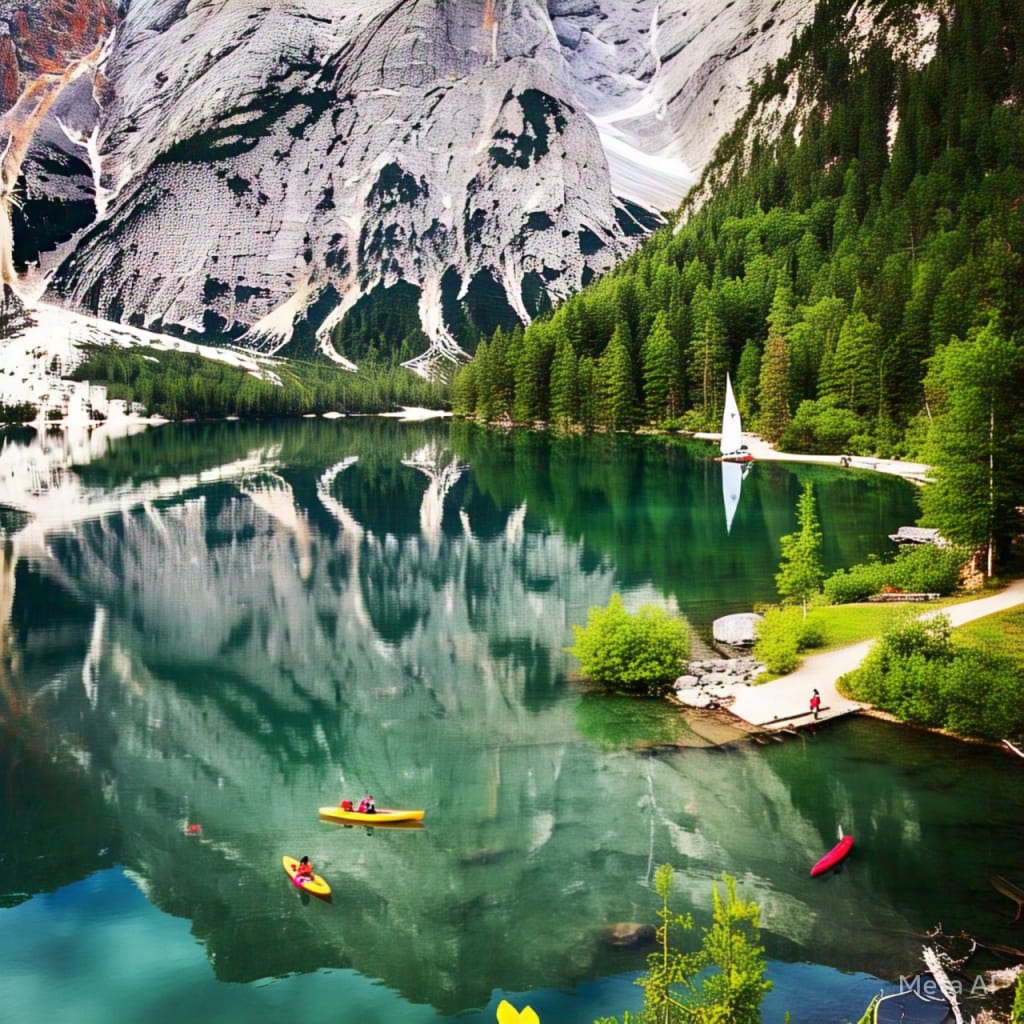
Nature, in all its forms, holds a profound beauty that captivates, inspires, and sustains life. From towering mountain ranges to the delicate petals of a blooming flower, the natural world is a living masterpiece. It provides not only stunning landscapes but also the foundation for life itself—through biodiversity, natural cycles, and ecosystems that keep the planet balanced.
In our rapidly urbanizing and technologically advanced world, reconnecting with nature is more important than ever. Earth’s untouched environments are becoming rarer, making the need to appreciate, protect, and explore them even more vital. When we delve into the wonders of the natural world, we begin to understand its deep complexity and the vital role it plays in human existence.
The Beauty of Untouched Landscapes
Untouched nature refers to places that remain largely undisturbed by human hands. Think of dense tropical rainforests, pristine alpine meadows, vast deserts, and remote islands teeming with unique life forms. These places are not just aesthetically stunning—they are ecological treasures.
The Amazon rainforest, for example, is not only breathtakingly beautiful with its towering trees and symphony of wildlife, but it also plays a critical role in regulating the Earth’s climate. Similarly, coral reefs like the Great Barrier Reef are dazzling underwater landscapes that support an incredible diversity of marine life, from tiny colorful fish to large predators like sharks.
Every region on Earth offers its own kind of wonder. The icy wilderness of Antarctica, the expansive savannas of Africa, and the serene fjords of Scandinavia all display nature’s versatility and beauty. These landscapes are not just scenery—they are dynamic systems, alive and ever-changing.
The Importance of Biodiversity
One of the most awe-inspiring aspects of the natural world is its biodiversity. Biodiversity refers to the variety of life found on Earth—plants, animals, fungi, and even microscopic organisms that make up our ecosystems. Each species, no matter how small, plays a role in maintaining the balance of nature.
For instance, bees and other pollinators are essential to food production, yet their populations are declining. Forests purify the air, wetlands filter water, and predators maintain population control. When one species disappears, the ripple effects can be felt throughout the entire ecosystem.
Moreover, biodiversity contributes directly to human health and prosperity. Many modern medicines are derived from plants and animals found in the wild. A cure for cancer, a treatment for heart disease, or the next revolutionary antibiotic could be hidden deep in a remote rainforest or deep-sea trench.
Human Impact and the Need for Conservation
Unfortunately, the natural world is under threat. Deforestation, pollution, climate change, and habitat destruction are driving species to extinction at an alarming rate. The United Nations estimates that around one million species are currently at risk of extinction.
Conservation efforts are crucial to protect the natural wonders that still exist. Protected areas, wildlife reserves, and national parks help safeguard ecosystems and provide safe havens for endangered species. Organizations and local communities around the globe are working tirelessly to restore habitats and preserve biodiversity.
However, conservation is not just the job of scientists and activists. Every individual can play a role. Simple actions like reducing plastic use, conserving water, supporting sustainable products, and educating others can contribute to a healthier planet.
Reconnecting with Nature
Reconnecting with the natural world has benefits not only for the environment but also for our well-being. Studies have shown that spending time in nature can reduce stress, improve mood, and enhance creativity. It reminds us of our place in the larger web of life and helps foster a sense of responsibility toward the planet.
Whether it’s a walk through a local park, a hike in the mountains, or a dive into the ocean, every experience in nature is a chance to witness its wonders firsthand. By observing the colors of a sunset, the patterns on a butterfly’s wings, or the silence of a forest, we rekindle a deep respect for the world we live in.
Conclusion
The wonders of the natural world are all around us, waiting to be explored, understood, and protected. Earth’s untouched beauty and rich biodiversity are gifts we must cherish—not only for their inherent value but for the survival and well-being of all life, including our own.
In protecting nature, we protect ourselves. Let us walk forward with a renewed appreciation and a commitment to safeguard these wonders for generations to come.
About the Creator
Niaz Ahmad
Writer with a passion for learning and sharing.You'll find articles here on everything that sparks my interest.
Keep reading
More stories from Niaz Ahmad and writers in Humans and other communities.
“Your Mind Matters: Easy Ways to Improve Mental Health”
Mental health is just as important as physical health, yet it’s often overlooked or misunderstood. Our minds have a powerful impact on how we think, feel, and act. While physical health is frequently prioritized, mental health often takes a back seat. The good news is that improving mental health doesn’t require complex solutions or dramatic changes. With small, consistent actions, you can significantly boost your mental well-being and lead a happier, healthier life.
By Niaz Ahmad 9 months ago in Humans
Why I No Longer Sell on Amazon
When I published my first book in 2011, I used Lulu. At the time, it was one of the few print-on-demand options that allowed authors to retain control over content, pricing, and distribution. Over the years, I explored other publishing routes, including limited digital placement on Amazon Kindle, but I remained consistent with Lulu for physical books. As of this writing, I am still evaluating whether those remaining Kindle titles will stay available.
By Dr. Mozelle Martin | Ink Profiler3 days ago in Humans



Comments
There are no comments for this story
Be the first to respond and start the conversation.