
The Untold Tragedy of North Sentinel Island: The Fate of Sunder Raj and Pandit Tiwari
Cut off from people

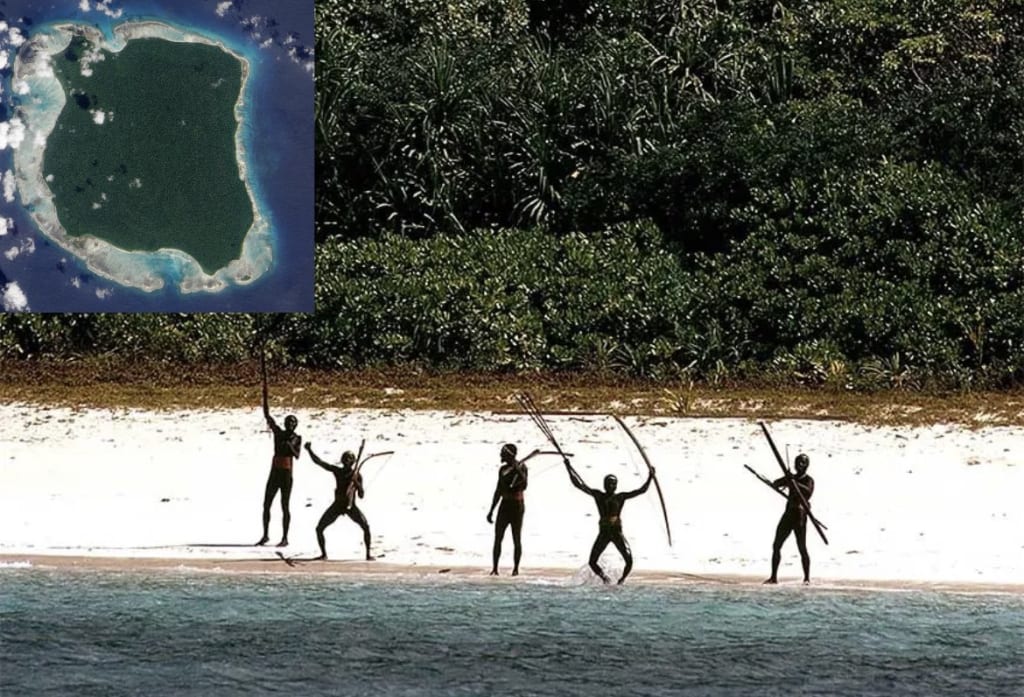
In January 2006, a tragic and violent encounter occurred on North Sentinel Island, a remote and isolated island in the Bay of Bengal, which resulted in the deaths of two Indian fishermen, Sunder Raj and Pandit Tiwari. Their story brings to light the complex and often perilous relationship between the modern world and one of the last uncontacted tribes on earth, the Sentinelese.
The Setting: North Sentinel Island
North Sentinel Island is part of the Andaman and Nicobar Islands, an Indian archipelago in the Bay of Bengal. Despite being part of India, the island is distinct due to its total isolation from the outside world. The Sentinelese people, who have inhabited the island for thousands of years, are known for their fierce resistance to any attempts at contact. This isolation is both a voluntary cultural choice and a response to external threats, preserving their way of life and protecting them from diseases to which they have no immunity.
The island is surrounded by dense forests and coral reefs, making it difficult to approach by sea. The Indian government has established a three-mile exclusion zone around the island to prevent any contact with the Sentinelese and to protect their way of life. Despite these measures, incidents like the one involving Sunder Raj and Pandit Tiwari occasionally occur.
The Incident
In January 2006, Sunder Raj and Pandit Tiwari, two local fishermen, were illegally fishing for mud crabs near North Sentinel Island. Despite the known dangers and the legal restrictions, they ventured into the prohibited area, likely driven by the promise of a good catch. Their boat drifted into the exclusion zone, eventually reaching the shores of North Sentinel Island.
According to reports, the fishermen were unaware of the island's exact location and the imminent danger they were in. The Sentinelese, who have historically reacted with hostility to intruders, attacked the fishermen, killing both men. When the Indian Coast Guard attempted to recover their bodies, they were met with a barrage of arrows, a clear signal that the Sentinelese did not welcome outsiders.
The Sentinelese: A History of Isolation
The Sentinelese are believed to have lived on North Sentinel Island for thousands of years, maintaining a hunter-gatherer lifestyle. Their resistance to contact with the outside world is not without reason. Historically, contact with outsiders has often led to violence, exploitation, and the introduction of deadly diseases.
The most notable attempt at contact was made in the late 19th century by British colonial officer Maurice Vidal Portman, who kidnapped several Sentinelese individuals. The captives quickly fell ill, and some died, underscoring the devastating impact of foreign pathogens on the isolated tribe. This and other similar encounters have reinforced the Sentinelese's mistrust and hostility towards outsiders.
In modern times, the Indian government has adopted a policy of non-interference, recognizing the Sentinelese's right to their land and their way of life. The exclusion zone around the island is strictly enforced, with the intent of preventing further tragic encounters.
The Aftermath and Ethical Considerations
The deaths of Sunder Raj and Pandit Tiwari in 2006 were a stark reminder of the challenges in balancing the rights and protections of uncontacted tribes with the actions of those who may inadvertently or deliberately encroach upon their territory. The incident drew significant media attention and sparked debates about the ethics of protecting isolated tribes versus the need for external parties to respect their isolation.
Following the incident, the Indian government reiterated the importance of the exclusion zone and increased patrolling to prevent similar occurrences. The Coast Guard and local authorities work to ensure that fishermen and other individuals do not breach the boundaries set to protect the Sentinelese.
The Broader Implications
The tragic fate of Sunder Raj and Pandit Tiwari underscores the broader issue of indigenous rights and the protection of uncontacted tribes. North Sentinel Island serves as a critical case study in understanding the complex dynamics between isolated communities and the modern world. It highlights the need for stringent protective measures and the importance of respecting the autonomy of indigenous peoples.
The story of North Sentinel Island also raises questions about the ethical responsibilities of modern societies towards uncontacted tribes. Should these communities be left entirely alone, or is there a moral obligation to offer aid and resources, even at the risk of cultural disruption and potential harm?
Conclusion
The incident involving Sunder Raj and Pandit Tiwari is a tragic chapter in the ongoing story of North Sentinel Island and its inhabitants. It serves as a powerful reminder of the need for respect, caution, and protection when dealing with uncontacted tribes. The Sentinelese, like many other indigenous communities, face unique challenges in preserving their way of life amidst a rapidly changing world.
Their story is not just one of isolation but also of resilience and the enduring human spirit. As we move forward, it is crucial to balance the protection of these vulnerable communities with the respect for their autonomy and right to self-determination. The legacy of North Sentinel Island and the Sentinelese people will continue to be a testament to the complex interplay between tradition and modernity, isolation and contact, and the timeless struggle for survival and dignity.
About the Creator
Keep reading
More stories from Deji Akomolafe and writers in Humans and other communities.
The Remarkable Story of the Muse Brothers: From Captivity to Freedom
In the American history, the story of George and Willie Muse, known as the Muse Brothers, stands out as a poignant tale of exploitation, resilience, and eventual reunion. These two albino brothers, born in the 1890s in Roanoke, Virginia, were grandsons of former slaves and sons of tobacco sharecroppers. Their lives took a dramatic and tragic turn in 1899 when they were kidnapped by bounty hunters in Truevine, Virginia, and forced into a life of performing as "freak show" exhibits in circuses. This blog post delves into their extraordinary journey, the trials they endured, and their ultimate triumph.
By Deji Akomolafe2 years ago in Humans
Center Stage with Paul Stewart
*** I'm keen to republish the interviews I did for my series with Vocal creators. It's been a few years and I thought it might be nice to revisit these wonderful conversations. I'll be releasing them one at a time for a few weeks/months.
By Heather Hubler5 days ago in Interview



Comments (1)
Thank you so much for sharing about this remarkable tribe!