
The Unseen Importance of the Toilet Seat: A Deeper Look
From History and Hygiene to Global Variations—Exploring the Significance of a Simple Object We All Use Every Day
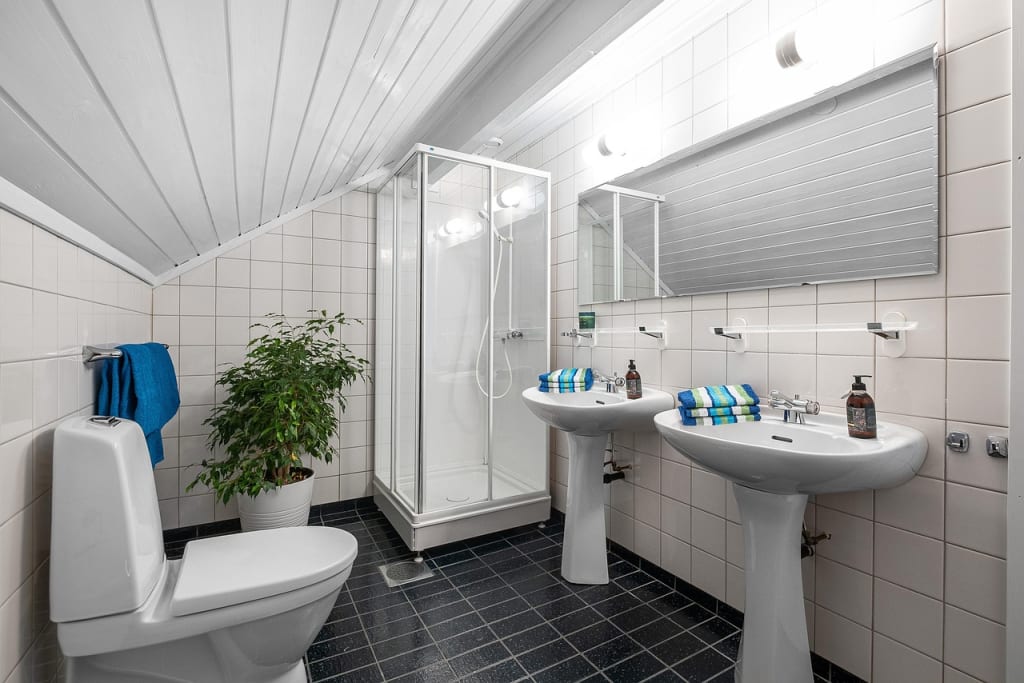
The toilet seat—something we use every day but hardly ever think about. It’s a silent yet essential part of our daily routine, playing a crucial role in hygiene, comfort, and even cultural differences. But have you ever wondered about its history, design, and impact on health? Or why there’s always a debate about whether to leave it up or down? Today, let’s take a deep dive into the world of toilet seats and explore some surprising facts.
The History of the Toilet Seat: Where Did It Come From?
The concept of toilets has existed for thousands of years, but the modern toilet seat is a relatively new invention. Ancient civilizations like the Indus Valley, the Romans, and the Egyptians had their own toilet systems, often made of stone or clay. However, these early toilets didn’t have a separate seat—they were simply holes in the ground or stone slabs with openings.
The first true toilet seats appeared in Europe in the 16th century, mainly in royal households. During this time, chamber pots and rudimentary wooden or cushioned seats were used. In the 18th century, the invention of the flushing toilet by Sir John Harrington laid the foundation for modern toilets. Eventually, by the 19th and 20th centuries, the standard porcelain toilet with a detachable seat became common in households worldwide.
Why Is the Toilet Seat So Important?
Most of us don’t think twice before sitting on a toilet seat, but it serves multiple purposes:
✅ Hygiene & Sanitation: Toilet seats prevent direct contact with the toilet bowl, reducing exposure to bacteria.
✅ Comfort & Convenience: Imagine sitting on a cold, hard toilet bowl without a seat—it wouldn’t be pleasant!
✅ Prevention of Germ Spread: A clean toilet seat reduces the risk of bacterial transmission, especially in shared bathrooms.
Many people fear public toilet seats, assuming they are breeding grounds for germs. However, studies show that most infections are spread by hands, not by sitting on a seat. That being said, keeping seats clean and wiping them before use is always a good idea.
The Great Debate: Seat Up or Down?
One of the most controversial topics in bathroom etiquette is whether the toilet seat should be left up or down. This debate has caused arguments in households, workplaces, and even relationships.
🔹 Men’s Perspective: Many men argue that lifting the seat helps keep things clean and prevents accidental splashes.
🔹 Women’s Perspective: Women prefer the seat to be left down for convenience and hygiene. No one likes the surprise of falling in!
So, what’s the solution? A simple rule: Put the seat down after use! This keeps the toilet looking neat and prevents any unpleasant surprises for the next user.
Cultural Differences in Toilet Seat Use
Toilet seat designs and usage vary widely across the world:
🔸 Japan: Japan is famous for its high-tech toilets. Many toilets feature heated seats, built-in bidets, automatic flushing, and even music to mask sounds! Some toilets even detect when a person enters and automatically lift or lower the seat.
🔸 India & Many Asian Countries: Traditional Indian toilets do not have seats at all. Instead, squatting toilets are more common. Many health experts claim that squatting is actually a healthier way to relieve yourself, as it aligns the digestive system more naturally.
🔸 Europe & America: The standard toilet seat is the norm, but in some countries like France and Italy, bidets are common. These provide an alternative to toilet paper and offer better hygiene.
Toilet Seats and Health: What You Should Know
Many people wonder if toilet seats can spread diseases. The truth is, while they can harbor bacteria, the risk of infection is quite low if you maintain proper hygiene. Here are some key health-related facts:
✔ Squatting vs. Sitting: Studies suggest that squatting toilets help reduce issues like constipation and even lower the risk of colon cancer. However, they can be uncomfortable for those not used to them.
✔ Public Toilet Safety: If using a public toilet, always wash your hands properly after touching the seat or surfaces. Using a toilet seat cover or a tissue barrier can add an extra layer of hygiene.
✔ Toilet Seat Materials Matter: Some toilet seats are made of antibacterial materials to prevent the spread of germs. Wooden seats, for example, tend to trap fewer bacteria than plastic ones.

Weird & Fun Facts About Toilet Seats
🚽 Gold-Plated Toilet Seats Exist! Some luxury homes and hotels have gold or jewel-encrusted toilet seats that cost thousands of dollars.
🚽 Toilet Seats Are Cleaner Than Your Phone! Studies show that your phone screen has more bacteria than an average toilet seat.
🚽 NASA Has Special Toilet Seats for Astronauts! In space, toilets need special suction systems to function in zero gravity.
🚽 The World’s Most Expensive Toilet Seat Costs Over $500,000! The International Space Station uses a custom-made toilet seat that costs half a million dollars due to its special technology.
Conclusion: Appreciate the Toilet Seat!
It may seem like just another object in our daily lives, but the toilet seat plays a crucial role in comfort, hygiene, and even cultural habits. Whether you prefer a high-tech seat with warming features or a simple plastic cover, the toilet seat deserves more appreciation than it gets.
So, next time you use the toilet, take a moment to appreciate this small yet essential invention. And remember—always put the seat down! 🚽✨
About the Creator
Keep reading
More stories from Amrita Jannat and writers in Humans and other communities.
Australian Open Nights That Broke Hearts and Made History
Every January, Melbourne changes its rhythm. The heat hangs heavy in the air, the nights stretch longer, and something emotional settles over the city. The Australian Open is not just a tennis tournament. It is a place where careers bend, where teenagers grow up under bright lights, and where legends quietly face the end. Fans do not only watch matches here. They feel them. A single rally can silence thousands. A final point can leave someone staring at the court, unsure whether to smile or cry. The Australian Open carries stories that stay with people long after the season ends, stories of courage, collapse, hope, and human limits.
By Muqadas khanabout 18 hours ago in Humans



Comments
There are no comments for this story
Be the first to respond and start the conversation.