
The unique case of Mongolia-LGBTQ
"There are only two ways I can use my right to study. I can hide my sexual orientation or put up with discrimination,"she says
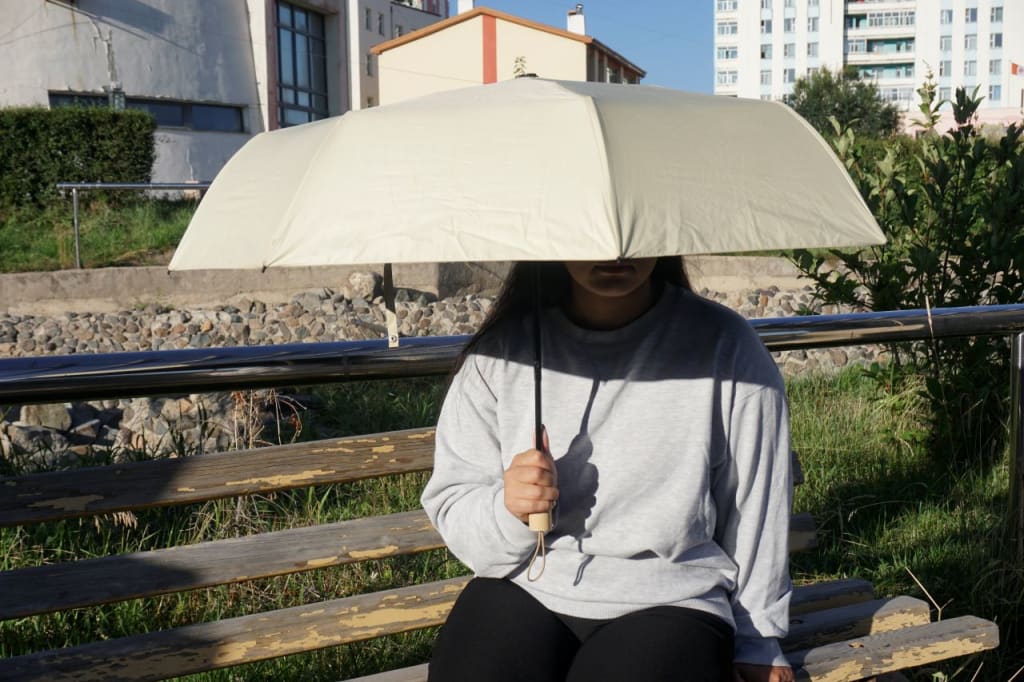
Three times now, Delgermaa Damba has had to transfer her daughter to a different school. Each time, it is for the same reason. She alleges that when teachers find out about her daughter’s sexual orientation, they bully her, sometimes publicly.
"Being different should not be an excuse to be bullied," she says.
Damba is convinced this was avoidable if only teachers adhered to the curriculum, which expects them to teach lessons on sexual and gender diversity. Such lessons, she argues, would leave students and the Mongolian public more informed, and help challenge a deep-seated prejudice against sexual and gender minorities in the country.
Parents like her are in the minority, but their concerns are gaining attention as Mongolia faces growing pressure from LGBTQI+ rights groups to address the challenges sexual and gender minorities face in schools.
Despite a government mandate requiring schools to include gender identity and sexual orientation in the health curricula, teachers refuse, citing conflicts with traditional social norms. This stance is echoed by much of Mongolia’s public.
Research by Mongolia’s LGBT Center in 2023 found that 79% of sexual and gender minority students had experienced bullying and discrimination, often perpetrated or encouraged by teachers.
“I do not teach it in depth,” says Saranbolor D., a health teacher. To him, these lessons might encourage “the wrong thing”, given the experimental nature of teenagers.
While there is no specific legislation protecting sexual minorities from discrimination, the revised Child Protection Law, which took effect in Mongolia in September 2024 has offered some hope. It bans bullying based on gender, sexual orientation, and other differences.
But similar past mandates, like teaching about gender and sexuality, were rarely enforced. Advocates are now calling for proper teacher training and enforcement mechanisms to ensure any meaningful change.
The unique case of Mongolia
But these calls are not new. Mongolia was once far ahead in addressing this issue.
In 1998, the government introduced a sex education program in primary and secondary school curricula. The 9th grade sex education curriculum covered topics such as safe sex and condom use, alcohol consumption – but it was also meant to include discussions on sexual orientation but teachers rarely paid attention to this.
When they did, the material fell short.
As a result, the government discontinued the program in 2014.
However, in 2018 another research by the United Nations Development Program and the LGBT Center revealed that sexual and gender minority students faced frequent violations in schools. In response, education ministry reinstated the lessons for ninth graders to combat this discrimination.
But even then, little has changed.
Teachers continue to neglect this part of the curriculum and parents consider it unnecessary.
Tanika Sanjaa is a transgender student in 10th grade. She says, “during our health class, our teacher tells us to read health lesson books at home on our own and teaches a different subject every time.”
The issue isn’t just teachers. It is a problem with the larger society, says Bolorsaikhan S, a 10th grade class teacher at a general education school in Orkhon province. “Society tends to oppose these people.”
A researcher and health manager of LGBT center agrees. He says that this is the consequence of being uninformed. “Teachers play essential role in influencing a right and positive attitude in society”.
It is a much larger problem affecting the Mongolian society, says Ganjidin Gyimaa, a cultural researcher and professor.
Despite the commitments Mongolia has made that would protect sexual and gender minorities, in practice, things are very different.
“They do not do significant work to change the negative attitudes that still exist,” he says.
For example, when the World Health Organization officially removed homosexuality from the list of mental illnesses in 1990, Mongolia adopted this change. In 2011, Mongolia joined the UN General Assembly's resolution opposing discrimination and violence against LGBTQ people based on sexual orientation and gender identity. However, these protections have not yet been enshrined in the country’s constitution.
Socialism to Nationalism
Things have not always been like this in Mongolia. Before the socialist regime, gender diversity was widely acknowledged, and same sex relationships were common practice.
In the shamanistic culture for example, which was a central feature of Mongolian society, gender was fluid. Male shamans could marry men, and men could dress and live like women and perform the roles of women.
Then came a socialist regime, starting in 192. Same sex was criminalized. Homosexuality was seen as an enemy to “socialist morals” and “traitors to the nation.”
Even after the country shifted to a democracy in the 90s, recognizing rights and freedoms in the 1992 constitution, the LGBTQ stigma sown throughout the socialist regime still holds sway, so does the strong sense of Mongolian identity which promotes traditional gender roles and heteronormativity. Sexual and gender minorities are still seen as deviating from this identity.
The human cost
For LGBTQ students, there are real consequences to this exclusion.
Nurlan Ganjuur, a 10th grader gay student has had to transfer schools twice. “I face considerable pressure from teachers. Teachers have frequently insulted me in front of my peers.”
Nurlan recalls hearing about LGBTQI+ people when he was in the ninth grade, but his classmates and teacher at the time made fun of it rather than taking it seriously.
"It felt terrible when I heard the teacher say that people needed to be kind to LGBT people because these people were unlucky, unwanted, and would never change," he says.
Damba’s daughter, says the bullying she experienced from school always came from teachers first, then trickled down to students.
"There are only two ways I can use my right to study. I can hide my sexual orientation or put up with discrimination," she says.
According to the study by Mongolia’s LGBTQ center, many of these students end up dropping out of school.
Enkhtuya Galsan, a member of the academic staff at the Ministry of Education and Science's National Institute for Educational Research says that sexual and gender minorities are entitled to an education that does not discriminate them.
To eliminate the discrimination and condemnation they face, the education system should be changed, and children should be taught the right knowledge and positive attitudes from secondary education.
“We are researching that lesson because we think that by teaching kids that being different is okay in their foundational education, we can put an end to discrimination in society," says
“We cannot exclude the topic of sexual orientation from the health lesson since it is essential that society recognize, comprehend, and appropriately deal with sexual minorities,” he says.
''For more interesting stories, visit https://globalpressjournal.com/'' https://globalpressjournal.com/reporter/khorloo-khukhnohoi/
About the Creator
Khorloo
True stories from real sources on issues and events.
Topics: Health, human rights, environment. Written in a combination of factual evidence and data research with real stories.
Keep reading
More stories from writers in Humans and other communities.
Top tipple tricks
Been thinking a lot about drinking, lately. Not least because of a recent episode of over-indulgence and the inevitable after effects. Some readers may recall the earlier articles I wrote about beating the booze. Here I set out an experiment in techniques for cutting down on my alcohol intake. The experiment was successful, the techniques worked, and I have armed myself with an arsenal of weapons in the war against the demon drink. I have yet to fire the first round however. It's all a question of timing (perhaps procrastination).
By Raymond G. Taylor7 days ago in Psyche



Comments
There are no comments for this story
Be the first to respond and start the conversation.