
The Unfortunate End of a Child Star: Robert Cletus Driscoll
Robert Cletus Driscoll's story

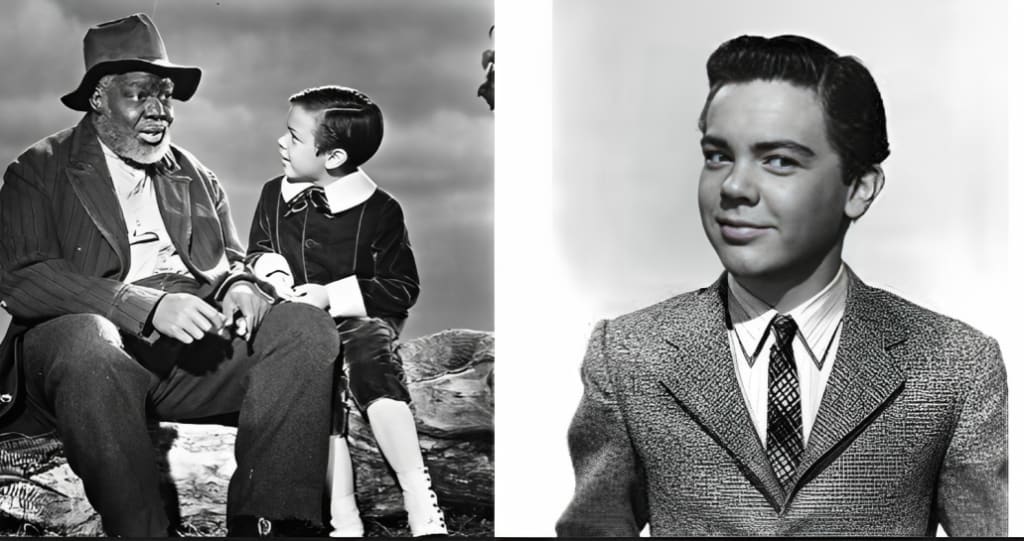
Early Life and Rise to Stardom
Robert Cletus Driscoll, known as Bobby Driscoll, was born on March 3, 1937, in Cedar Rapids, Iowa. His family moved to Los Angeles when Driscoll was a young boy, where he got his start in the film industry after impressing a director during a tour of the MGM studio lot.
Driscoll's career took off when he was placed under contract with Walt Disney Studios, making him one of the first two actors to be contracted by Disney.
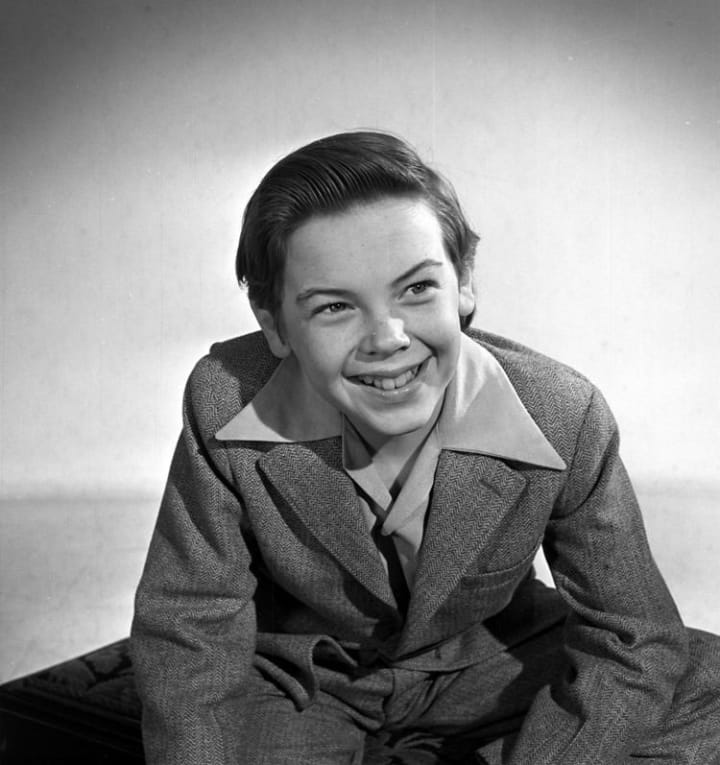
He achieved stardom in his role in the film "Song of the South" (1946), which combined live action and animation, turning him into a household name.
Driscoll's performances in "So Dear to My Heart" and "The Window" led to his receipt of a special Juvenile Academy Award in 1950, solidifying his place as one of Hollywood's most promising young talents.
Career Highs and Challenges
Despite Driscoll's early success, his career was not without its challenges. During the filming of Disney's "Treasure Island" (1950), he was found without a valid British work permit, resulting in fines for his family and Disney and a rush to complete filming.
Driscoll's performance in "Treasure Island" was well received, and although other projects were discussed, various issues prevented them from materializing.
Driscoll's final major success was in "Peter Pan" (1953), where he served as the animation model and provided the voice for the title role.
However, the onset of acne during his puberty years impacted his future roles, and Disney eventually terminated his contract in 19531. As Driscoll transitioned into adulthood, he struggled to find substantial roles, eventually leading to an increase in drug use, which began to overshadow his acting career.
Final Years
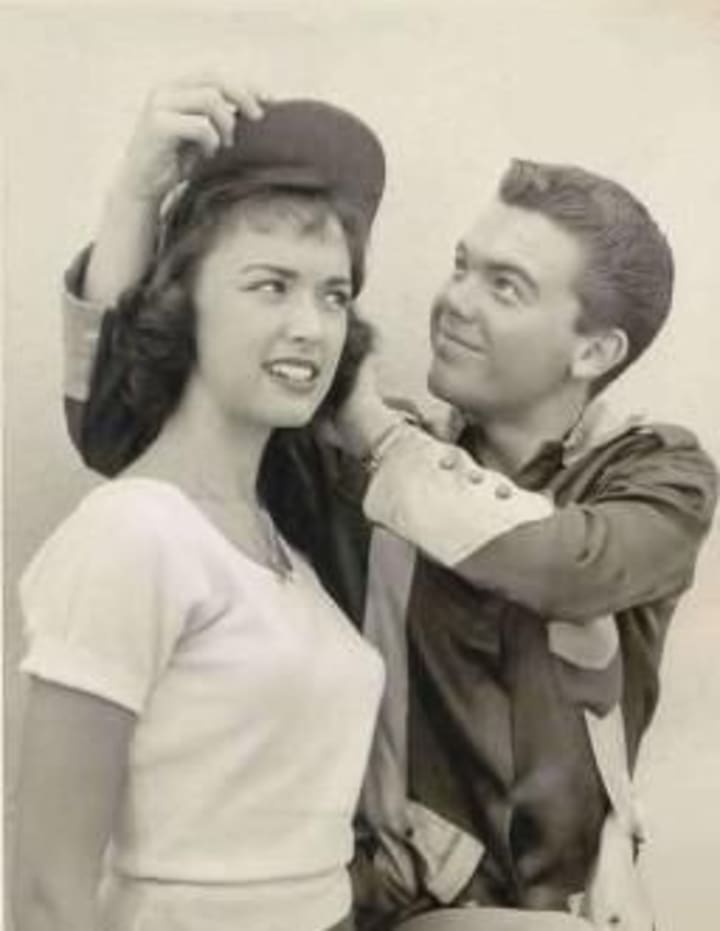
The later years of Driscoll's life were marked by a struggle with drug addiction and difficulties in his personal life. He married Marilyn Jean Rush in 1956, with whom he had three children, but the couple divorced in 1960.
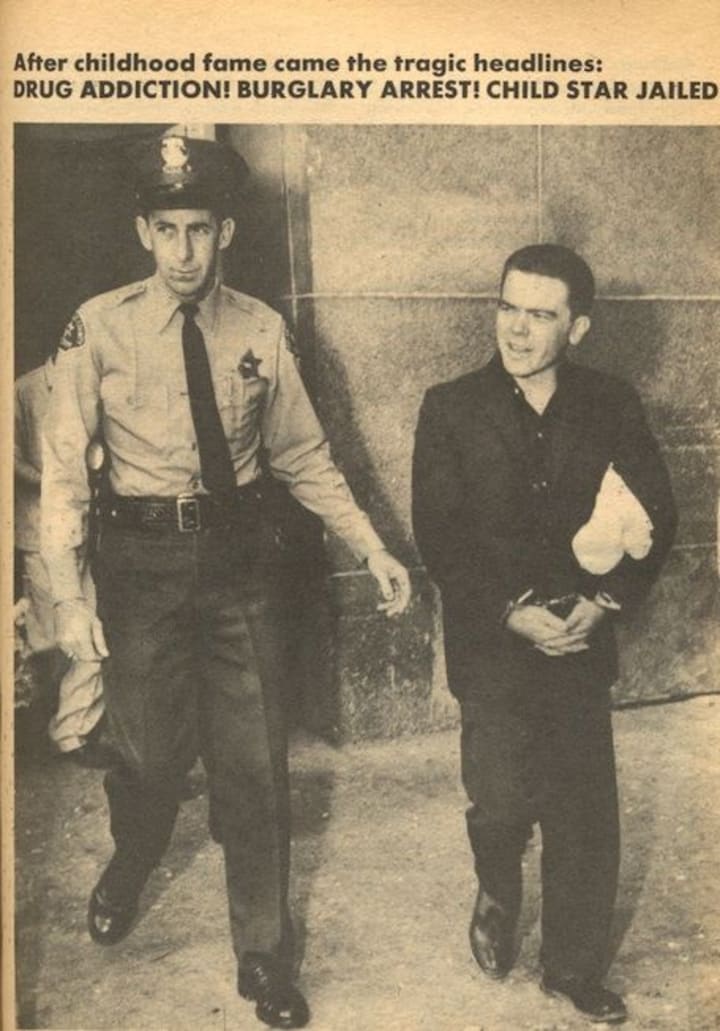
His drug use escalated, and he was arrested multiple times, which severely impacted his ability to secure acting work. Following a sentence for drug addiction in 1961, Driscoll found himself unable to find acting work upon his release in 1962.
In 1965, Driscoll relocated to New York, joining the art community known as the Factory, where he focused on his artistic talents. He had a brief stint in an underground film, "Dirt," in 1965, marking his last known film performance.
On March 30, 1968, Driscoll's body was discovered lying on a cot in a deserted East Village tenement at 371 East 10th Street by two boys who were playing in the area. The ground was scattered with two empty beer bottles and religious pamphlets.
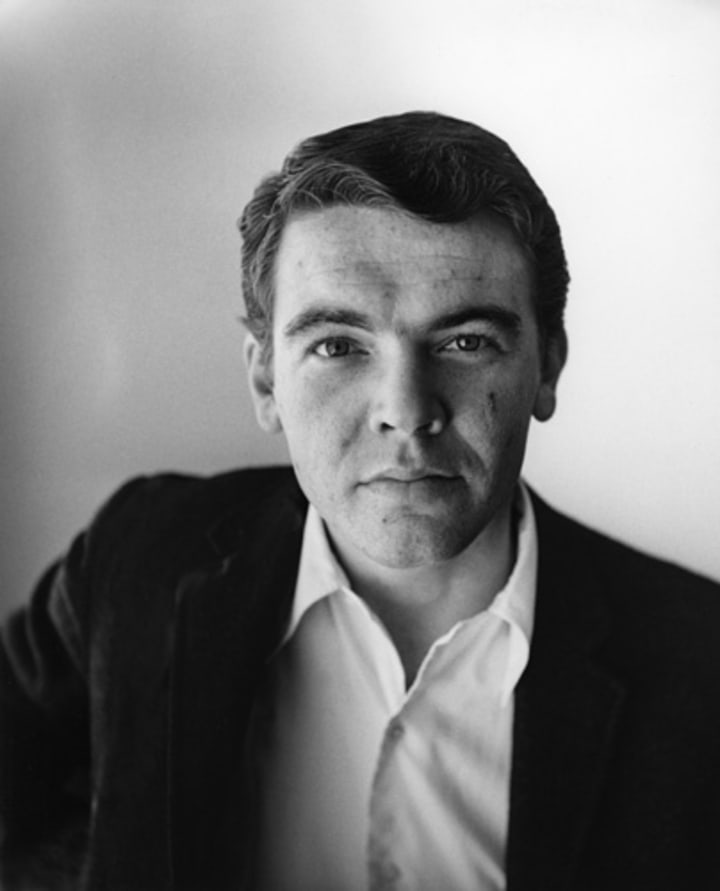
A post mortem examination revealed that he had died from heart failure resulting from advanced atherosclerosis caused by his drug use. The body had no identification, and attempts to identify him through photos circulated in the neighborhood were unsuccessful. Consequently, his unclaimed body was buried in an unmarked pauper's grave on Hart Island, New York City.
In late 1969, Driscoll's mother reached out to officials at Disney studios for help in finding him in the hope of reuniting him with his father, who was on his deathbed.
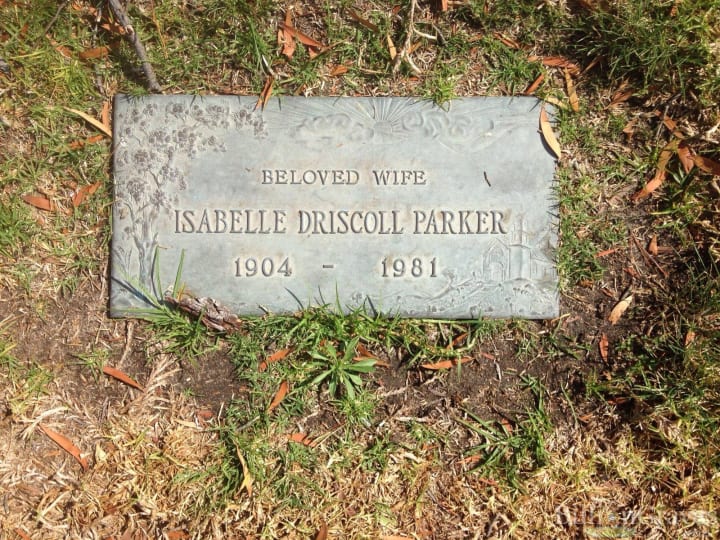
A fingerprint match at the New York City Police Department led to the discovery of Driscoll's burial on Hart Island. Although his name is inscribed on his father's gravestone at Eternal Hills Memorial Park in Oceanside, California, his remains still rest on Hart Island. In 1971, reporters investigating the whereabouts of the star of Song of the South's release reported his death.
About the Creator
Rare Stories
Our goal is to give you stories that will have you hooked.
This is an extension of the Quora space: Rare Stories
X(formerly Twitter): Scarce Stories
Writers:
....xoxo
Keep reading
More stories from Rare Stories and writers in Humans and other communities.
The Voice in the Dark
In the history of big cities there are moments when everything turns into chaos and people don't know where to go in those moments only the people with real character and tarbiyat can lead others to safety this is the true story of Rick Rescorla who was born in a small town in England and later moved to America he was a man who had seen many wars and he knew that safety is not something you get by luck it is something you prepare for every single day
By Hazrat Umer7 days ago in Humans



Comments
There are no comments for this story
Be the first to respond and start the conversation.