
The Twilight of British Nightlife: A Nation's Social Fabric Unravels
From Bustling Streets to Ghost Towns: Is This the Death Knell for UK's Once-Vibrant Urban Centers?

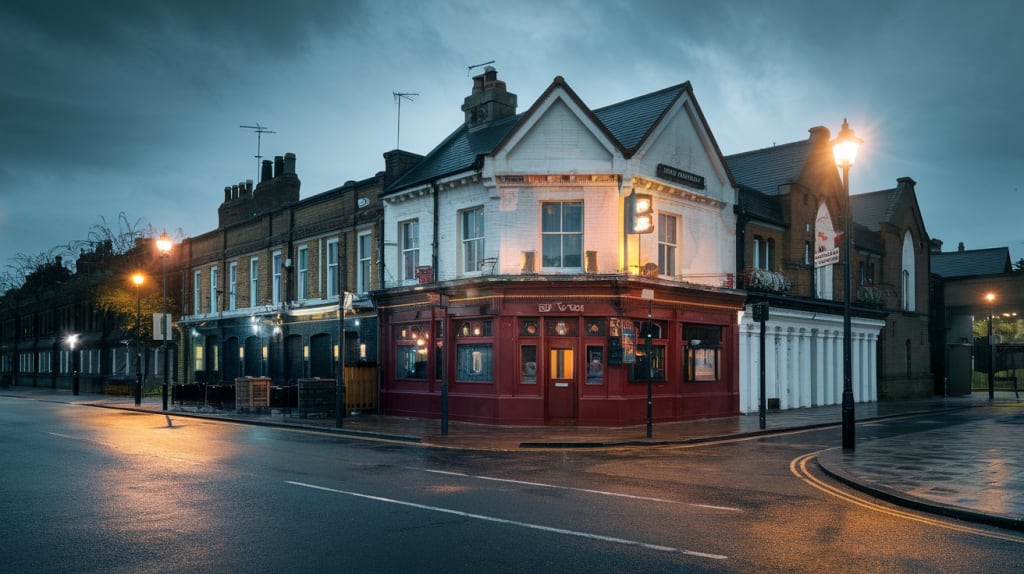
In a startling revelation that has sent shockwaves through the United Kingdom, a recent video documenting the eerie quietude of a once-thriving Midlands town on a Saturday night has sparked intense debate about the changing face of British social life. The footage, which has since gone viral, paints a bleak picture of empty streets, shuttered businesses, and a palpable absence of the vibrant nightlife that once defined many of the nation's urban centers.
The video, shot at 8 PM on a balmy August evening, showcases a town that was once a beacon of weekend revelry. The narrator, clearly taken aback by the scene before him, describes how the area used to be "rammed as far as the eye could see" with partygoers, boasting at least 15 bars and pubs, along with several nightclubs. Now, the streets lie dormant, with only a smattering of older couples and families visible in the once-bustling thoroughfare.
This stark transformation is not an isolated incident but rather a microcosm of a broader trend sweeping across the United Kingdom. From Newcastle to Southampton, similar stories are emerging of once-lively town centers now resembling ghost towns after dark. The causes of this seismic shift are multifaceted, intertwining economic, social, and technological factors that have coalesced to reshape the British nightlife landscape.
Economic pressures loom large in this narrative of decline. The rising cost of living has put a significant dent in disposable incomes, making nights out an increasingly unaffordable luxury for many. Popular chains like Revolution and TGI Fridays are reportedly closing branches, unable to weather the storm of reduced footfall and increased operational costs. The high street, once a diverse ecosystem of retail and entertainment, has been reduced to a monotonous stretch of betting shops, charity stores, and an oddly high concentration of Turkish barbershops – a far cry from the varied and vibrant commercial landscape of yesteryear.
The changing habits of younger generations have also played a crucial role in this transformation. There's a noticeable trend towards reduced alcohol consumption among millennials and Gen Z, with many opting for "dry" social activities or choosing to socialize in more intimate, home-based settings. The allure of the pub crawl or club night seems to have waned, replaced by Netflix binges and social media interactions. Even when young people do venture out, the scene is markedly different – groups huddled around smartphones rather than engaging in the boisterous socializing that once characterized British nightlife.
This shift in behavior is inextricably linked to broader social issues plaguing the UK. Many young people, faced with stagnant wages and skyrocketing housing costs, find themselves priced out of the property market. The dream of homeownership – once a cornerstone of British adult life – feels increasingly unattainable. This economic uncertainty has ripple effects on social behavior, with many young adults postponing or foregoing traditional milestones like marriage and starting a family. The result is a generation that feels disconnected from the social rituals of their parents and grandparents, including the tradition of the "big night out."
The role of technology in this transformation cannot be overstated. The rise of e-commerce giants like Amazon has decimated high street retail, removing a key draw for town center foot traffic. Similarly, streaming services like Netflix have provided a compelling alternative to cinema outings and pub nights. The convenience of having entertainment and shopping at one's fingertips has created a culture of stay-at-home leisure that stands in stark contrast to the outgoing nightlife of previous decades.
This decline in nightlife and town center activity has far-reaching implications for community cohesion and social capital. Pubs, clubs, and high streets have traditionally served as important spaces for social mixing, where people from different walks of life could interact and form bonds. Their decline represents not just an economic loss but a fraying of the social fabric that has long underpinned British society.
The response to this situation has been varied. Some voice nostalgia for a bygone era, lamenting the loss of community spirit and vibrant social scenes. Others point to the potential benefits of reduced alcohol consumption and a shift towards more health-conscious lifestyles. Many, however, express frustration with political leadership, feeling that successive governments have failed to address the root causes of this decline or to offer viable strategies for urban renewal.
As the UK grapples with this fundamental shift in its social landscape, questions abound about the future of its towns and cities. Will the trend towards quieter, more subdued urban centers continue, or will there be a resurgence of nightlife in a new form? Can town planners and policymakers find ways to reinvigorate these spaces, perhaps by reimagining them for a new era of social interaction? Or is this the beginning of a permanent change in how Britons socialize and spend their leisure time?
What is clear is that the Britain of packed pubs and raucous high streets is fading into memory. In its place, a new social paradigm is emerging – one that is quieter, more home-centric, and increasingly digital. As the nation navigates this transition, the challenge will be to find ways to maintain the sense of community and social connection that has long been a hallmark of British life, even as the physical spaces that once facilitated these connections continue to change.
About the Creator
Keep reading
More stories from Next Koding and writers in Humans and other communities.
The Silent Epidemic of Loneliness: How Japan's Youth Became the Most Isolated Generation
In a startling shift that has caught the attention of sociologists and policymakers alike, Japan's younger generation has overtaken its elderly as the country's loneliest demographic. This phenomenon, deeply rooted in the nation's rapidly changing social fabric, has sparked concerns about the future of one of the world's most technologically advanced societies.
By Next Kodingabout a year ago in Humans



Comments (2)
Very interesting article. It shows the variability of human existence and the uncertainty that the economic situation of the planet conceals. Some seem to have no respect for humanity and are pulling the strings towards its total degradation.
You touch on a topic that troubles many people and many nightlife businesses. The issue is that soon, streaming will be a luxury for many.